1 hr ago
Pentagon Creates Autonomous Warfare Command to Expand AI, Drones

The United States is creating a new military command for robots, drones, and artificial intelligence.
Defense Secretary Pete Hegseth announced the plan in Quantico, Virginia.
The command will be led by a four-star officer.
Officials say modern wars are changing very quickly.
They also say cheaper machines could work alongside expensive weapons.
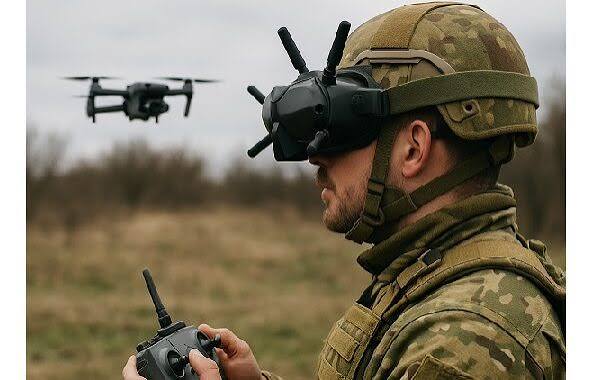
The war in Ukraine has shown how useful drones can be for watching and attacking targets.
Drones can also reduce risks to pilots and aircrews.
Experts worry that military AI could create new dangers if countries develop it without safeguards.
The United States and China are major forces in advanced AI development, and experts have called for guardrails.

Defense Secretary Pete Hegseth announced a new Autonomous Warfare Command dedicated to autonomous and robotic military capabilities.
The command will be led by a four-star officer and support systems such as drones and artificial intelligence across the US military.
Hegseth said warfare is changing faster than military support processes and that the United States needs both quality and quantity.
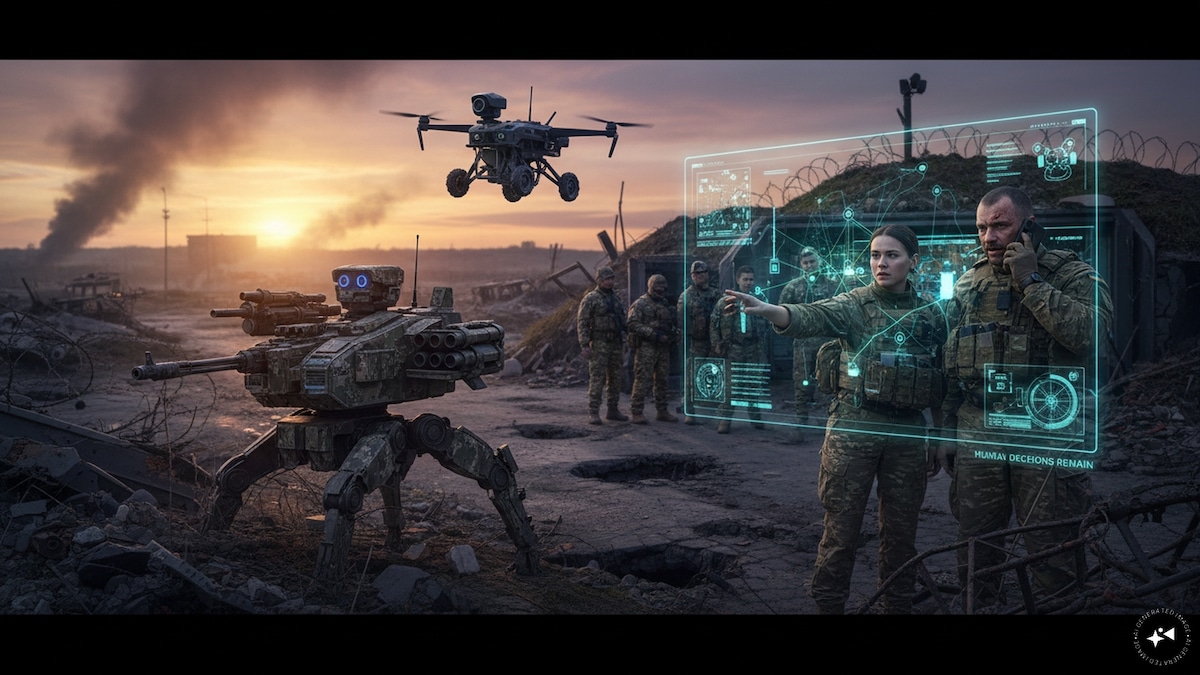
The Pentagon is seeking cheaper, AI-driven systems as an alternative or complement to expensive conventional weapons platforms.
The war in Ukraine has increasingly become a drone conflict, while experts warn that unchecked military AI development could increase global security risks.
- Who
- US Defense Secretary Pete Hegseth announced the creation of a new command for the US military.
- What
- The Autonomous Warfare Command will develop and provide autonomous and robotic capabilities, including drones and AI systems.
- Where
- Hegseth announced it at Quantico, Virginia.
- When
- The announcement was made Wednesday, September 30; the articles do not specify the year.
- Why
- The Pentagon says warfare is changing rapidly and is seeking cheaper, high-precision autonomous systems, while the war in Ukraine has demonstrated the growing importance of drones.
AI Risk Concerns
Military Modernization Case
Use of artificial intelligence in warfare
AI Risk Concerns
Experts warn that unchecked AI development and technology competition could heighten global security risks, and have called for safeguards and consensus-building, including for military and nuclear systems.
Military Modernization Case
The Pentagon says rapidly changing warfare requires faster development of autonomous and robotic systems, supported by cheaper computing and advanced commercial manufacturing.
Cost and scale of military systems
AI Risk Concerns
Critics of accelerated AI development emphasize the dangers of expanding military technology without adequate guardrails.
Military Modernization Case
Hegseth argues that the United States needs both quality and quantity, and that lower-cost, high-precision systems can complement or replace some costly conventional platforms.
Key facts
- Command name
- Autonomous Warfare Command, referred to as “Autowarcom” in the headline
- Announced by
- US Defense Secretary Pete Hegseth
- Leadership
- The command will be led by a four-star officer
- Primary focus
- Building and providing autonomous and robotic capabilities across the US military
- Current combatant commands
- The US military currently has 11 combatant commands
- Recent precedent
- The last new combatant command was US Space Command, created in 2019
- Ukraine conflict
- Drones are estimated to account for about 70% of Russian casualties, according to the report
Quotes

Pete Hegseth
US defense secretary who announced the new military command
“Cheap compute, superintelligence, and advanced commercial manufacturing have enabled the proliferation of low-cost, high-precision strike.”
 theprint.in
“The pace of war is changing faster than the process to support it.”
theprint.in
Sources
Related news

Hegseth Announces 20% Cut to U.S. Generals and Admirals

How Ukraine Is Shaping Russia’s Next Generation Weapons
Endless Wars Reshape Battlefields Through Drones, Missiles and Technology
AI, Robotics and the Human Future of Warfare

Ukraine's ground robots take dangerous frontline jobs from soldiers
Taiwan Holds First Joint Attack-Drone Combat Exercise During Modernization Push
U.S. Orbital Weapons Acknowledgment Marks Landmark Space Militarization Moment
US and China Expand Military Space Capabilities as Tensions Rise

India's LVM3 M5 Upper Stage Re-enters Atmosphere over Atlantic Ocean

Tracking Space Debris Using Earthquake Sensors