2 days ago
India’s Medical Device Sector Eyes $50 Billion Amid Funding Gaps
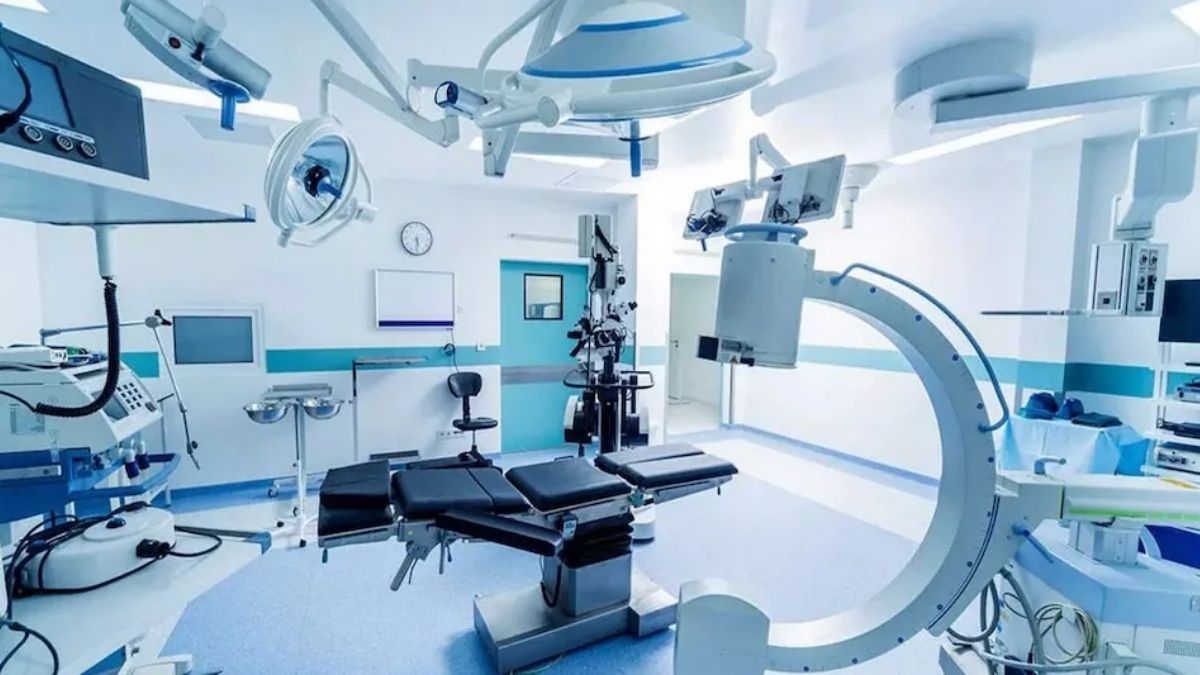
India’s medical-device industry makes products such as equipment used by doctors and hospitals.
The industry is growing quickly and could become worth $50 billion by FY30.
However, many Indian companies struggle to get enough money to build and sell new devices.
They also face difficult regulations, expensive financing and limited infrastructure.
Foreign companies still control most of the specialised and high-end market.
Making a new device can take 5 to 15 years and cost a very large amount of money.
The study said smaller companies may remain unprofitable while developing products.
It suggested government guarantees, grants, tax benefits and shared testing facilities.
It also recommended releasing funding when companies reach milestones such as prototypes, clinical trials and approvals.

The Department of Pharmaceuticals expects India’s medical-device market to grow from $12 billion in FY24 to $50 billion by FY30.
Imports account for around 60% of domestic medical-device consumption, while multinational companies hold 80-90% of the specialised and high-end market.
Domestic manufacturers face funding shortages, regulatory hurdles, inadequate infrastructure, supply-chain problems, high financing costs and limited R&D spending.
Developing an innovative medical device can take 5-15 years and cost between $100 million and $1 billion.
The study recommended milestone-based funding, government guarantees, subsidies, tax incentives, grants, medical-device parks and faster regulatory clearances.
- Who
- The Department of Pharmaceuticals, Indian medical-device manufacturers, multinational companies, investors and government organisations.
- What
- A Department of Pharmaceuticals study identified funding and regulatory barriers facing India’s medical-device sector despite its projected growth to $50 billion by FY30.
- Where
- India.
- When
- The market was estimated at $12 billion in FY24 and is projected to reach $50 billion by FY30.
- Why
- Companies need substantial capital and time to develop, manufacture, approve and market medical devices, while imports and multinational manufacturers continue to dominate parts of the market.
Government Support and Sector Growth
Industry Funding and Regulatory Constraints
Future growth
Government Support and Sector Growth
The Department of Pharmaceuticals expects the market to grow from $12 billion in FY24 to $50 billion by FY30 at an annual growth rate of about 15%.
Industry Funding and Regulatory Constraints
The sector’s growth increases the urgency of closing funding and infrastructure gaps that limit domestic companies.
Reducing investment risk
Government Support and Sector Growth
The study recommended government guarantees, assured purchases, subsidies, tax incentives, grants, blended finance, medical-device parks and shared testing facilities.
Industry Funding and Regulatory Constraints
Manufacturers said they face difficulty raising start-up capital, funding capital expenditure, developing products, obtaining approvals and selling to hospitals and physicians.
Domestic manufacturing
Government Support and Sector Growth
Government investment in land, infrastructure and some machinery could help companies establish manufacturing units and scientific facilities.
Industry Funding and Regulatory Constraints
Imports still make up around 60% of domestic consumption, while multinational companies retain 80-90% of the specialised and high-end market.
Key facts
- Market size in FY24
- Estimated at $12 billion.
- Projected market size by FY30
- $50 billion.
- Annual growth rate
- About 15%.
- Import dependence
- Imports account for around 60% of domestic consumption.
- Multinational market share
- Around 80-90% of the specialised and high-end medical-device market.
- Innovation timeline
- Developing an innovative device can take 5-15 years.
- Innovation cost
- Estimated at $100 million to $1 billion.
- Study coverage
- 23 manufacturers, 10 promoters, two incubators and three venture-capital firms.
Quotes

Department of Pharmaceuticals study
A study by India’s Department of Pharmaceuticals examining medical-device manufacturers and financing challenges.
“The prospects for these companies are uncertain given the challenges of securing enough start-up funding, developing the new medical device itself, figuring out how to manufacture the device in a cost-effective manner, obtaining the necessary regulatory approvals, and marketing the device to providers such as hospitals and physicians.”
 financialexpress.com
“The real trouble the medical device manufacturers face is the capital expenditure. In order to set up a manufacturing unit, they need to invest huge capital. For addressing this issue, the Government can invest on the land, infrastructure and to an extent on machinery for scientific facilities.”
financialexpress.com
Sources
Related news

PM Modi Highlights India's Growing Self-Reliant Med-Tech Ecosystem

India's MedTech test: Can healthcare self-reliance move beyond medicines?

India Must Move Beyond Assembly to Become Global Medtech Hub

India Health 2026 Highlights India’s Growing Medtech Manufacturing Base

India's AI MedTech report flags three barriers to scale

Medical device groups seek separate regulatory authority in India

Falling Urea Prices Offer India Relief From Subsidy Pressure

Parliament Panel To Examine Fertiliser, Wood Panels And Medicines

India Expands Digital Fertilizer Tracking for Subsidy Oversight

Centre Invites Applications for ₹5,000 Crore Pharma Innovation Scheme