

2 weeks ago
India's MedTech test: Can healthcare self-reliance move beyond medicines?

India is very good at making medicines and vaccines for the whole world.
But the machines that hospitals use, like scanners and monitors, are mostly brought from other countries.
In fact, about six out of ten medical devices used in India come from outside the country.
A few years ago, India bought far more devices than it sold to other countries.
Now India wants to learn how to make these machines at home too.
The government is helping with special programs that support companies building things like MRI machines and X-ray equipment.
Some Indian companies have already started making these big machines.
Experts think this is a good first step, but there is still a lot of work to do.
They also say India should keep working with the rest of the world instead of building everything alone.
If India succeeds, it could one day sell the world the machines that help doctors keep people healthy.

Imports account for around 60% of India's domestic medical-device consumption, with imports worth Rs 1.37 lakh crore in 2024-25 compared with exports of Rs 42,360 crore.
Industry and healthcare experts say India's self-reliance is expanding from medicines and vaccines into medical devices, diagnostics and technology, but the transition is still at an early stage.
Under the government's medical-device PLI scheme, production has started for high-end products including MRI and CT machines, mammography systems, linear accelerators, ultrasound equipment and C-arm X-ray machines.
Medical-device exports rose from $2.9 billion in FY2021-22 to $4.1 billion in FY2024-25, according to government data.
Experts say the real test is global competitiveness, not import substitution, and that self-reliance should not mean cutting India off from global technology.
- Who
- Prime Minister Narendra Modi, industry experts including Dr Sudhir Srivastava of SS Innovations International, investor Mayur Sirdesai of Somerset Indus Capital Partners, and Pooja Ravindra Rokde of Star Bio Pharma Global Pvt. Ltd.
- What
- Analysis of whether India's healthcare self-reliance is expanding beyond medicines and vaccines to designing and manufacturing medical devices, diagnostics and technologies.
- Where
- India.
- When
- Reported following Prime Minister Narendra Modi's Independence Day address on Saturday, which highlighted indigenous technology and manufacturing.
- Why
- Because India still depends on imports for around 60% of its domestic medical-device consumption, prompting a push to build domestic manufacturing capability and global competitiveness.
Self-reliance through import substitution
Self-reliance through global competitiveness
Goal of the medtech push
Self-reliance through import substitution
Emphasis on reducing import dependence by manufacturing critical medical technologies domestically, with initiatives like the PLI scheme and Medical Device Parks.
Self-reliance through global competitiveness
Experts argue the real test is not import substitution but building globally competitive companies and technologies; self-reliance should not mean technological isolation from global markets.
Key facts
- Import share of medical devices
- Around 60% of India's domestic medical-device consumption
- Medical-device imports (2024-25)
- Rs 1.37 lakh crore
- Medical-device exports (2024-25)
- Rs 42,360 crore
- Medical-device export growth
- $2.9 billion (FY2021-22) to $4.1 billion (FY2024-25)
- High-end products under PLI scheme
- MRI, CT machines, mammography systems, linear accelerators, ultrasound equipment, C-arm X-ray machines
- Government initiatives
- PLI scheme, Medical Device Parks, Scheme for Strengthening of Medical Device Industry
- National backdrop
- India's ambition to become a developed nation by 2047 with push in semiconductors and AI
Quotes
Dr Sudhir Srivastava
Founder, Chairman and CEO of SS Innovations International
“Policy support through initiatives such as the PLI scheme, Medical Device Parks and research‑led programmes can create the foundation, but the real opportunity is to translate this into businesses that can achieve scale, generate sustainable returns and compete in global markets.”
 firstpost.com
“The objective should not be to shut India off from global technology. It should be to build enough domestic capability to innovate, manufacture and improve critical technologies while remaining globally connected.”
firstpost.com
Sources
Related news

PM Modi Highlights India's Growing Self-Reliant Med-Tech Ecosystem

India Must Move Beyond Assembly to Become Global Medtech Hub
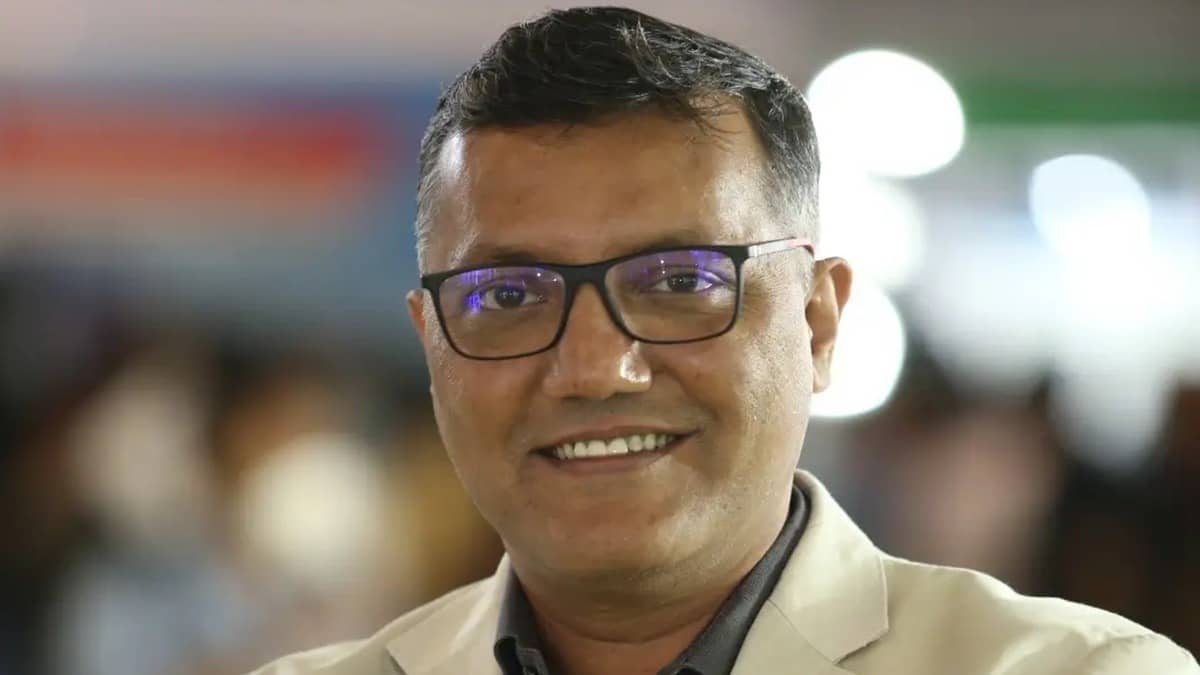
India Health 2026 Highlights India’s Growing Medtech Manufacturing Base
India's AI MedTech report flags three barriers to scale
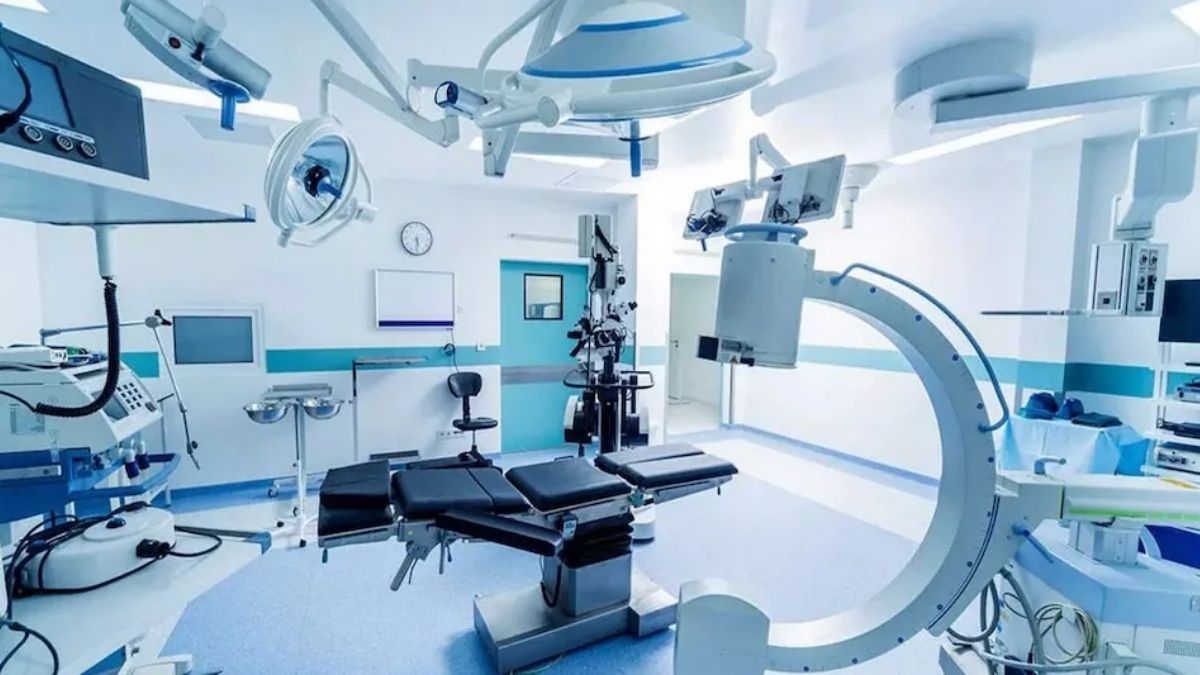
India’s Medical Device Sector Eyes $50 Billion Amid Funding Gaps

Government Defends 7.8% GDP Growth as Congress Raises Doubts
BRICS Expansion Puts Membership and Reform at New Delhi Summit

Piyush Goyal Defends India’s 7.8% GDP Growth Amid Criticism

Mahua Moitra Questions India’s 7.8% GDP Growth Figures
Goyal Defends India’s 7.8% GDP Growth Amid Data Debate
