1 hr ago
BRICS Condemns Unilateral Tariffs and Calls for WTO Reform
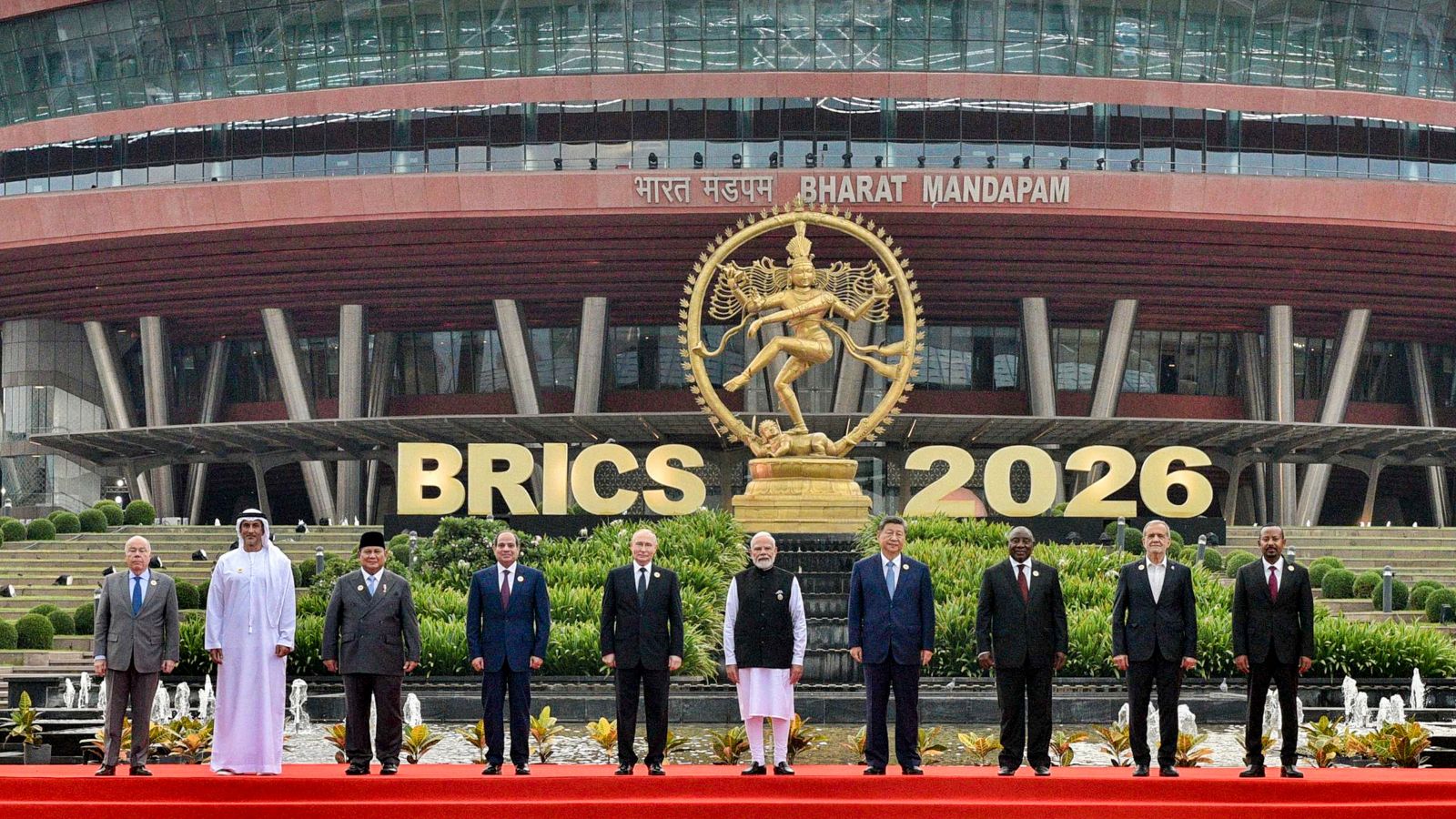
BRICS countries agreed on a statement about how countries should trade with one another.
They said one country should not suddenly raise tariffs or create other trade barriers on its own.
BRICS said these actions can hurt global trade, supply chains, and poorer countries.
The group also criticized economic sanctions that it says can harm ordinary people.
It wants the World Trade Organization, or WTO, to be stronger and fairer.
BRICS supports special help for developing countries in global trade rules.
The group also wants the WTO’s system for settling trade disagreements to work again.
Members backed Ethiopia and Iran joining the WTO and noted China’s tariff policy for 53 African countries.

BRICS members adopted The New Delhi Declaration 2026 despite divisions over the war in West Asia.
The declaration condemned unilateral tariffs, non-tariff measures, and sanctions that BRICS says violate WTO rules and harm developing economies.
BRICS called for WTO reform that preserves non-discriminatory, transparent, inclusive, and rules-based trade.
The members urged the immediate restoration of the WTO’s two-tier dispute-settlement system and Appellate Body.
BRICS supported Ethiopia’s and Iran’s WTO accession bids and acknowledged China’s expanded zero-tariff treatment for 53 African countries.
- Who
- BRICS member countries, including the governments supporting The New Delhi Declaration 2026.
- What
- They unanimously adopted a declaration condemning unilateral tariffs and sanctions while calling for WTO reform and restoration of its dispute-settlement system.
- Where
- At a BRICS meeting associated with the New Delhi Declaration 2026.
- When
- Saturday, during the adoption of The New Delhi Declaration 2026.
- Why
- BRICS said unilateral trade restrictions and sanctions distort trade, harm developing economies, disrupt supply chains, and weaken the rules-based trading system.
BRICS Position
United States and Some Developed-Country Approaches
Unilateral tariffs and trade barriers
BRICS Position
BRICS says unilateral tariffs, non-tariff measures, and protectionism distort trade, violate WTO rules, and threaten global supply chains.
United States and Some Developed-Country Approaches
The United States has used tariffs under various trade provisions to limit exports, while the European Union has imposed carbon tariffs on carbon-intensive products.
WTO reform
BRICS Position
BRICS wants reform that preserves non-discrimination, Special and Differential Treatment, consensus-based multilateralism, and policy space for developing economies.
United States and Some Developed-Country Approaches
The United States is pushing changes including reconsideration of the Most-Favoured-Nation principle and incorporating plurilateral agreements into the WTO framework.
Trade dispute settlement
BRICS Position
BRICS supports immediately restoring the WTO’s two-tier binding dispute-settlement mechanism and appointing new Appellate Body members.
United States and Some Developed-Country Approaches
Some developed nations have proposed alternatives to litigation as part of reforming the WTO Dispute Settlement Body.
Key facts
- Declaration
- The New Delhi Declaration 2026
- Trade measures criticized
- Unilateral tariffs, non-tariff measures, and protectionism presented as environmental policy
- Sanctions position
- BRICS condemned unilateral economic and secondary sanctions as contrary to international law
- WTO principles supported
- Most-Favoured-Nation Treatment and Special and Differential Treatment for developing members
- Dispute settlement
- BRICS called for immediate restoration of an accessible, effective, fully functioning, two-tier binding mechanism
- WTO accession
- BRICS supported Ethiopia’s and Iran’s bids to join the WTO
- China tariff policy
- China expanded zero-tariff treatment to 53 African countries with which it has diplomatic ties
Quotes
New Delhi Declaration 2026
Declaration adopted by BRICS members at their 2026 meeting
“We voice serious concerns about the rise of unilateral tariff and non-tariff measures which distort trade and are inconsistent with the World Trade Organisation’s (WTO) rules.”
 indianexpress.com
“We will ensure the implementation of the MC14 outcomes and continue to engage constructively towards the resolution of outstanding issues.”
indianexpress.com
Sources
Related news

BRICS Adopts Delhi Declaration Criticizing Unilateral Tariffs

BRICS Adopts New Delhi Declaration, Rejects Tariffs and Sanctions
BRICS Declaration Rejects Tariffs, Condemns Terrorism, Addresses West Asia
BRICS New Delhi Declaration Urges Dialogue and Multilateralism
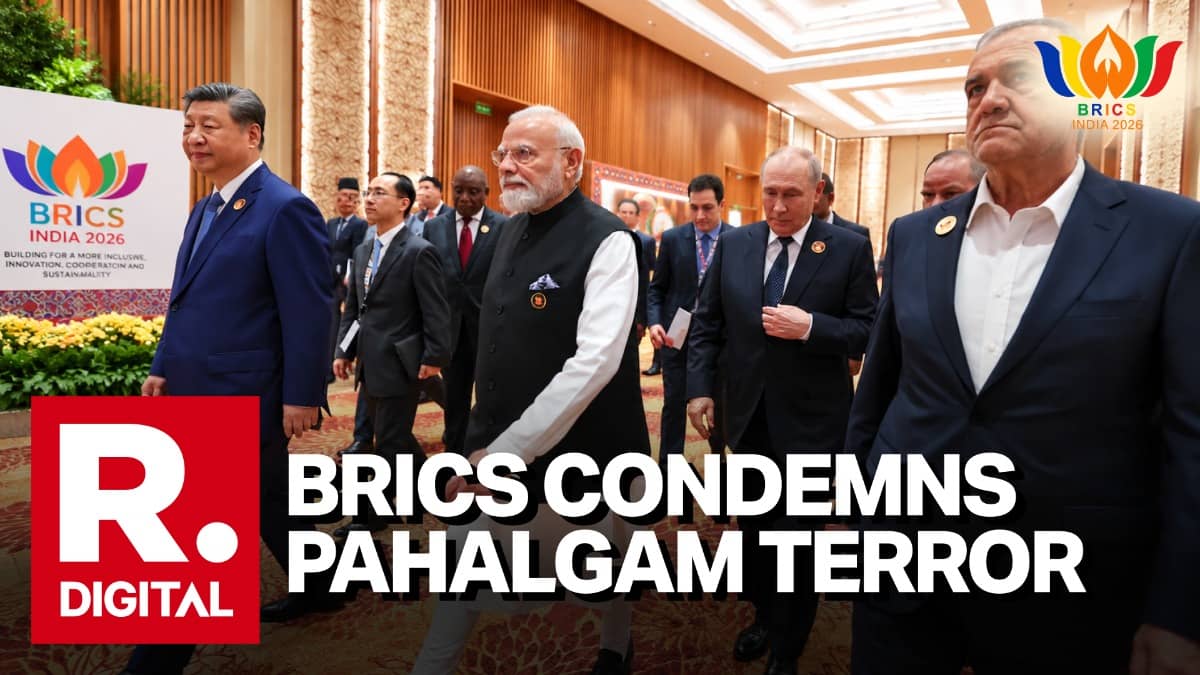
BRICS Declaration Backs India’s UN Role, Condemns Kashmir Attack, Tariffs

BRICS Summit Adopts New Delhi Declaration After Overnight Consensus
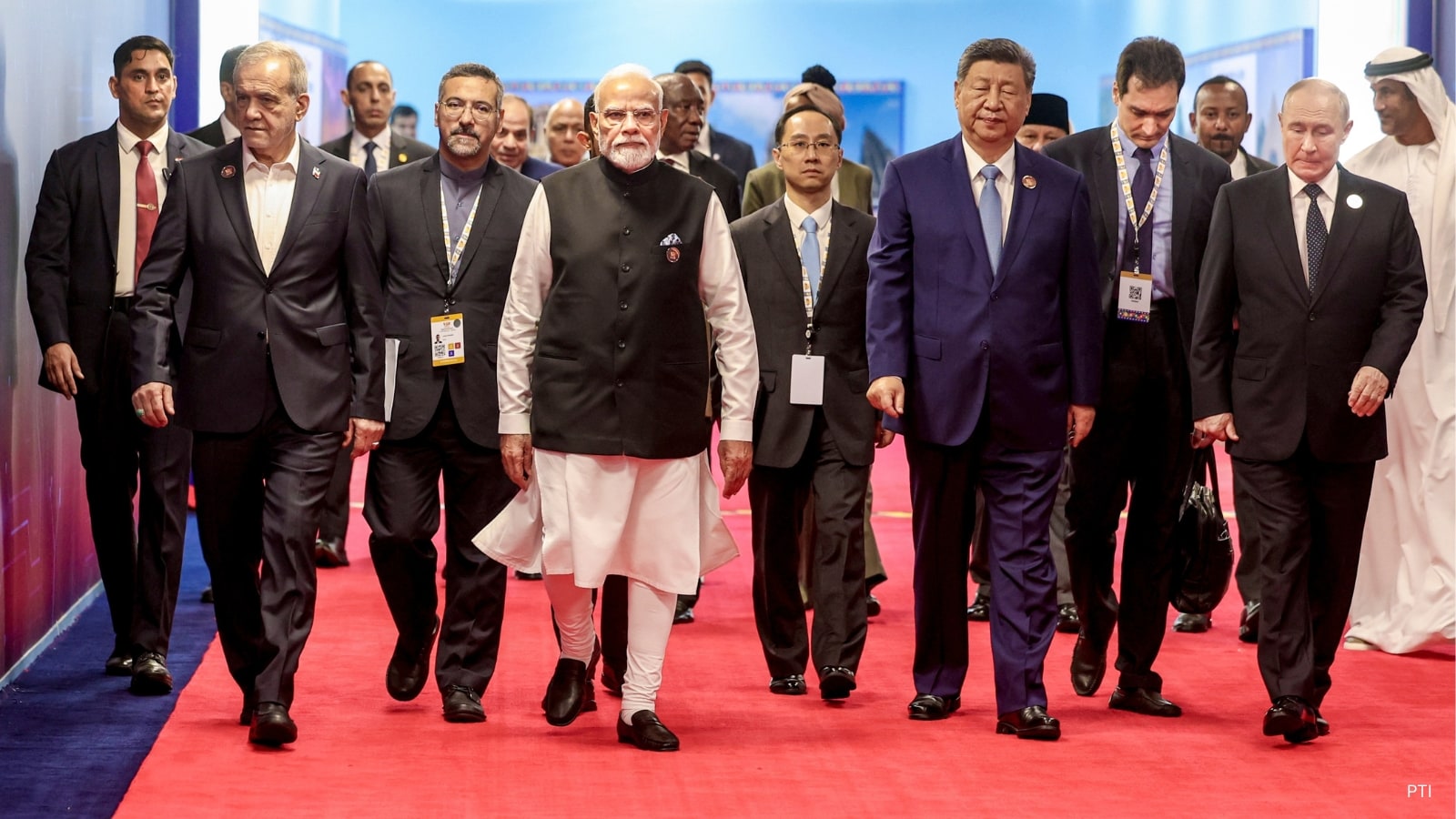
India Uses BRICS Presidency to Deepen, Preserve, Stabilise Ties
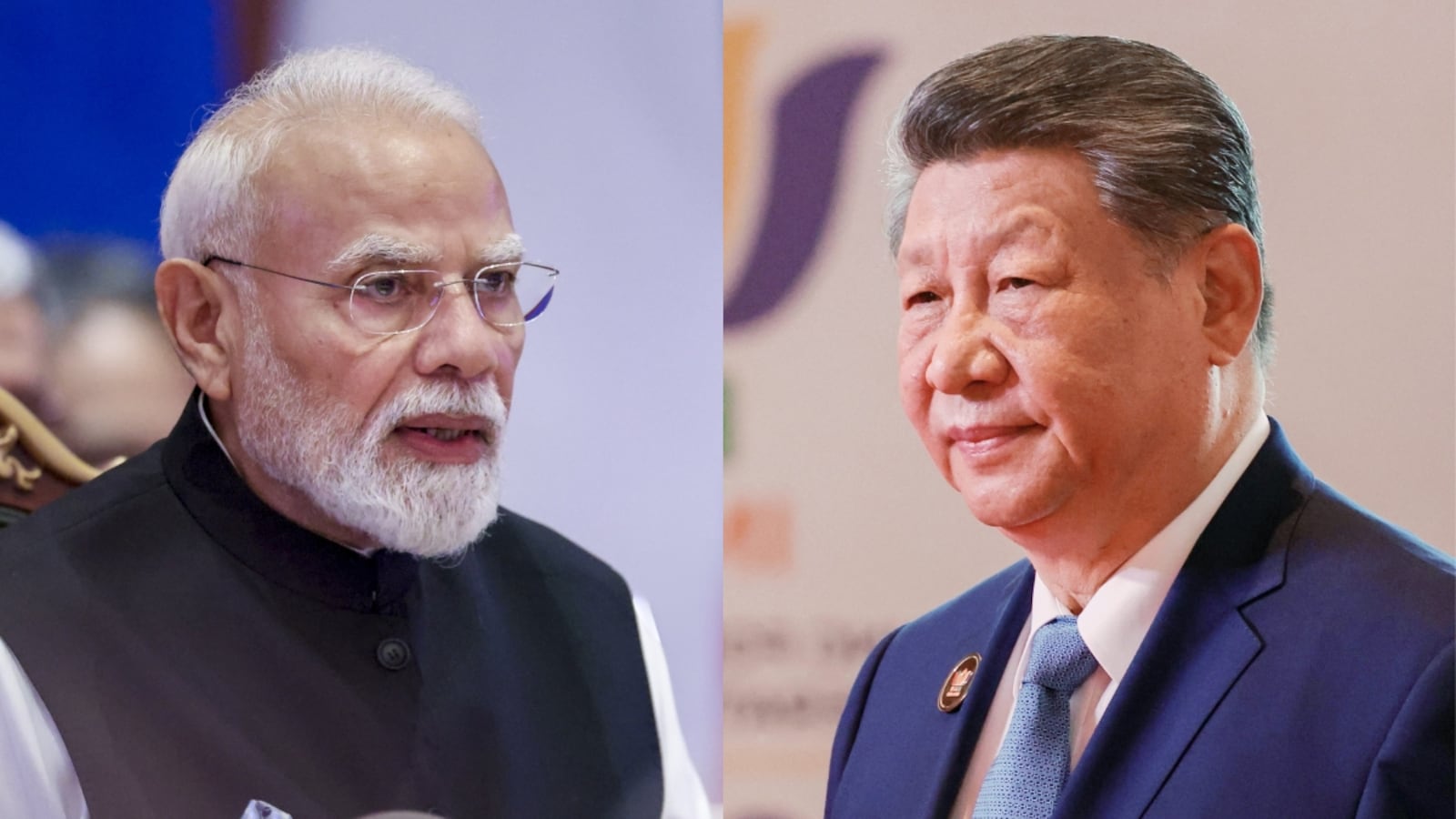
Xi and Modi Discuss Border, Trade and India-China Ties
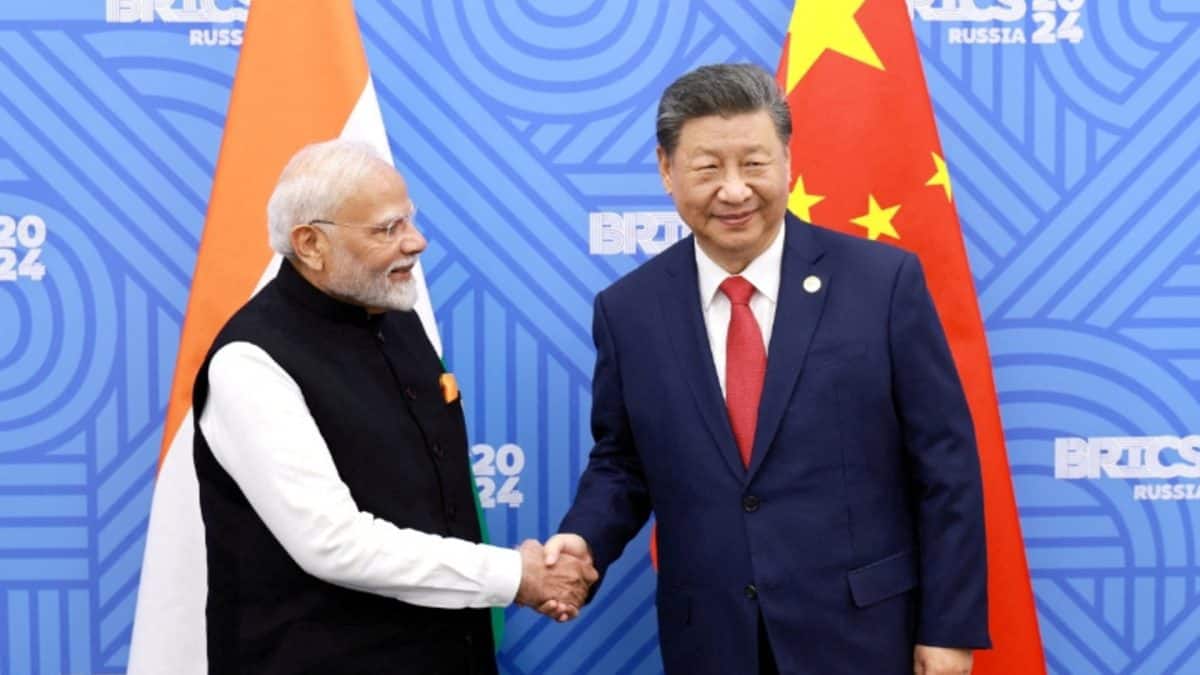
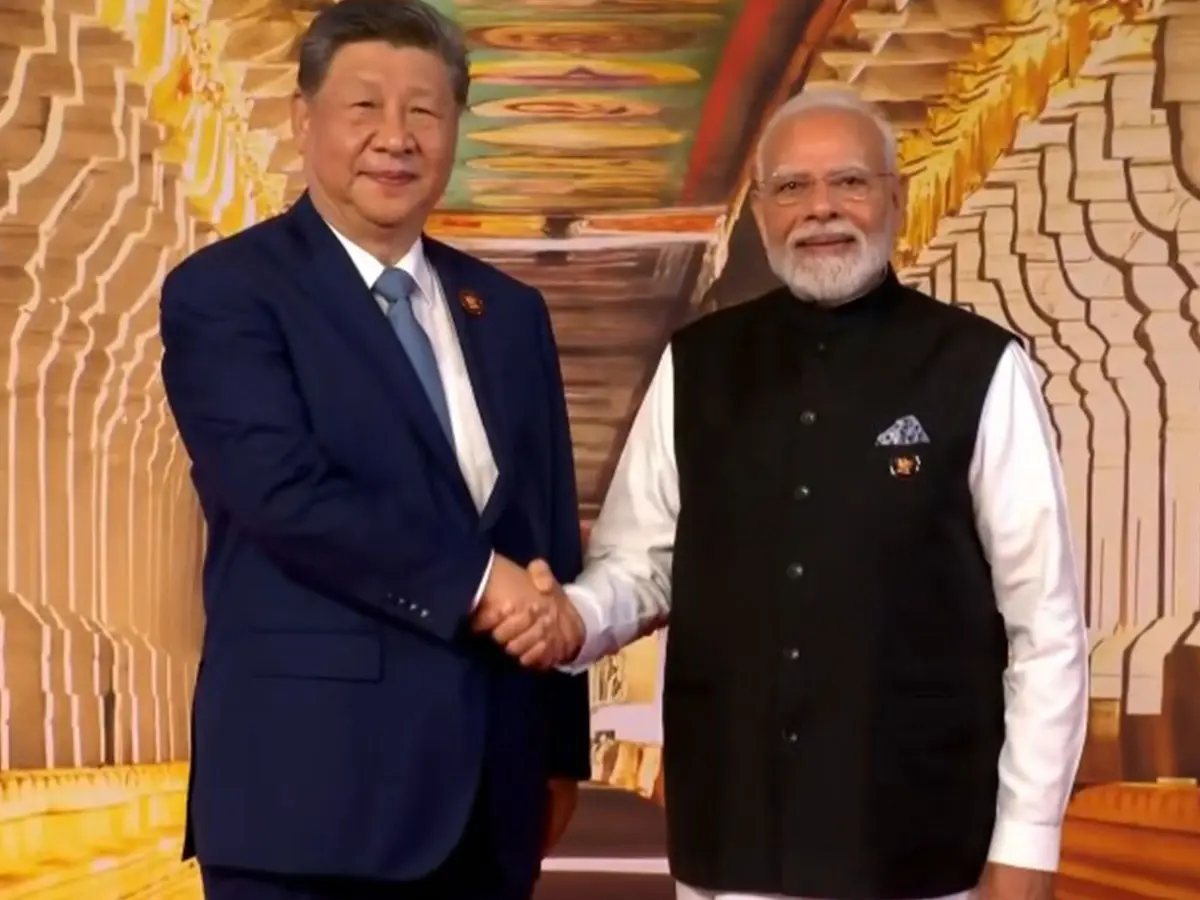
Modi, Xi Hold Bilateral Talks During India-Hosted BRICS Summit
Nepal Flood Disaster Leaves 5,000 Missing After Two Weeks
Modi, Xi Hold First Bilateral Talks in India Since 2019