

1 hr ago
Oil Prices Ease but Remain Above $100 Amid G7 Reserve Plans
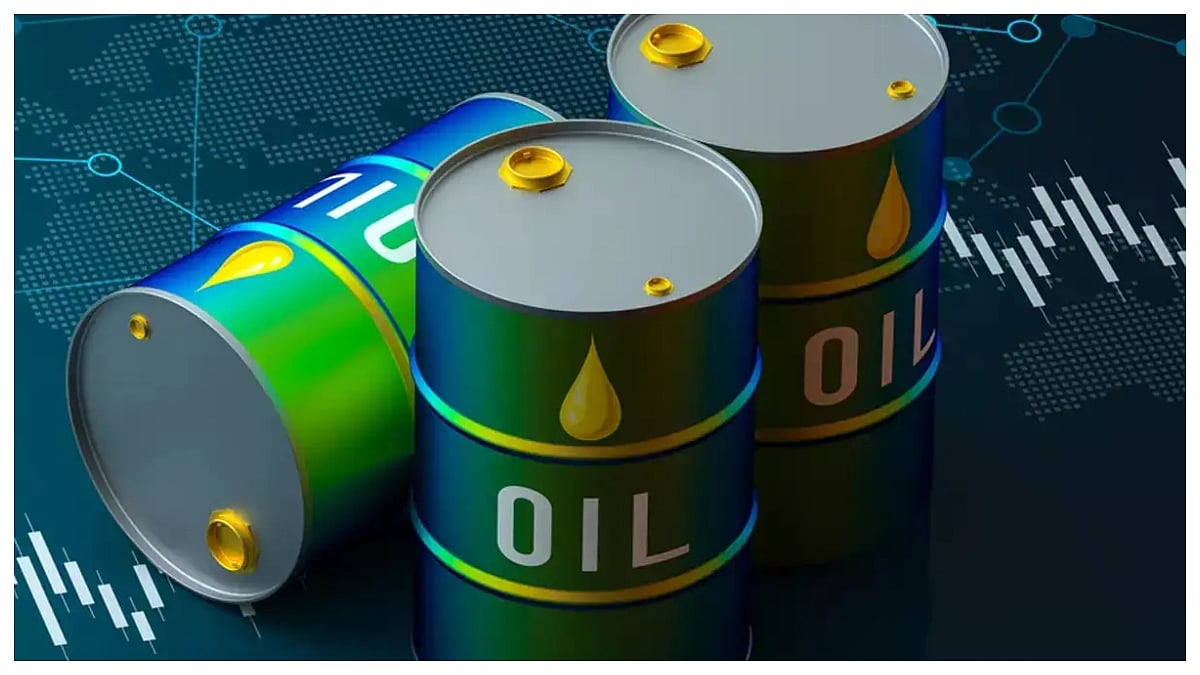
Oil prices went down a little on Monday, but a barrel of Brent oil still cost more than $100.
Countries in the G7 are expected to release oil and diesel from their reserves over four months.
This could add more fuel to the market.
More oil exports from the Middle East have also helped ease some worries about shortages.
However, concerns remain about the US-Iran conflict and possible disruptions to oil shipments.
Iran says the Strait of Hormuz will stay closed until the United States accepts its demands.
President Donald Trump has said the US has “total control” of the waterway.
Experts say prices may fall for a longer time only if tensions improve and peace talks make progress.

Brent crude fell 0.52% to $101.70 a barrel on Monday, while US West Texas Intermediate dropped 0.92% to $90.27.
G7 countries are expected to release about 100 million barrels of oil and diesel reserves over four months.
Higher Middle East exports and the planned reserve release have partly eased concerns about supply disruptions.
Experts said a sustained fall in prices would require improved geopolitical conditions and progress toward peace talks.
Iranian officials said the Strait of Hormuz would remain closed until the United States accepted Tehran’s demands; President Donald Trump said the US had “total control” of the waterway.
- Who
- G7 countries, the United States, Iran, and oil market investors.
- What
- Oil prices fell but remained above $100 for Brent crude as reserve-release plans and Middle East exports partly eased supply concerns.
- Where
- Oil markets and the Gulf region, including the Strait of Hormuz.
- When
- Monday; the expected G7 reserve release is planned over four months.
- Why
- Investors were monitoring the US-Iran conflict and possible supply disruptions, while higher exports and planned reserve releases eased some concerns.
Iran's stated position
US position
Control and reopening of the Strait of Hormuz
Iran's stated position
Iranian Parliament Speaker Mohammad Bagher Ghalibaf said the strait would remain closed until the United States accepted Iran's seven demands.
US position
President Donald Trump said the United States already had “total control” of the waterway and rejected the plan described in the article.
Response to the conflict
Iran's stated position
Iran has said it does not want to start a war but could escalate the situation if forced to do so.
US position
The article says Trump had not indicated whether Washington would pursue military action or negotiations with Iran.
Key facts
- Brent crude
- Down 0.52% to $101.70 a barrel on Monday.
- West Texas Intermediate
- Down 0.92% to $90.27 a barrel on Monday.
- Planned reserve release
- G7 countries are expected to release about 100 million barrels of oil and diesel reserves.
- Release period
- The planned release is expected to take place over four months.
- Factors easing supply concerns
- Higher Middle East exports and the planned release of strategic reserves.
- Iran's position on Hormuz
- Mohammad Bagher Ghalibaf said the Strait of Hormuz would remain closed until the United States accepted Iran's seven demands.
- US position on Hormuz
- Donald Trump said the United States already had “total control” of the waterway.
Sources
Related news

Oil prices jump as US-Iran truce talks cloud supply outlook

G7 Agrees to Release 100 Million Barrels Amid Diesel Price Surge

G7 Plans Oil Reserve Release as Hormuz Tankers Are Hit
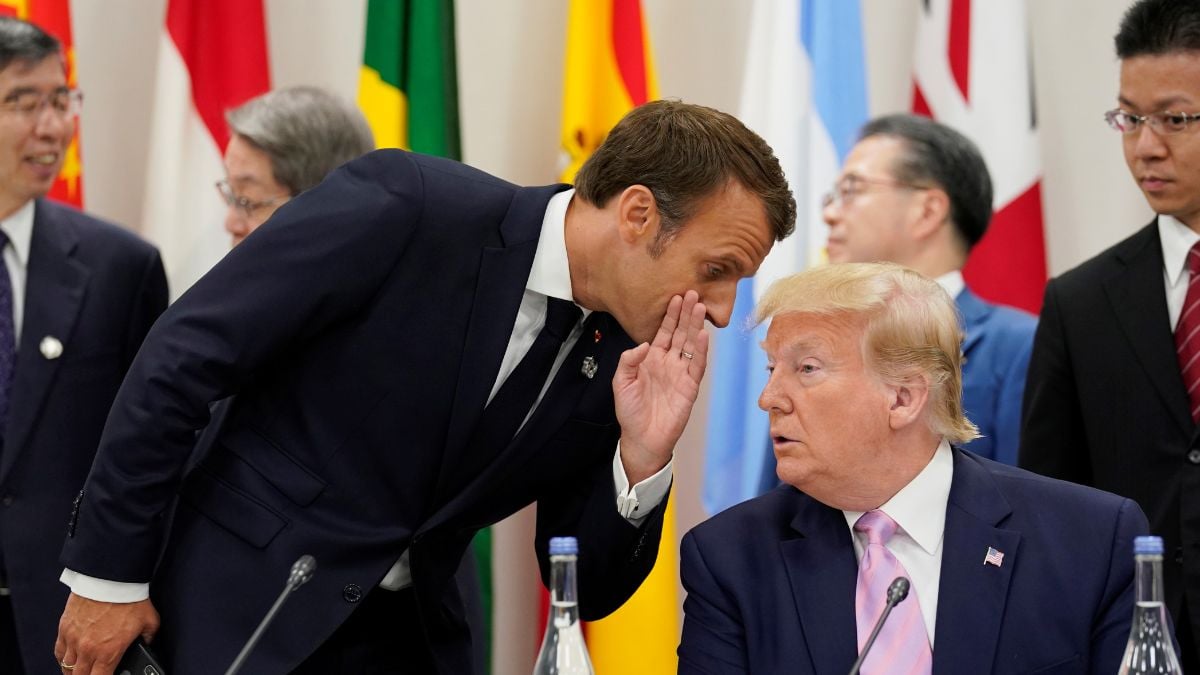
G7 Plans 100 Million-Barrel Fuel Release Amid Energy Crisis
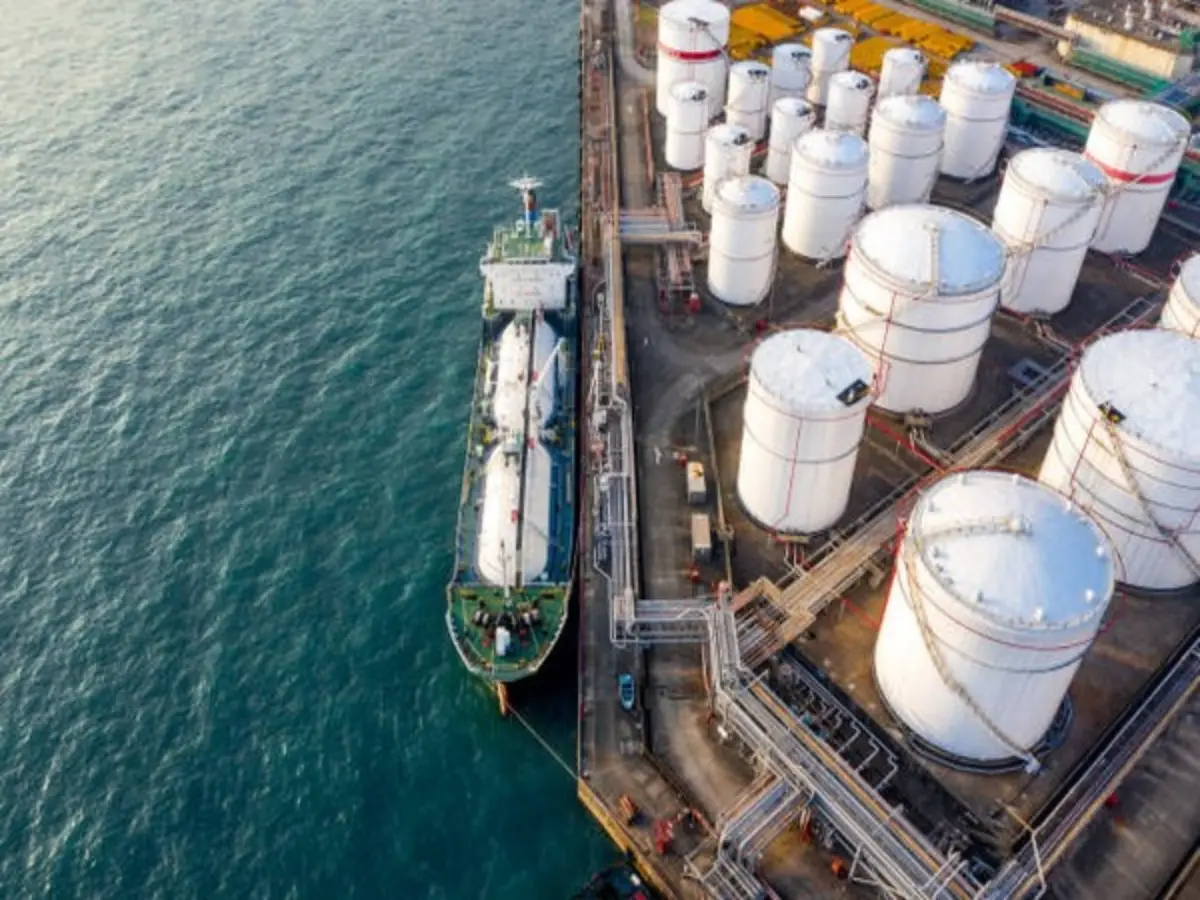
G7 Agrees to Release 100 Million Barrels After Trump Threat
Brent Surges Above $100 as US-Iran Fighting Threatens Oil Supplies
Global Trade Outpaces Forecasts Despite Tariffs and Systemic Strains
Iran Reviews US Response to Seven-Day Plan for Ceasefire

Sensex and Nifty Open Higher as Oil Prices Ease

Gift Nifty Signals Cautious Relief Rally for Indian Markets
