4 days ago
Himalayan Disasters Driven by Climate Change and Human Failures

The Himalayas are experiencing more dangerous floods, landslides and heavy rain.
Climate change is making glaciers melt faster and changing when and where rain falls.
In some high places, rain is replacing snow, which can make loose material on slopes unstable.
Small glaciers and streams can send water, rocks and mud into narrow valleys.
People are also building homes and infrastructure in places that may be unsafe.
Some laws are meant to stop construction near rivers, but researchers say they are not enforced well.
This means disasters happen when a natural danger meets people and buildings in vulnerable locations.
The researchers say climate change is important, but it is not the only cause of the damage.
They want authorities to identify risky areas and control construction more effectively.

Scientists say climate change is intensifying floods, landslides and extreme rainfall across the Hindu Kush-Himalayas.
Glacier melt, unstable glacial lakes and more high-altitude rain are increasing landslide and debris-flow risks.
Many destructive floods begin in small glaciers or rain-fed streams, rather than major rivers.
Population growth and construction on unstable slopes and floodplains are increasing human vulnerability.
Researchers say better risk mapping, construction regulation and enforcement of existing laws are needed.
- Who
- Scientists YP Sundriyal, SP Sati and retired ISRO scientist Naveen Juyal, along with other researchers, examined the region's disaster risks.
- What
- The research finds that climate change, human encroachment and regulatory failures are increasing vulnerability to Himalayan disasters.
- Where
- The Hindu Kush-Himalaya region, including Uttarakhand, Ladakh, Sikkim, Himachal Pradesh and Jammu and Kashmir.
- When
- Extreme weather events have increased during the summer monsoon, with devastating floods in the north-western Himalayas increasing since 2010; the research also cites disasters from 2013 through 2025.
- Why
- Rapid glacier melt and changing rainfall are increasing hazards, while population growth, commercial activity and weak enforcement place more people and infrastructure in dangerous areas.
Climate-First View
Multifactor View
Main cause of rising disasters
Climate-First View
Climate change is intensifying floods, landslides, glacial melting and extreme rainfall across the Himalayas.
Multifactor View
Climate change is a major factor, but disasters also become severe when people and infrastructure occupy vulnerable areas.
How disasters should be explained
Climate-First View
Increasingly extreme weather and rapidly changing glaciers point to climate change as the central explanation.
Multifactor View
Blaming every disaster solely on climate change can divert attention from unsafe construction, population growth and unregulated commercial activity.
Policy response
Climate-First View
The growing climate threat requires attention to changing rainfall, glacier melt and unstable glacial lakes.
Multifactor View
Authorities must also map high-risk zones, regulate construction near slopes and floodplains, and enforce laws such as Uttarakhand's 100-meter restriction.
Key facts
- Region
- Hindu Kush-Himalayas
- Weather trend
- The frequency and intensity of summer-monsoon extreme weather events are increasing.
- Since 2010
- The relatively dry north-western Himalayas have experienced more devastating flood events.
- Main natural risks
- Rapid glacier melt, unstable glacial lakes and changing rainfall patterns.
- Flood sources
- Many devastating floods originate from small glaciers or rain-fed streams.
- Uttarakhand law
- The Flood Plain Zoning Act of 2012 prohibits construction within 100 meters of a river's centerline.
- Researchers' recommendation
- Identify high-risk zones, regulate construction and enforce existing laws.
Quotes
The researchers
Scientists whose research examines disaster risks and vulnerability in the Hindu Kush-Himalayas
“A disaster occurs only when hazard and vulnerability intersect.”
 rediff.com
Sources
Related news

Extreme Himalayan rainfall driven by climate change, human factors: Govt
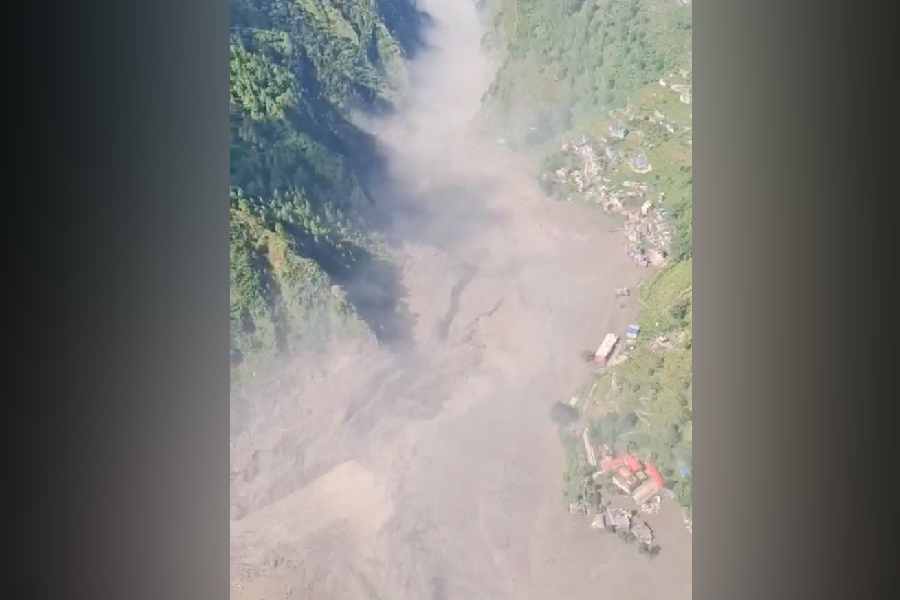
Himalayan Disasters Kill, Displace Thousands Amid Floods and Landslides
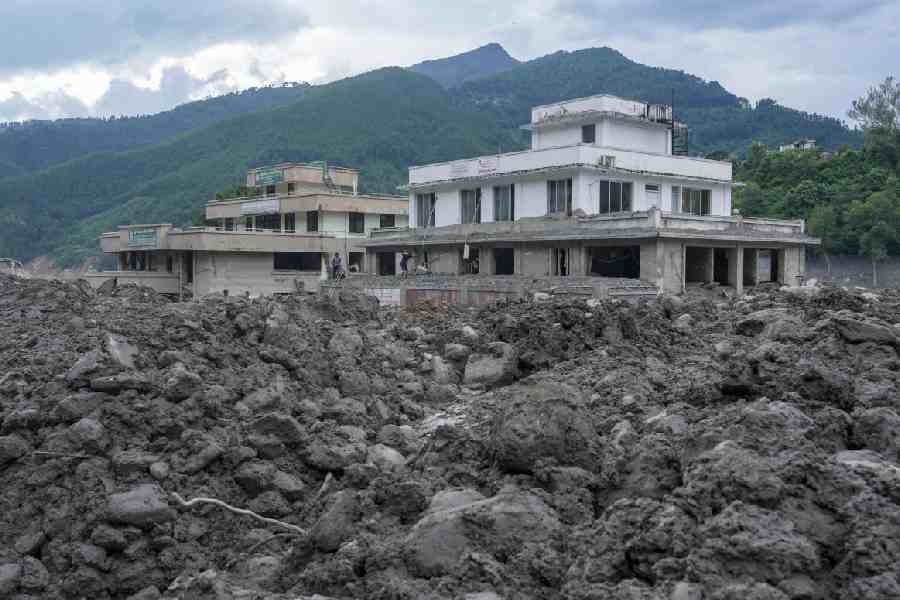
Melting Glaciers Push Nepal Toward Its Adaptation Threshold
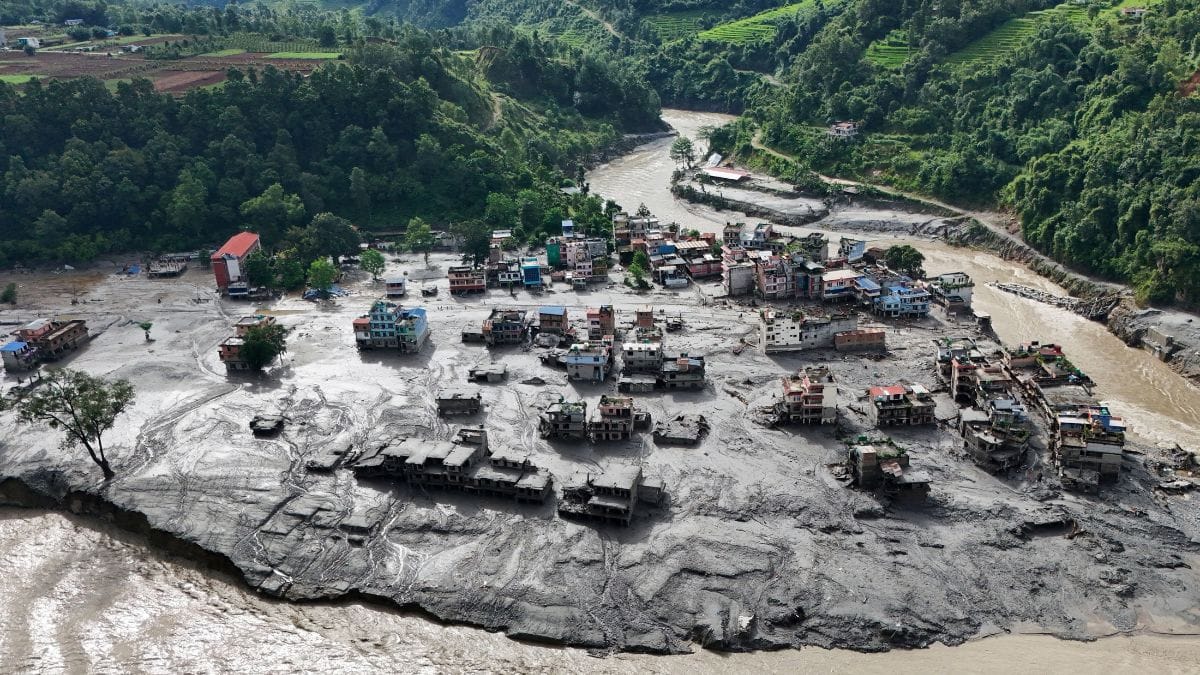
Why Young Himalayas Remain So Prone to Disasters
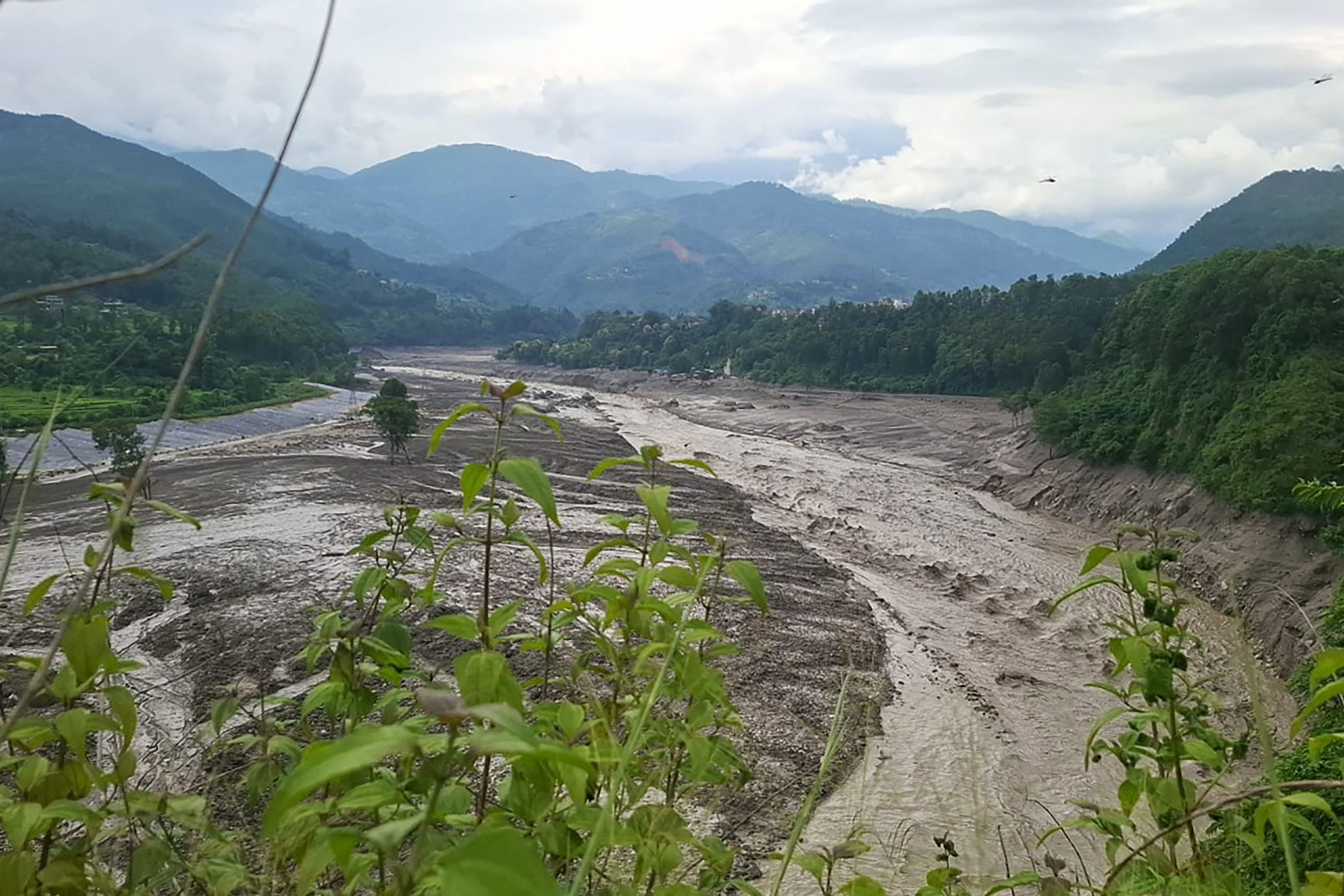
Nepal Flood Highlights Rising Glacier Risks in Warming Himalayas

Nepal Flash Floods Expose Glacier Risks Amid Climate Concerns

Farooq Abdullah’s Threat Claims Ignite Fury Over Kashmir Statehood
Mehbooba Mufti Urges Omar Abdullah to Resolve Intern Stipend Dispute
Karra Says J-K People Caught Between Two Power Centres

Rival NC-BJP Protests Roil J&K as Police Halt Marches
Omar Abdullah Alleges Unequal Treatment of Srinagar Political Protests