

1 hr ago
Middle East Oil Exports Rebound Despite Strait of Hormuz Attacks
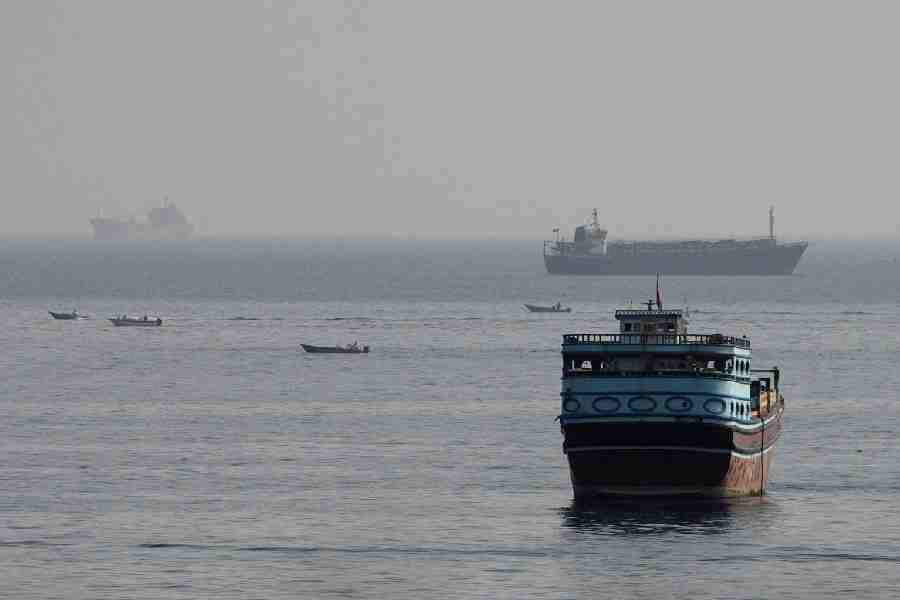
Ships carried more crude oil out of the Middle East than before the war on several days in late September.
The average was also above the pre-war average on October 1.
Other oil-related shipments were included in a separate total that averaged 22.4 million barrels a day.
More liquefied natural gas cargoes passed through the Strait of Hormuz in September than in any month since February.
At the same time, ships in and near the strait have faced attacks.
One reported attack set fire to the tanker Kazimah III, but its crew members were safe and evacuated.
A shipping intelligence firm warned that ships could face danger simply by being in an area where weapons are being used.
The data does not include ships that may have crossed with their tracking signals switched off.

Middle East crude exports exceeded pre-war levels on four days in the final week of September, reaching 19.5 million to 22.5 million barrels per day.
The seven-day average for crude exports was 18.5 million barrels per day on October 1, according to Kpler data.
Overall shipments of crude, oil products, chemicals and non-gas liquids averaged 22.4 million barrels per day in the seven days to September 30.
At least seven vessel attack incidents were reported in and around the Strait of Hormuz, including a reported October 1 strike that caused a fire on the Kazimah III.
Marisks said vessels face a heightened, unpredictable threat and that some incidents may involve weapons engaging radar signatures in a designated area rather than deliberate targeting of specific ships.
- Who
- Middle East oil exporters and commercial vessels, including the tanker Kazimah III.
- What
- Crude oil exports rose above pre-war levels on four days in late September despite reported attacks on vessels.
- Where
- The Middle East, including the Strait of Hormuz and nearby waters.
- When
- The final week of September, with export data reported through October 1; the article also reports attacks since October 2.
- Why
- The article reports that exports increased but does not state why; shipping intelligence warned that vessels face an unpredictable threat from attacks.
Key facts
- Pre-war crude export average
- 18 million barrels per day from March 2025 through February of this year.
- Late-September peak range
- 19.5 million to 22.5 million barrels per day on September 24 and September 27–29.
- Crude export moving average
- 18.5 million barrels per day on October 1.
- All listed liquid shipments
- 22.4 million barrels per day on average in the seven days to September 30.
- Reported vessel incidents
- Marisks reported at least seven incidents in and around the Strait of Hormuz.
- Kazimah III
- Reportedly struck by an unknown projectile on October 1, causing a fire; all crew members were reported safe and evacuated.
- Strait traffic before the war
- Typically about 125 large commercial vessels per day, carrying roughly 20% of the world's daily crude oil and LNG supply.
Quotes
Marisks
Shipping intelligence firm that reported on vessel incidents.
“Instead, available information indicates the possibility that Iranian forces are launching missiles into a predetermined engagement area or 'kill box', with weapons potentially acquiring and locking onto available radar signatures within that area.”
 telegraphindia.com
“Current intelligence suggests that the recent pattern of incidents may not necessarily represent deliberate targeting of individually selected merchant vessels.”
telegraphindia.com
Sources
Related news

Strait of Hormuz Ship Traffic Falls as Regional Tensions Persist

Oil Exports Through Hormuz Rise Despite Middle East Turmoil
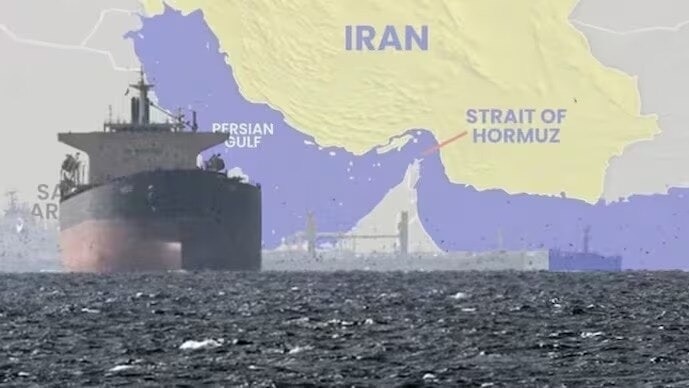
Saudi Arabia boosts crude shipments through Strait of Hormuz
Hormuz Shipping Traffic Falls to Seven Vessels, Data Shows

Widening US-Iran Conflict Threatens Middle East Oil Shipping Routes

Oil Falls as Hormuz Shipments and Supply Risks Reemerge

Global Trade Outpaces Forecasts Despite Tariffs and Systemic Strains

Iran Reviews US Response to Seven-Day Plan for Ceasefire

Oil Prices Ease but Remain Above $100 Amid G7 Reserve Plans

Sensex and Nifty Open Higher as Oil Prices Ease
