3 weeks ago
India's caste census will use open-ended questions, no dropdown
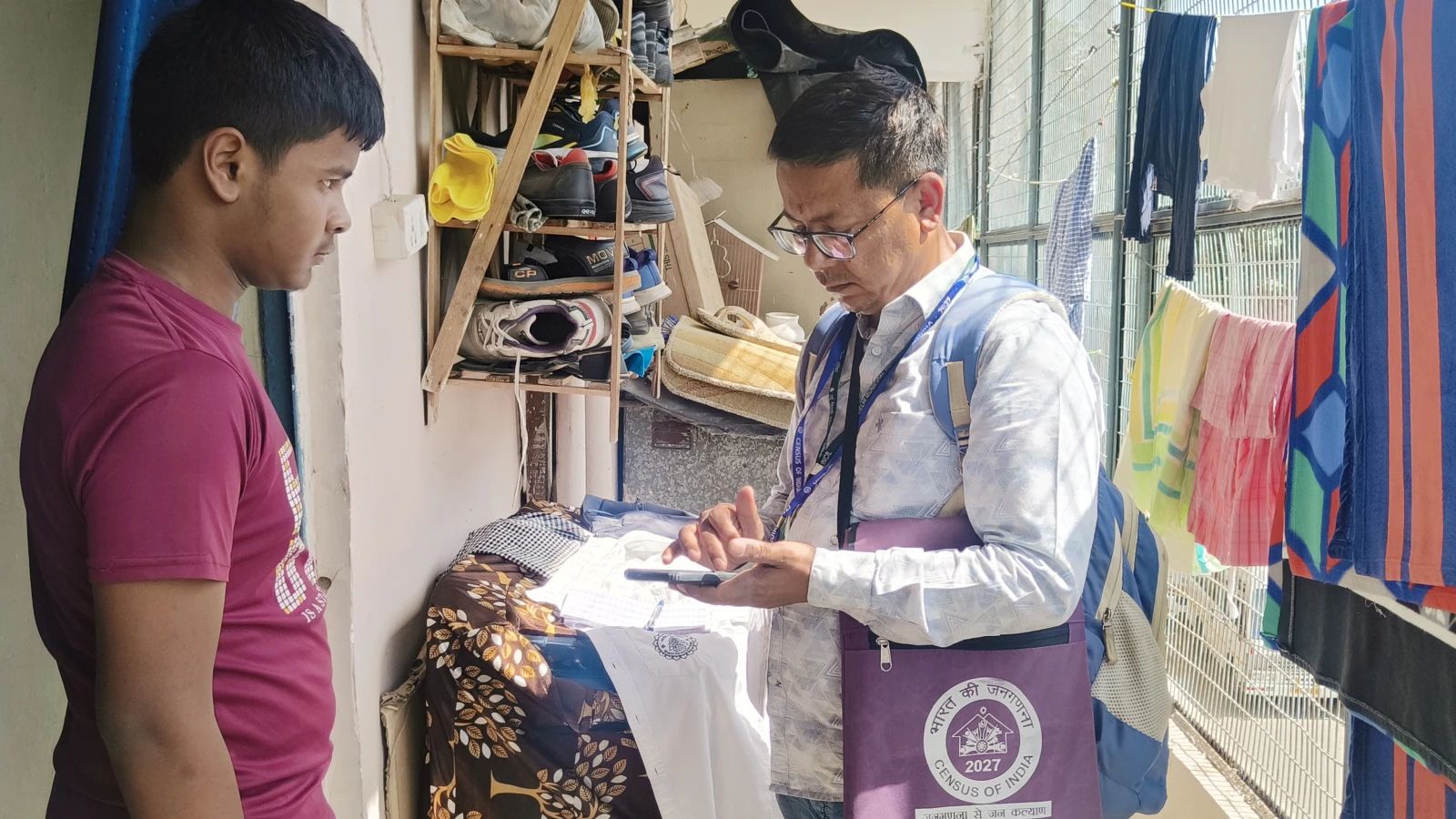
A census is when a country counts all the people living in it, like a giant headcount.
India is getting ready to do this, and while counting people, the government will also ask about caste, which is a group families in India have belonged to for a very long time.
The government decided not to give people a list of castes to pick from.
Instead, they will just ask each person to say their caste and write down the answer exactly as spoken.
This is like when a teacher asks about your favorite food and writes down your answer instead of showing a chart.
In 2011, India tried the same way, and it did not work well because people gave almost 47 lakh different names for their castes.
Some people worried the government would have to decide who belongs to which caste, and that could be unfair.
The government says it is only recording what people say, not checking if it is true.
The counting will start in snowy mountain areas in September and everywhere else in February next year.

The Registrar General of India has decided to use an open-ended question on caste instead of a drop-down menu for the caste census.
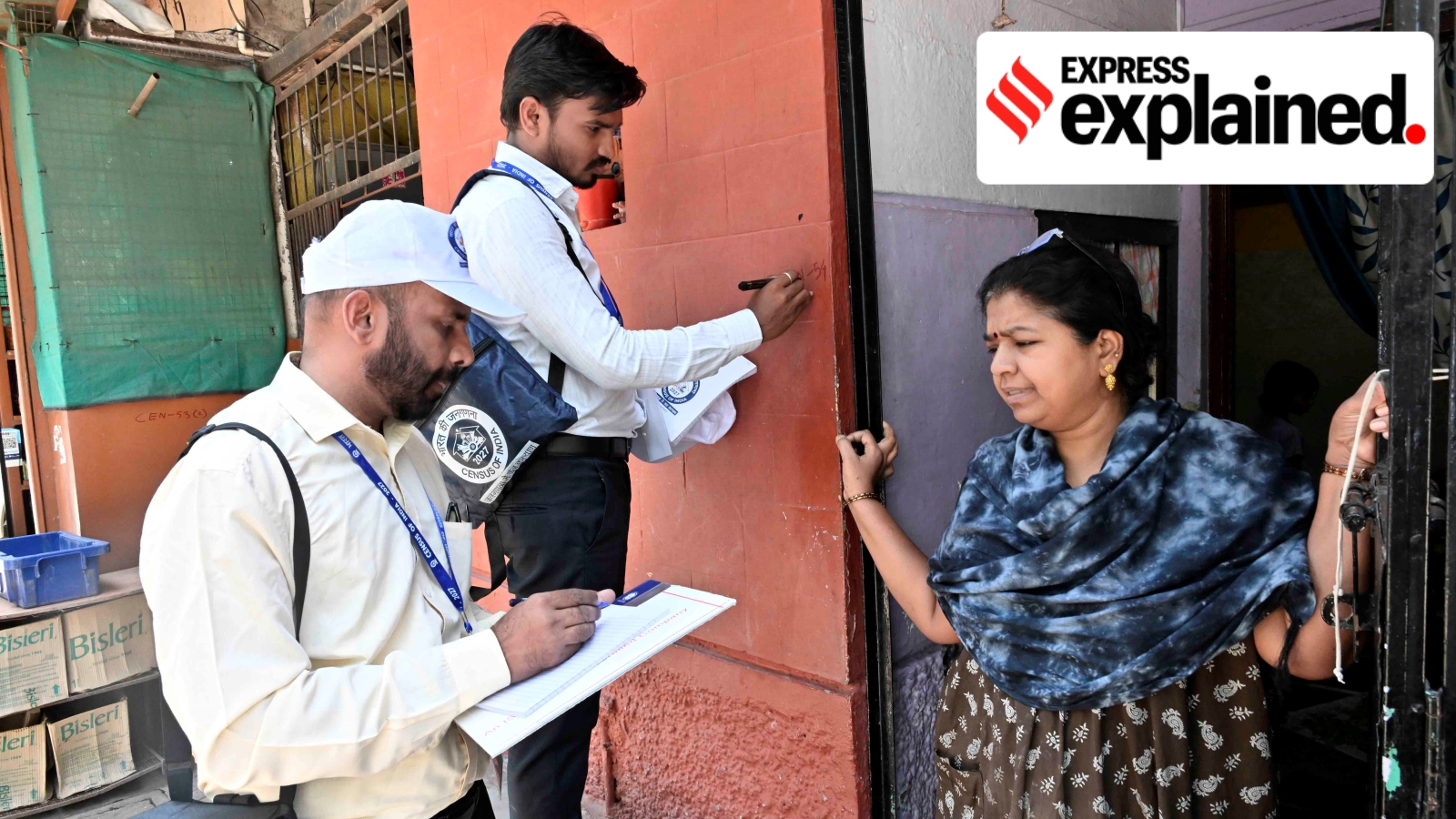
Enumerators will record respondents' caste answers verbatim without classifying surnames or sub-castes into broader categories.
Population enumeration with the caste census will be conducted nationwide in February next year, starting September 1 this year in hilly and snow-bound areas.
The same open-ended format was used in the 2011 Socio-Economic and Caste Census, which produced nearly 46.7 lakh distinct caste names and was ultimately withheld by the government.
The government says the format avoids the State becoming an arbiter of caste identities, while officials admit it will likely produce results similar to the flawed 2011 exercise.
- Who
- The Registrar General of India, the Ministry of Home Affairs and senior Union government officials
- What
- A decision to conduct the caste census using an open-ended question, with answers recorded verbatim, instead of a drop-down menu of castes
- Where
- India
- When
- Nationwide population enumeration and caste census in February next year; from September 1 this year in hilly and snow-bound areas
- Why
- To avoid the State becoming an arbiter of caste identities and to address concerns about using central and state caste lists, including those raised by the RSS and Sangh Parivar
Supporters of the caste census
Government and critics of the caste census
Conducting a caste census
Supporters of the caste census
Opposition parties have been demanding a caste census for political reasons and pushed the government to accept it.
Government and critics of the caste census
The government says a caste census is fraught with the possibility of producing poor data because of the complexities involved, and accepted it only after pressure.
Caste enumeration format
Supporters of the caste census
An open-ended question avoids the State becoming an arbiter of caste identities, since enumerators simply record what respondents say without categorization.
Government and critics of the caste census
Using drop-down menus based on central and state caste lists would standardize responses, but the RSS and sections of the Sangh Parivar argued such lists could entrench a caste architecture institutionalised under British rule.
Data reliability
Supporters of the caste census
Census is only a recording exercise, not a verification exercise, so no evidence should be demanded against a person's claim.
Government and critics of the caste census
Officials admit the open-ended format will likely produce results similar to 2011, when the exercise created an administrative nightmare, yielded 46.7 lakh distinct caste names and forced the government to withhold the data.
Key facts
- Format
- Open-ended question; answers recorded verbatim
- Drop-down menu
- Not used for caste; still used for notified SC/ST communities
- Nationwide enumeration
- February next year
- Hilly and snow-bound areas
- From September 1 this year
- Distinct caste names in 2011 SECC
- Nearly 46.7 lakh
- Castes recorded in 1931 census
- 4,147
- Involved bodies
- Registrar General of India; Ministry of Home Affairs
- 2011 SECC data outcome
- Withheld by the Union government
Quotes
Senior MHA official
Official from India's Ministry of Home Affairs
“"It has been finally decided that no dropdown menu or any other means will be used for caste enumeration. People have to just state their caste and the same will be recorded as it is."”
 indianexpress.com
Sources
Related news
India’s Caste Census Faces Lessons From Past Enumeration
Kharge, Rahul Gandhi Seek New Caste Census Questionnaire
Why India’s Caste Census Method Faces Sabotage Claims

Congress Challenges Census 2027 Caste Question Over Data Accuracy
Pasmanda Leader Accuses BJP of Undermining Caste Census Questionnaire
Congress Challenges Census 2027 Caste Questionnaire Design
India's Census Faces Caste Enumeration Challenges