1 week ago
Why India’s Caste Census Method Faces Sabotage Claims
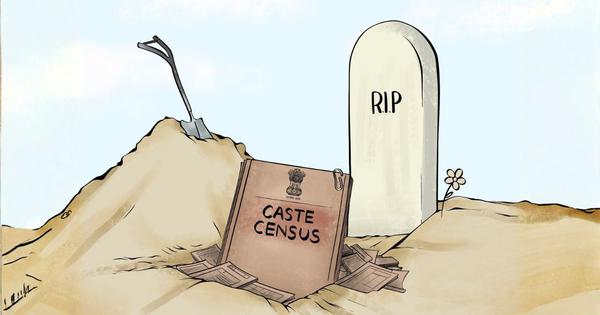
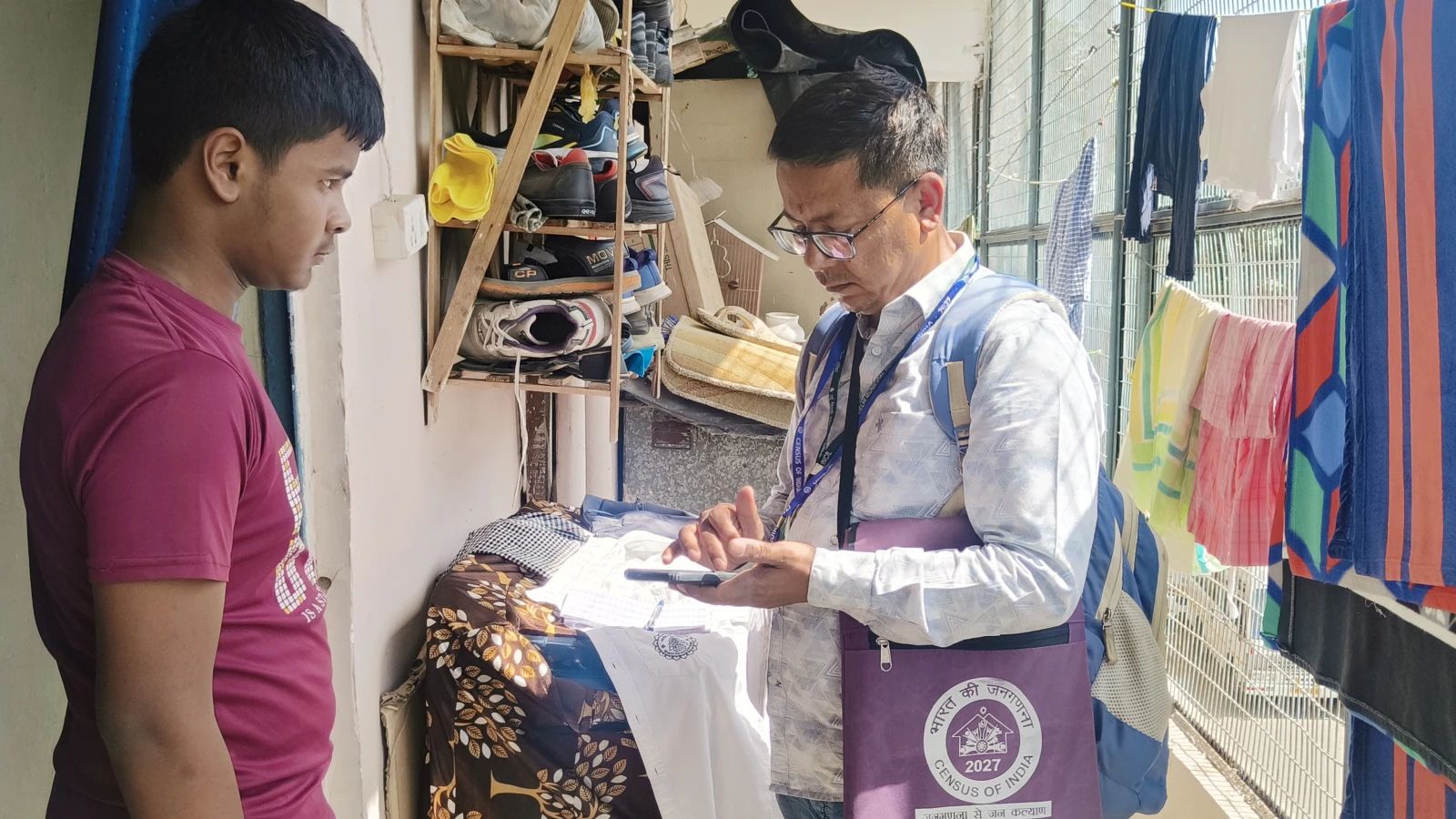
India plans to ask people about their caste during its next census.
The government says it will use a question where people write or say their caste themselves.
Critics worry that different spellings and names for the same caste will create confusing results.
A similar survey in 2011 produced about 46 lakh different entries.
They say the government should provide a list of caste names to choose from.
The government’s plan also does not identify the Other Backward Classes as a separate group.
Some experts believe computers and researchers can still match similar answers and repair the data.
The results could affect arguments about how many reserved places different groups should receive.
The government has been accused of making the process fail, but those accusations are disputed by people who think the data can still be analyzed.

The Modi government reversed its position in April 2025 and announced caste enumeration in India’s next census.
Officials will use an open-ended caste question, a method critics say produced 46 lakh entries in the 2011 survey.
Critics argue that failing to include a caste list and a distinct OBC category could make the data difficult to use.
Supporters of the census say artificial intelligence and expert analysis could still help clean inconsistent responses.
The dispute matters because caste data could influence debates over reservations, including the 27% OBC quota and the 50% reservation cap.
- Who
- The Narendra Modi government, opposition parties, activists, sociologists and data analysts are involved in the dispute.
- What
- India plans to include caste enumeration in its next census while using an open-ended question rather than a prepared caste list.
- Where
- India, with the population enumeration beginning in snowbound northern areas; Bihar and Telangana are cited as examples of states that conducted caste surveys.
- When
- The policy reversal was announced in April 2025; population enumeration is scheduled to begin next month in snowbound parts of northern India.
- Why
- The government says caste will be counted, while critics argue the chosen method could produce unusable data and undermine debates about social justice and reservations.
Critics of the methodology
Those who see the data as recoverable
Open-ended caste responses
Critics of the methodology
Sociologist Satish Deshpande and activist Yogendra Yadav say an open-ended question will generate spelling differences and multiple names for the same community, potentially making the data useless or deliberately difficult to analyze.
Those who see the data as recoverable
Congress MP Praveen Chakravarty says artificial intelligence could identify responses such as “Rajput” and “Rejput” as the same, while Deshpande acknowledges that researchers could clean the data with substantial effort.
Use of a prepared caste list
Critics of the methodology
Critics recommend a state-level drop-down list of caste names, with an “Other” option followed by a detailed response and expert review.
Those who see the data as recoverable
The government is proceeding without that drop-down list, and the article does not report a detailed official defense of the decision.
Political intent
Critics of the methodology
Critics allege that the Modi government lacks the political will to produce usable caste data and may have adopted a design that undermines its own programme.
Those who see the data as recoverable
Other analysts remain hopeful that the results can still be cleaned and used, even though they agree that the open-ended method is flawed.
OBC representation
Critics of the methodology
Activists say excluding the Other Backward Classes as a distinct category could fail to show their actual population share and weaken demands for expanded reservations.
Those who see the data as recoverable
The planned process will still ask respondents to state their caste after questions about Scheduled Caste and Scheduled Tribe status, leaving open the possibility of later analysis.
Key facts
- Planned census
- The next census will include caste enumeration, according to the government’s April 2025 announcement.
- Enumeration method
- Respondents will be asked about Scheduled Caste or Scheduled Tribe status and then asked to state their caste; they may also decline or say they have no caste.
- 2011 comparison
- The 2011 Socio-Economic and Caste Census used an open-ended caste question and reportedly produced 46 lakh entries.
- Historical gap
- The article describes the planned exercise as the first time since 1931 that caste will be counted as part of the census.
- OBC estimate
- The Mandal Commission estimated in 1980 that Other Backward Classes constituted 52% of India’s population.
- Current OBC quota
- Other Backward Classes currently have a 27% quota in government jobs and educational institutions.
- Reservation debate
- Rahul Gandhi has promised to remove the Supreme Court’s 50% cap on reservations if the Congress comes to power.
Quotes
Praveen Chakravarty
Congress Rajya Sabha MP and data analytics specialist
“Variations of spellings alone will account for tens of thousands of entries. It is quite tragic that a deliberate attempt is being made to prevent usable data from coming out.”
 scroll.in
“For example, if you declared your caste as ‘Rajput’ and another person said ‘Rejput’, artificial intelligence today would say that these two are the same.”
scroll.in
Sources
Related news
Congress Challenges Census 2027 Caste Questionnaire Design
Kharge, Rahul Gandhi Seek New Caste Census Questionnaire

Gehlot Calls India’s Caste Census Process Flawed, Seeks Immediate Correction
India's caste census will use open-ended questions, no dropdown

Congress Challenges Census 2027 Caste Question Over Data Accuracy

Caste Census Debate Deepens Over Scope, Data and Representation

Government Defends 7.8% GDP Growth as Congress Raises Doubts
Kerala BJP Chief Attacks IUML Over Sharia Law Allegations
BJP, Karni Sena Criticize Swara Bhasker’s Padmaavat Comments
Akhilesh Yadav Questions Irregularities After Ram Temple CEO Appointment
Jharkhand Authorities Probe Voter Deletion Forms After Express Report