9 months ago
India's 2027 Caste Census: A Path to Equity or Deeper Division?
Imagine India is trying to help people who need it most.
For a long time, they haven't known exactly who needs the most help because they haven't counted everyone in different social groups, called castes.
Now, in 2027, they plan to count every single caste.
This is like taking a really detailed picture of the whole country.
Some people think this picture will help them give help, like in schools or jobs, to the people who truly need it.
They believe it will make things fairer.
But others worry that by counting castes, they might make the differences between castes even stronger.
They are afraid it could make people focus more on which caste they belong to, instead of trying to make everyone equal.
It's like trying to fix a problem, but worrying that the way you try to fix it might make the problem bigger.
The big question is whether this count will help India become a more equal place, or if it will cause more problems.

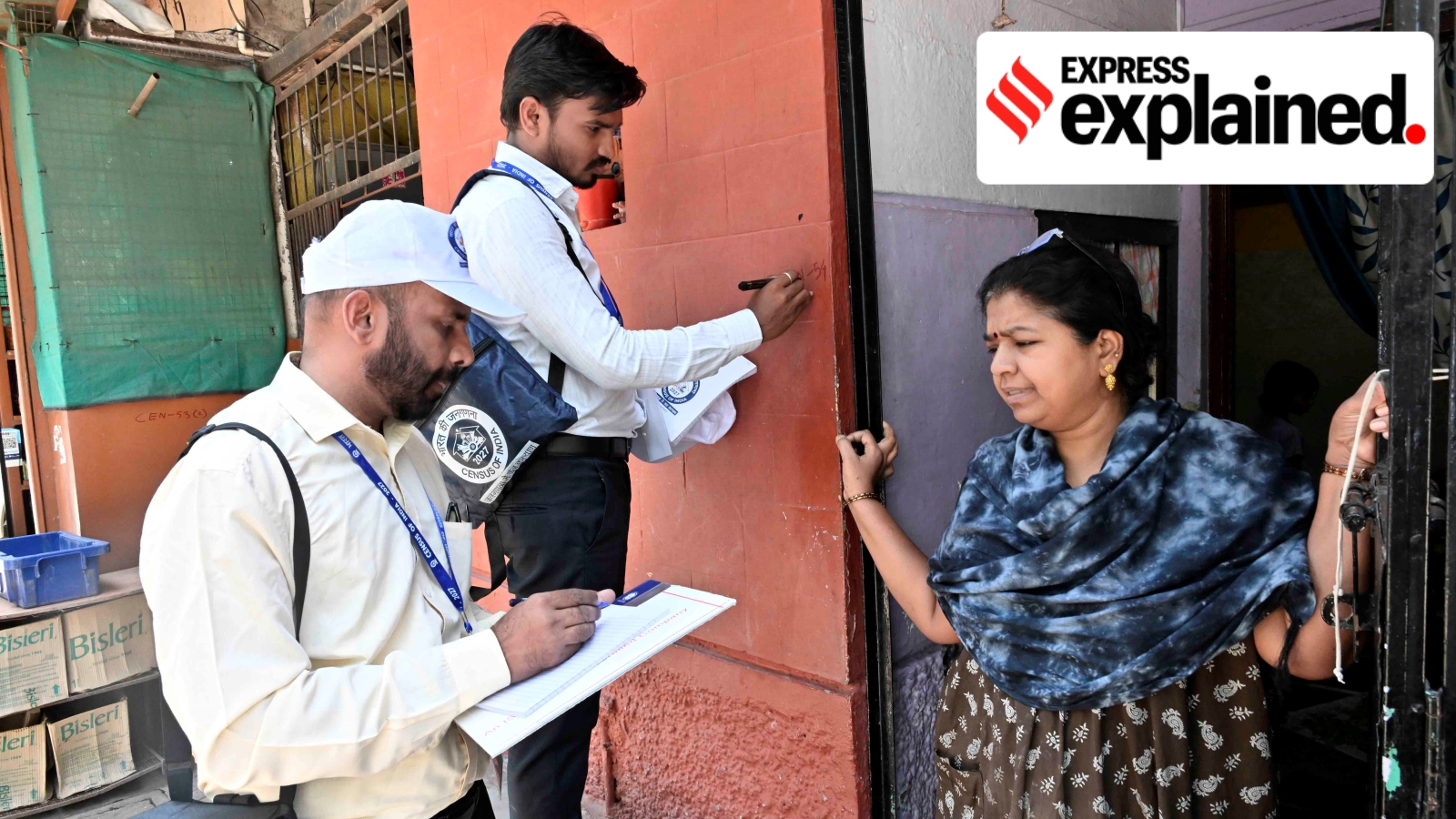
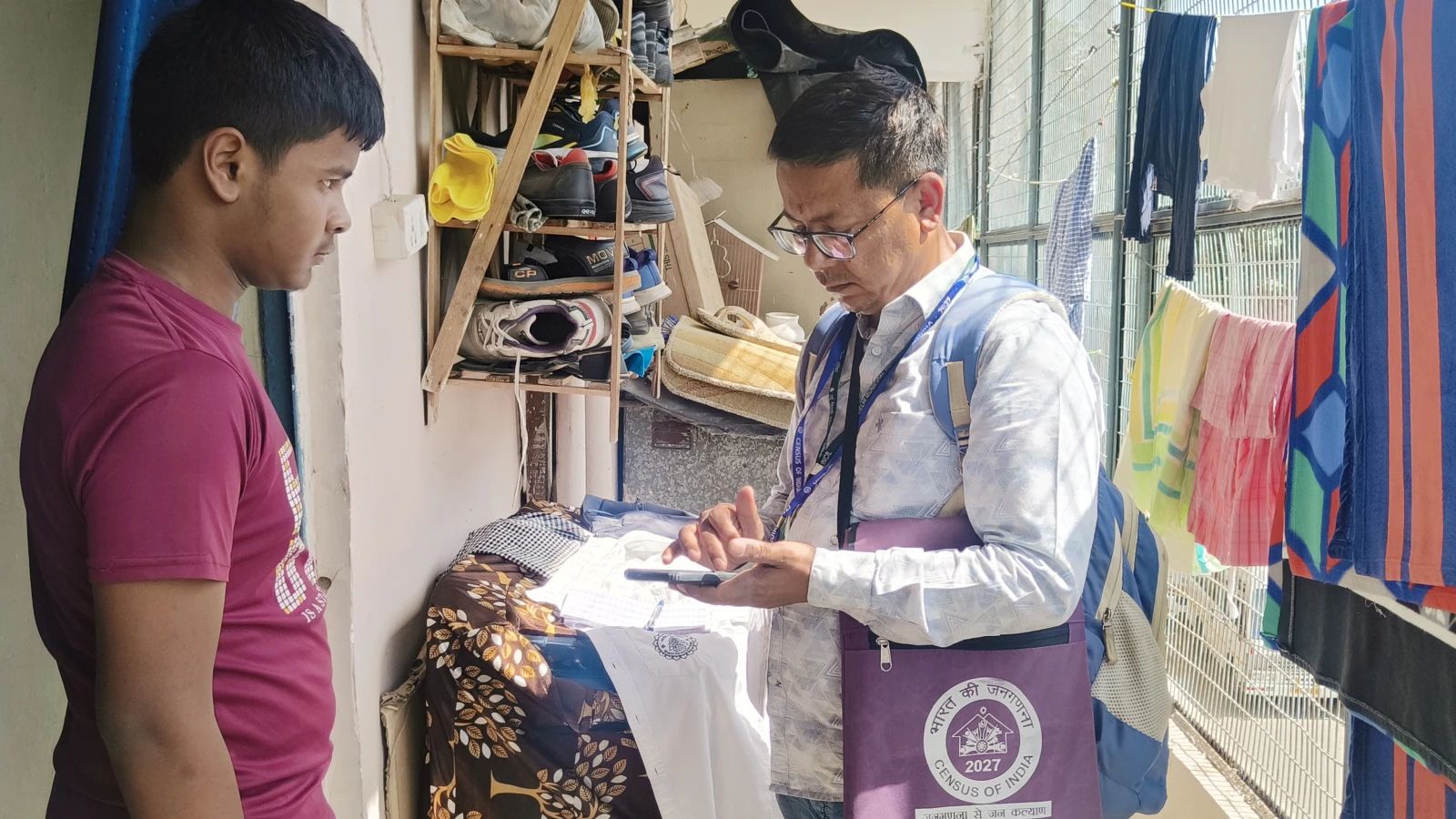
India plans to conduct a full caste census in 2027, the first in nearly a century.
Supporters believe it will reveal hidden inequalities and allow for more targeted welfare and reservation policies.
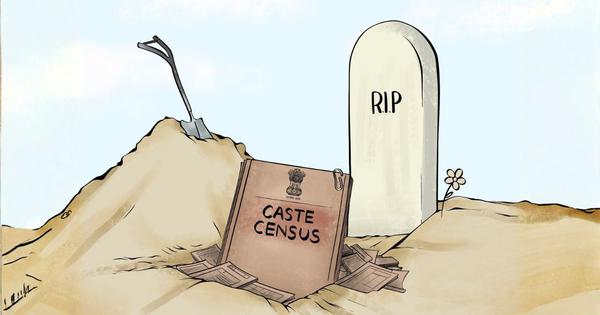
Critics warn that enumerating castes could reinforce social divisions and fuel political divisions based on caste identities.
The census aims to gather data to address the ongoing influence of caste on access to opportunity, dignity, and power.
The success of the census hinges on its ability to inform policies that uplift individuals based on deprivation, rather than solely on identity.
- Who
- The Indian government
- What
- Decision to conduct a full caste census
- Where
- India
- When
- Scheduled for 2027
- Why
- To address long-standing social inequalities, improve the accuracy of welfare distribution, and understand the impact of caste on access to opportunity and power.
Advocates of Caste Census
Critics of Caste Census
Addressing Inequality
Advocates of Caste Census
A full census is necessary to reveal and address long-suppressed inequalities and data blindness in welfare distribution, ensuring more targeted and evidence-based policies.
Critics of Caste Census
Formally listing and classifying castes will bureaucratize inequality, potentially reinforcing divisions and turning social justice into a contest of entitlements and vote-bank politics.
Data's Role
Advocates of Caste Census
Comprehensive data will bring transparency and accountability, making welfare more effective and uplifting deprived communities.
Critics of Caste Census
Enumeration shapes reality, risking the rigidification of caste identities legitimized by the state, and potentially deepening resentment and social fragmentation.
Policy Impact
Advocates of Caste Census
When integrated with economic and educational indicators, a caste census can lead to a more rights-based and inclusive welfare system.
Critics of Caste Census
If reduced to political arithmetic, the census risks counting inequality without truly confronting it, becoming a weapon of division rather than a tool of justice.
Key facts
- Event
- Full Caste Census
- Scheduled Year
- 2027
- Objective
- Record every caste and sub-caste across India
- Rationale
- Address social inequalities, improve welfare targeting, and acknowledge caste's ongoing influence.
- Potential Risks
- Reinforcing caste divisions, deepening resentment, fragmenting social fabric, and fueling vote-bank politics.
Quotes

B.R. Ambedkar
Architect of India's constitution and a leading figure in the anti-caste movement.
“India’s founding vision... was not of a nation endlessly managing caste, but of one that would ultimately abolish it.”
 thestatesman.com