

2 hrs ago
Congress Challenges Election Commission’s SIR and Form 6 Defence
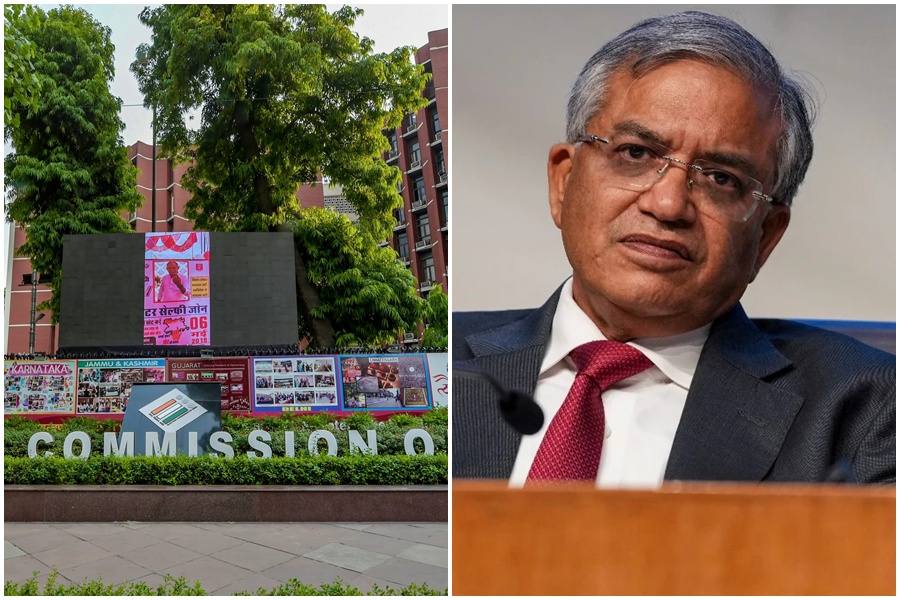
Congress is criticizing the Election Commission’s voter-list review called the Special Intensive Revision, or SIR.
Pawan Khera says the Commission used the Supreme Court’s name to defend a version of Form 6 that was changed later.
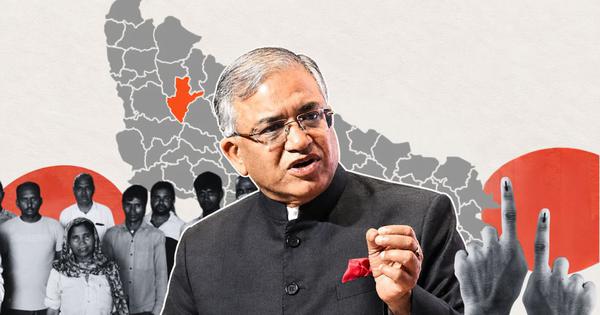
Former official R.K. Singh also says the review may have broken election rules.
He is worried that poor people, migrants and young voters could lose their chance to vote.
He says some names were removed without giving voters a proper chance to explain themselves.
The Election Commission says its decisions were made unanimously and followed the law.
It also says the review was not designed to help the Bharatiya Janata Party.
The Commission has announced steps to make checking voter information easier.

Congress leader Pawan Khera accused the Election Commission of misleading the public about the Supreme Court’s treatment of Form 6.
Khera cited former Union minister R.K. Singh’s open letter alleging that the Special Intensive Revision violated electoral law and could disenfranchise vulnerable voters.
Singh questioned whether Section 21 of the Representation of the People Act allowed an intensive revision to be ordered across the entire country.
He alleged that names were removed without adequate inquiry or notice and that voters were improperly required to reapply through Form 6.
The Election Commission said SIR decisions were unanimous, lawful and not intended to benefit the Bharatiya Janata Party, while announcing measures to simplify verification.
- Who
- Congress leader Pawan Khera, former Union minister and former Union home secretary R.K. Singh, and the Election Commission, including Chief Election Commissioner Gyanesh Kumar, are central to the dispute.
- What
- Congress and Singh are challenging the legality of the Special Intensive Revision and the Election Commission’s defence of changes to Form 6.
- Where
- The dispute concerns electoral-roll revision across India.
- When
- The dispute was reported on Tuesday; the article also refers to the Commission’s September 26 statement and a Form 6 change made in July 2026.
- Why
- Critics allege that the process violated election law, removed names without adequate safeguards and could disproportionately affect poor, migrant and marginalised voters; the Election Commission says it acted lawfully.
Critics of the SIR process
Election Commission’s position
Supreme Court and Form 6
Critics of the SIR process
Pawan Khera and Saket Gokhale argue that the version of Form 6 currently defended by the Commission was changed after the Supreme Court judgment, so the Court did not examine that version.
Election Commission’s position
The Election Commission cited the Supreme Court’s endorsement of its SIR directives and defended the changes connected to the exercise.
Legality of nationwide revision
Critics of the SIR process
R.K. Singh argues that Section 21 permits special intensive revision only in special cases and in a constituency or part of one, making a nationwide order illegal.
Election Commission’s position
The Election Commission says its SIR orders and schedules were approved unanimously and that its actions followed the law.
Voter exclusions and safeguards
Critics of the SIR process
Singh alleges that names were removed without inquiry, notice or a hearing, and that documentation and verification requirements burden poor and migrant voters.
Election Commission’s position
The Commission has rejected claims that SIR was intended to benefit the Bharatiya Janata Party and has announced steps to simplify verification, including home document collection.
Key facts
- Issue
- The legality and implementation of the Special Intensive Revision of electoral rolls
- Congress criticism
- Pawan Khera called the Election Commission’s Form 6 defence “lies, lies and deceit” and demanded accountability from Gyanesh Kumar.
- Form 6 dispute
- Critics say a new declaration or appendix was added after the Supreme Court judgment and without proper authorisation.
- Legal provisions cited
- R.K. Singh questioned the use of Sections 21 and 22 of the Representation of the People Act, 1950.
- Voter concerns
- Singh alleged disproportionate effects on poor, migrant, young and marginalised voters.
- Election Commission position
- The Commission says SIR decisions were unanimous, lawful and not intended to benefit the Bharatiya Janata Party.
- Administrative response
- The Commission announced a review of ECINET and measures including simpler verification and collecting documents from voters’ homes.
Quotes

Raj Kumar Singh
Former Union minister, former home secretary and former BJP leader
“As per Section 21 of the law, a special revision is to be undertaken only in special cases, for reasons to be recorded in writing in each case; and that also only in any constituency or part of a constituency.”
 telegraphindia.com
“The Form 6 was changed AGAIN after the Supreme Court’s judgment. So the Supreme Court did not examine the very Form 6 that Gyanesh Kumar Gupta now claims the Court has approved.”
telegraphindia.com
Sources
Related news
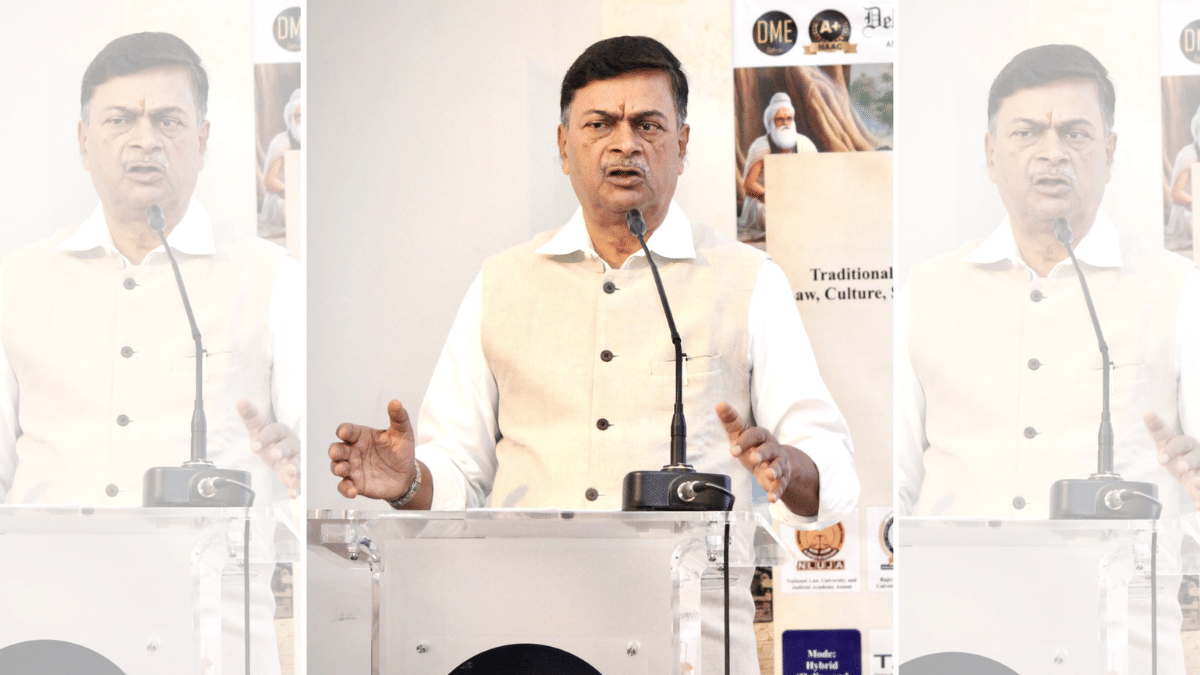
Former Minister Alleges CEC Broke Law During Electoral Roll Revision

Election Commissioners Challenge Form 6 Changes Linked to SIR
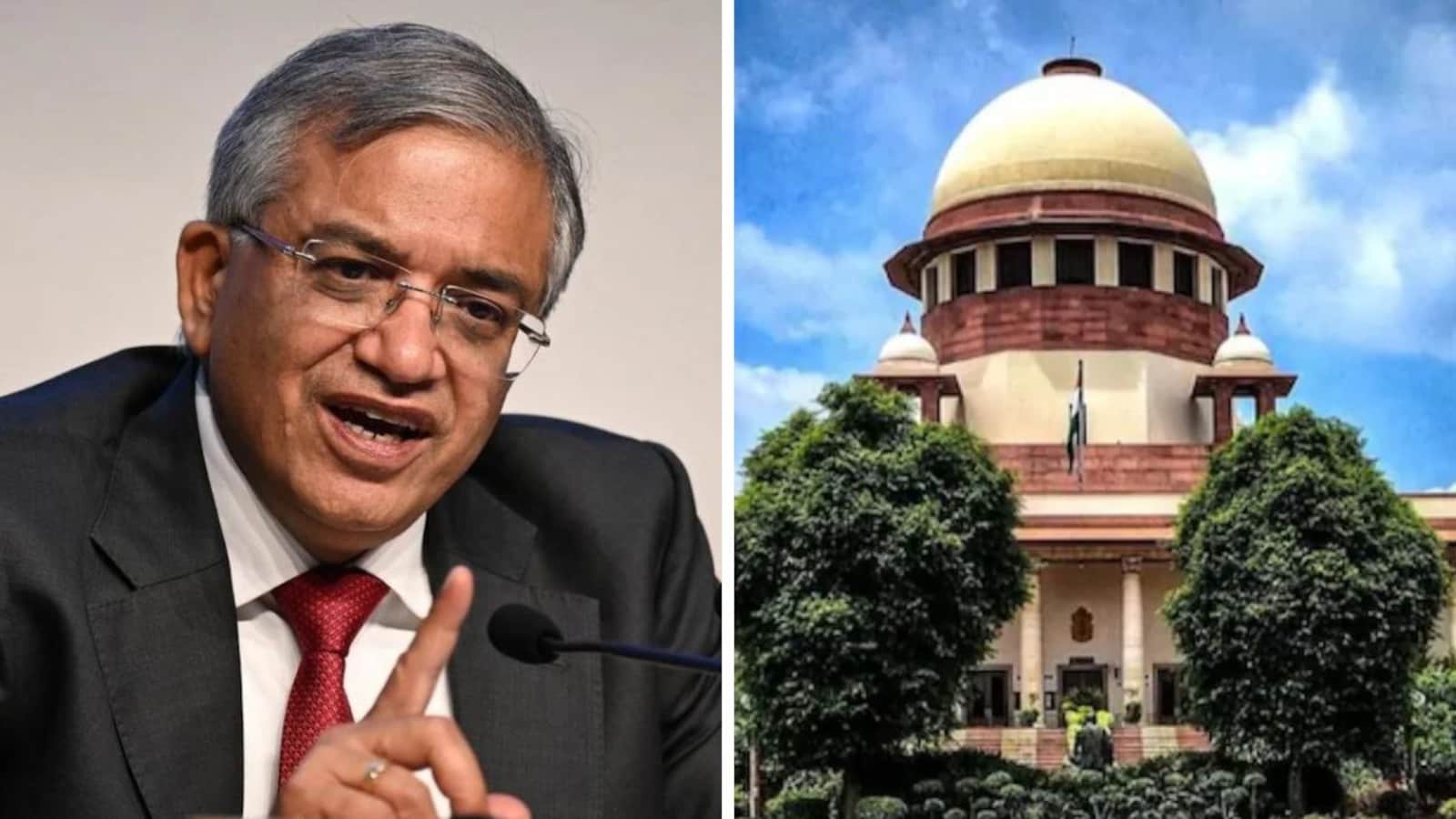
Plea Seeks Prosecution of CEC Gyanesh Kumar Over ECI Decisions

Two Election Commissioners Raise 14 Objections Over SIR Decisions
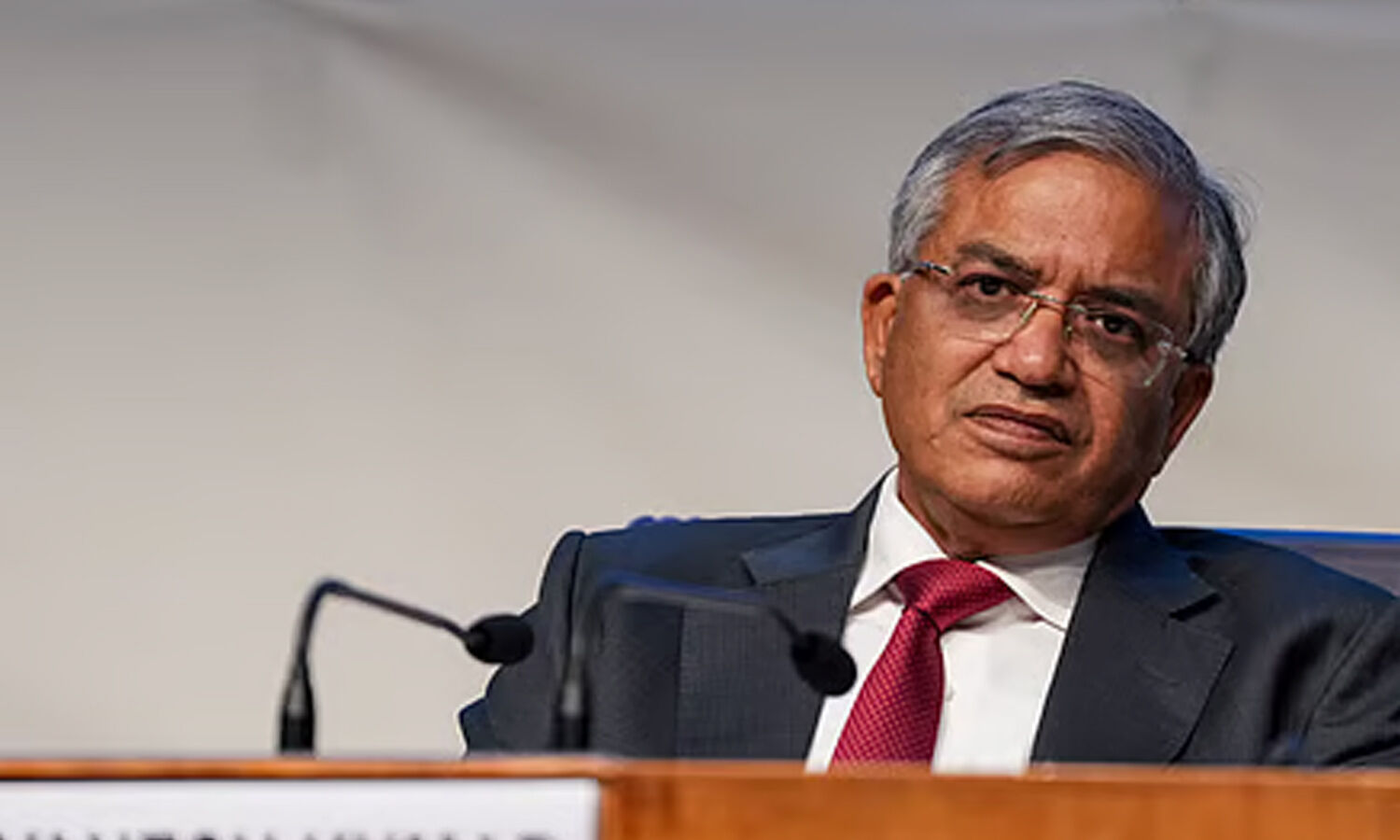
Election Commission Silence Deepens Dispute Over Form 6 Changes
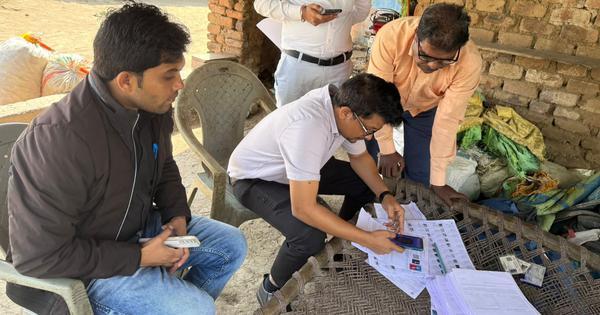
India's Controversial Electoral Roll Revision Faces Internal and Public Scrutiny

Maharashtra Congress Alleges ECI-Net Misuse, Demands Action Against CEC
Manoj Muntashir Brings Faith, Identity And Politics To Republic Summit
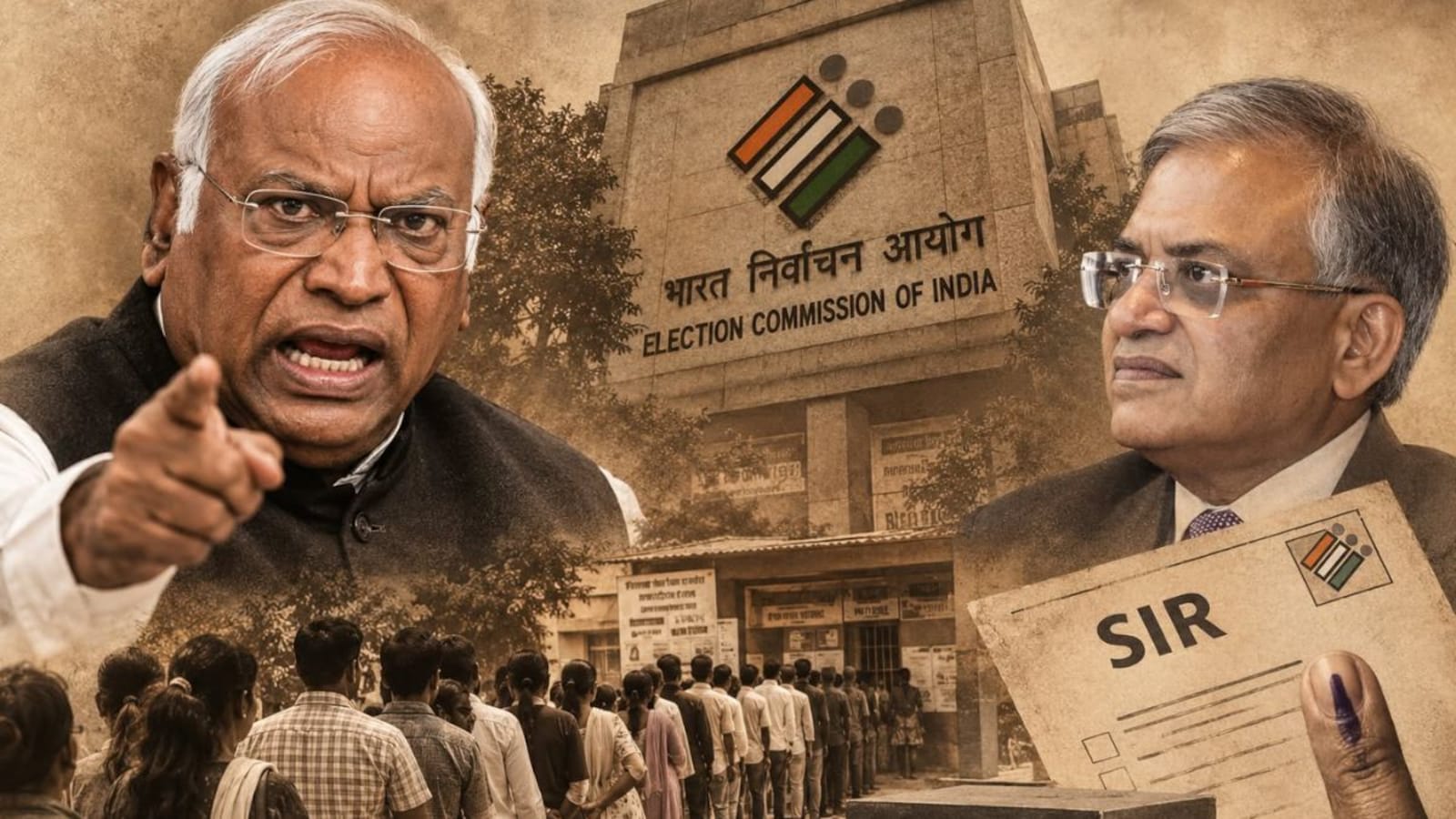
Kharge Demands CEC Removal, Modi Resignation Over Electoral Rolls
India Debate: Do Voters Matter When Leaders Face Questions?
Conflict Concerns Follow Election Chief From Sambhal to Supreme Court
