1 hr ago
India's Controversial Electoral Roll Revision Faces Internal and Public Scrutiny
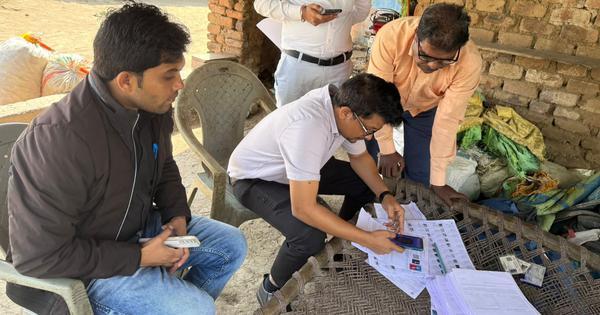
The Election Commission is checking India's voter lists through a process called Special Intensive Revision, or SIR.
It asks many voters to show a connection to older voter lists from 2002.
Officials say the process is meant to make elections free and fair.
Critics worry that genuine voters could lose their names because the checks are difficult or because the work is happening quickly.
Two election commissioners reportedly objected to several decisions made during the exercise.
Millions of names have been removed from draft or revised lists in different states.
People can challenge many of these removals through appeals.
In West Bengal, most decided appeals ended with voters being included again.
The Supreme Court allowed the exercise but said the Election Commission cannot decide who is legally an Indian citizen.

The Special Intensive Revision of electoral rolls has faced criticism over its pace, process and possible impact on genuine voters.
Voters must establish a presence or parental link to the 2002 electoral rolls, unlike in ordinary roll updates.
Election Commissioners Sukhbir Singh Sandhu and Vivek Joshi reportedly objected at least 14 times to SIR-related decisions.
In West Bengal, about 91 lakh voters were removed by April 6, while 93% of decided appeals resulted in voters being restored.
The Supreme Court upheld the Election Commission's authority to conduct SIR but said it cannot determine an individual's citizenship.
- Who
- The Election Commission, Election Commissioners Sukhbir Singh Sandhu and Vivek Joshi, affected voters, and political parties including the Congress, Bharatiya Janata Party and Trinamool Congress.
- What
- A Special Intensive Revision of electoral rolls has removed or excluded millions of names and required voters to establish links to the 2002 rolls.
- Where
- The revision has covered states and Union Territories across India, including West Bengal, Maharashtra, Karnataka, Delhi, Uttar Pradesh, Haryana and Andhra Pradesh.
- When
- The exercise began in June 2025; its second phase ran in late 2025 and the first half of 2026, while the third phase is underway.
- Why
- The Election Commission says the exercise supports free and fair elections, while critics fear genuine voters could be excluded and election outcomes affected.
Critics and Internal Dissent
Election Commission and Legal Position
Risk of voter exclusion
Critics and Internal Dissent
Critics argue that the speed, documentation requirements and notices over alleged discrepancies could exclude genuine electors and influence election outcomes.
Election Commission and Legal Position
The Election Commission presents the revision as an exercise intended to protect voter rights and advance free and fair elections.
Internal decision-making
Critics and Internal Dissent
Sandhu and Joshi reportedly said some decisions, including changes connected with Form 6 and other procedures, were made without their knowledge and described one action as unauthorised and illegal.
Election Commission and Legal Position
The Election Commission said operational questions raised during drafts are normal administrative practice and that differing views are part of institutional deliberation.
Citizenship and electoral eligibility
Critics and Internal Dissent
Critics are concerned that the SIR's documentation and citizenship-related inquiries could affect people who are otherwise entitled to vote.
Election Commission and Legal Position
The Supreme Court upheld the revision but clarified that the Election Commission may inquire for electoral-roll purposes without deciding a person's citizenship.
Political impact in West Bengal
Critics and Internal Dissent
Analysis cited in the article found that in half the seats won by the Bharatiya Janata Party, deletions exceeded the victory margin, raising concerns about electoral consequences.
Election Commission and Legal Position
The article also reports that appeals were available and that 93% of decided appeals resulted in voters being included in the rolls.
Key facts
- Reference electoral roll
- Voters are asked to establish their presence in, or a parentage link to, the 2002 electoral rolls.
- Internal objections
- Sukhbir Singh Sandhu and Vivek Joshi reportedly objected at least 14 times over 10 months.
- Overall exclusions
- Congress chief Mallikarjun Kharge said 13.8 crore voters had been removed from rolls in 31 states and Union Territories.
- West Bengal exclusions
- About 91 lakh voters, nearly 11.9% of the state's pre-revision electorate, had been removed by April 6.
- West Bengal appeals
- Of 38.2 lakh appeals, 22.2 lakh were filed by voters whose names had been deleted; 93% of decided appeals resulted in inclusion.
- Third-phase exclusions
- More than six crore names had been excluded from draft rolls during the third phase.
- Supreme Court ruling
- The court upheld the Election Commission's authority to conduct SIR but said it cannot decide whether an individual is an Indian citizen.
Quotes
Supreme Court bench headed by Chief Justice Surya Kant
The Supreme Court bench that upheld the Election Commission’s authority to conduct the SIR
“Differing views and observations are a normal part of deliberation in any institution. They are a part of the decision-making process before a final decision is taken.”
 scroll.in
“advances the constitutional imperative of free and fair elections”
scroll.in
Sources
Related news
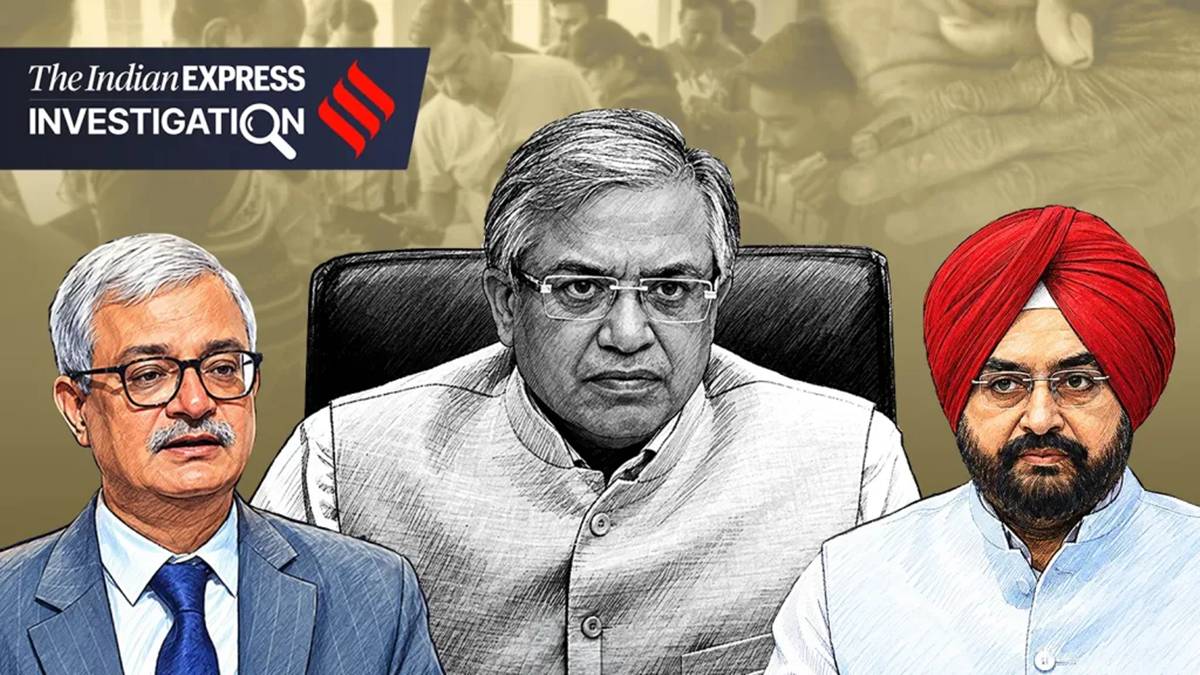
Election Commissioners Raise 14 Objections Over SIR Decisions

Election Commissioners Challenge Form 6 Changes Linked to SIR

Sibal Accuses Election Commission of Manipulating Electoral Rolls
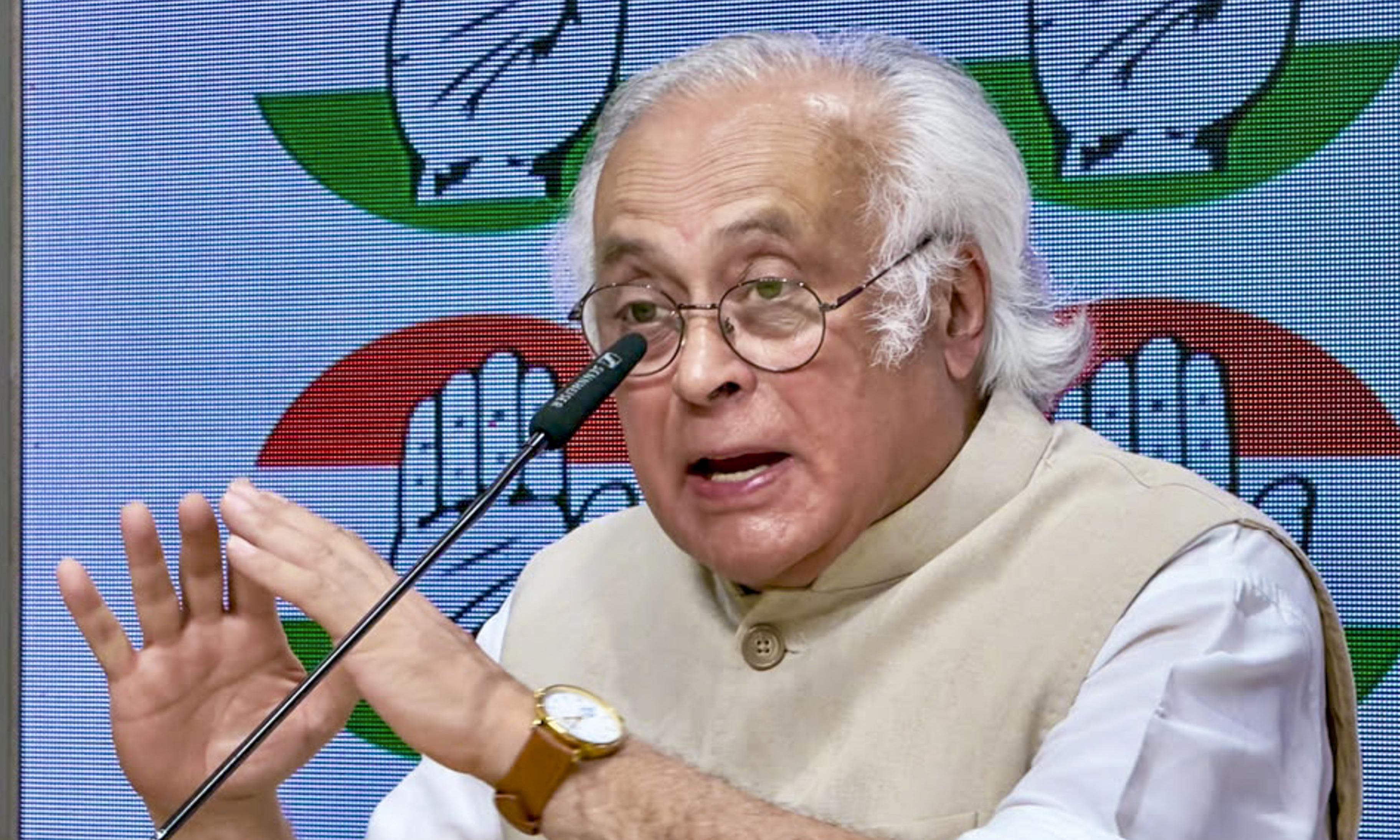
Congress Challenges Delhi SIR Over VIP Notices and Deletions

West Bengal SIR Leaves Over 37 Lakh Appeals Pending
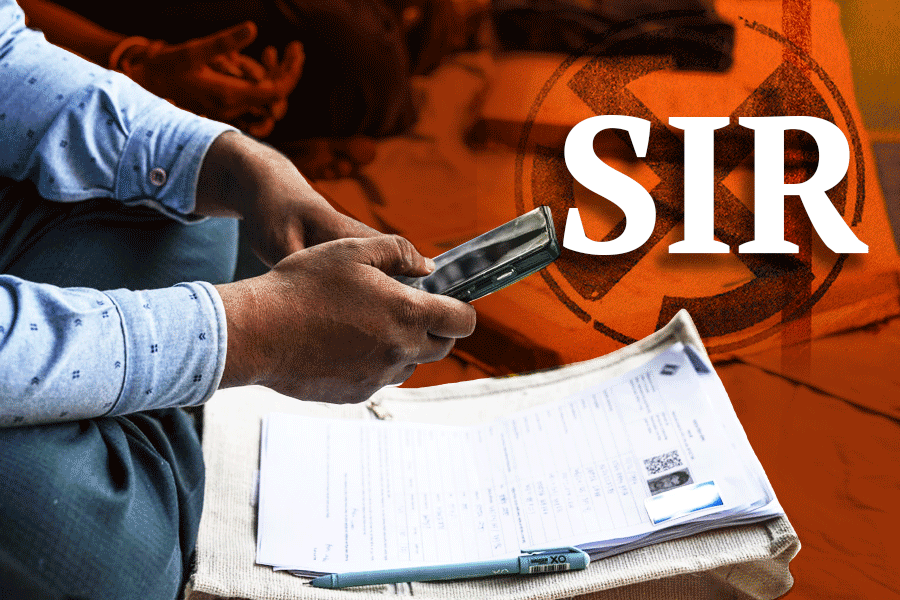
Congress Alleges Mass Voter Deletions During SIR Revision
Bengal to Permanently Shut 933 Schools With Zero Students
NCPI Unveils Committee, Gives Rebel TMC MPs Key Posts
Calcutta High Court Extends Stay on Demolition of Banerjee Office
UPSC Polity Quiz Covers Environmental Clearances, UCC and Governance