1 hr ago
Election Commission Silence Deepens Dispute Over Form 6 Changes
Form 6 is the form that people use to register as voters for the first time.
The Election Commission changed the form during a voter-roll review.
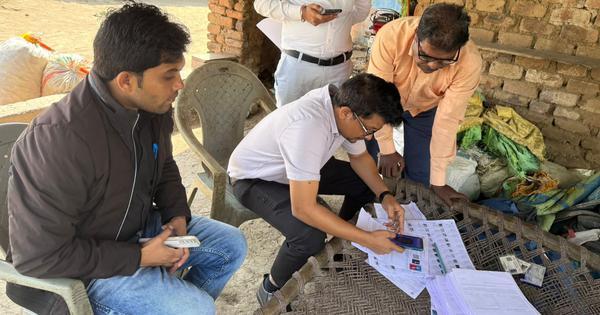
It asked applicants whether they or some close relatives were listed in an older 2003 voter roll.
Two election commissioners reportedly objected to this change.
They believed the government, not the Commission alone, might need to approve such a rule change.
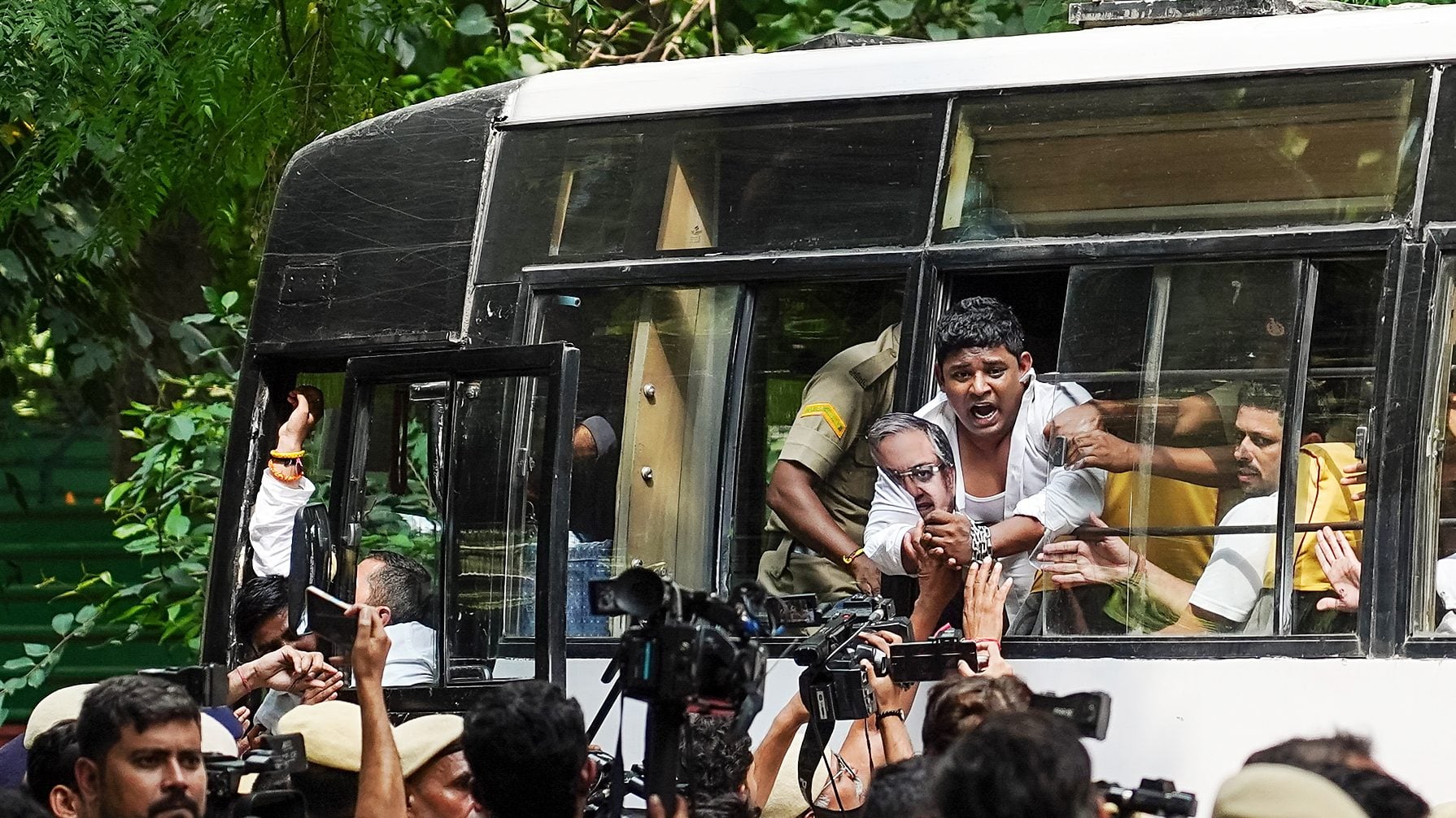
Opposition parties are protesting and demanding resignations.
The Supreme Court said the older voter roll could be used as evidence, but it was not a required condition for voting.
The article says the Election Commission should publicly explain what happened.

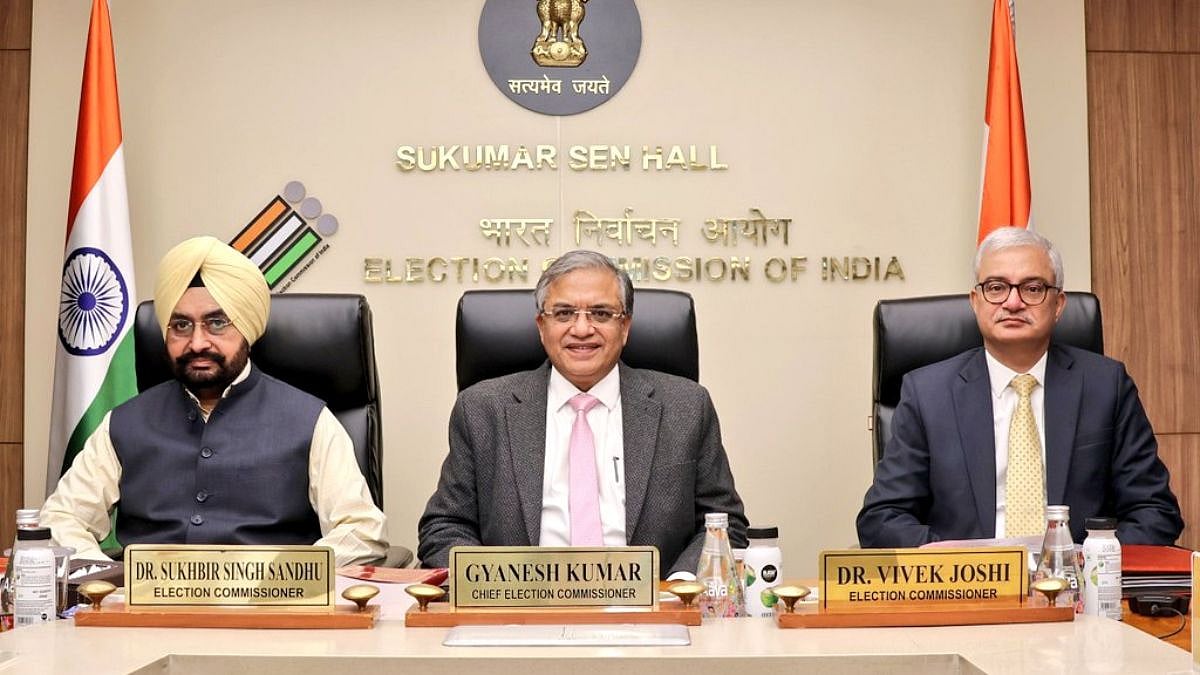
Congress and other Opposition parties are protesting the Election Commission’s silence over alleged disagreements among its three commissioners.
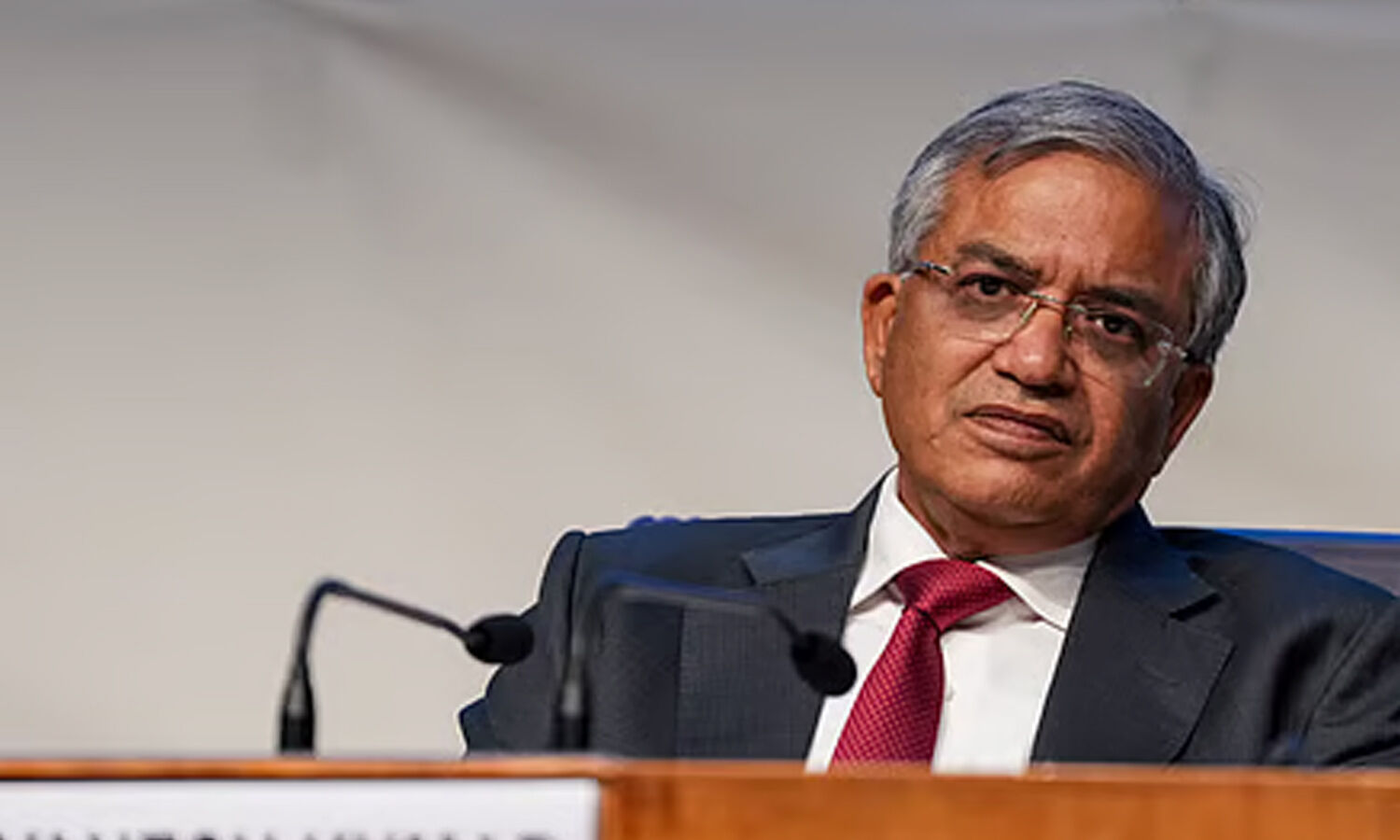
Chief Election Commissioner Gyanesh Kumar reportedly changed Form 6 to require answers about applicants’ or relatives’ presence in the 2003 electoral roll.
Election Commissioners Vivek Joshi and Sukhbir Singh Sandhu reportedly questioned both the legal authority and procedure used to make the changes.
The Supreme Court allowed the Election Commission to conduct limited citizenship inquiries but did not make the 2003 roll a statutory voting condition.
The article calls for a press conference to clarify the Form 6 changes, the Special Intensive Revision, and claims of “Vote Chori.”
- Who
- Chief Election Commissioner Gyanesh Kumar, Election Commissioners Vivek Joshi and Sukhbir Singh Sandhu, the Congress and other Opposition parties, and the Election Commission of India.
- What
- A dispute over changes to Form 6 and the Election Commission’s handling of questions connected to the 2003 electoral roll and the Special Intensive Revision.
- Where
- The protests took place in several parts of India, including New Delhi, while the issue was also considered by the Supreme Court.
- When
- The changes were made in July 2026, according to the article; the protests and legal dispute are described as ongoing.
- Why
- The reported disagreement concerns whether the Election Commission had authority to alter Form 6 on its own and whether requiring links to the 2003 electoral roll could burden applicants.
Opposition and Reported Internal Critics
Election Commission’s Reported Position
Authority to change Form 6
Opposition and Reported Internal Critics
The Opposition and the two reportedly dissenting commissioners argue that the Commission lacked authority to amend the form and that the change should have gone through the government’s formal rule-making process.
Election Commission’s Reported Position
The reported action by Chief Election Commissioner Gyanesh Kumar indicates that the Commission proceeded with the Form 6 changes without referring them for a government notification.
Use of the 2003 electoral roll
Opposition and Reported Internal Critics
Critics argue that voting eligibility should depend on factors such as age, citizenship, and address, not whether an applicant’s parents or grandparents appeared in an earlier roll. They also cite difficulties for people, particularly married women, in establishing such family links.
Election Commission’s Reported Position
The Election Commission’s counsel said the 2003 roll was used as an evidentiary reference during house-to-house verification, with people linked to it facing a lighter document requirement rather than an automatic voting condition.
Meaning of “Vote Chori” and voter additions
Opposition and Reported Internal Critics
Opposition protests have framed the issue as part of wider concerns about the electoral process and have expanded to demands for the resignations of the CEC and the Prime Minister.
Election Commission’s Reported Position
The article says the reported addition of 2.73 crore people aged 18–28 should not automatically be treated as a first-time-voter figure, because it also includes people whose records were later added or updated.
Key facts
- Form 6 purpose
- It is used by first-time voters to register and become eligible to vote.
- Reported Form 6 change
- Applicants were required to state whether their names, or those of their parents or grandparents, appeared in the 2003 electoral roll.
- Reported objectors
- Election Commissioners Vivek Joshi and Sukhbir Singh Sandhu reportedly opposed the change.
- Decision-maker identified
- Chief Election Commissioner Gyanesh Kumar reportedly proceeded with the changes.
- Legal provision cited
- The article says Section 28 of the Representation of the People Act, 1950, requires the Centre to frame or amend relevant rules after consulting the Election Commission.
- Supreme Court position
- The Court upheld a limited inquiry into citizenship for electoral purposes but did not make inclusion in the 2003 roll a statutory voting condition.
- Electoral-roll figure
- The Election Commission reportedly said 2.73 crore people aged 18–28 were added to electoral rolls after the Special Intensive Revision.
Sources
Related news

Election Commissioners Challenge Form 6 Changes Linked to SIR
Former CEC Calls Form 6 Changes Illegal Amid EC Rift
Plea Seeks Prosecution of CEC Gyanesh Kumar Over ECI Decisions

Two Election Commissioners Raise 14 Objections Over SIR Decisions
Election Commission Faces Scrutiny Over Electoral Roll Procedures
India's Controversial Electoral Roll Revision Faces Internal and Public Scrutiny

Congress Accuses Election Commission Over ‘Mark VIP’ Voter Feature
Bengal BJP Chief Praises Gyanesh Kumar Amid Election Commission Row
NDA Allies Seek Election Commission Clarity Over SIR Controversy

Why Removing Chief Election Commissioner Gyanesh Kumar Takes Time