1 hr ago
Plea Seeks Prosecution of CEC Gyanesh Kumar Over ECI Decisions
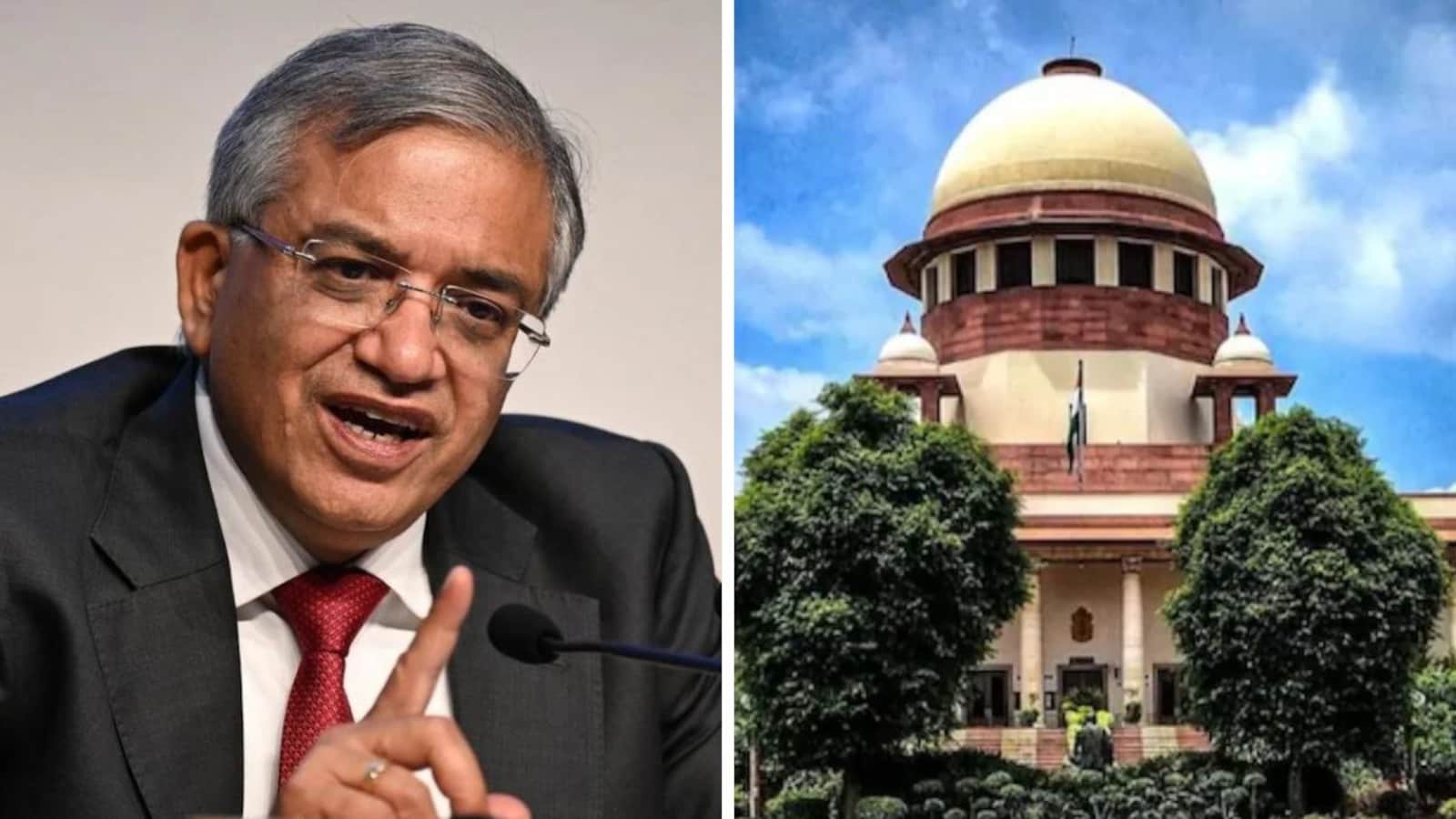
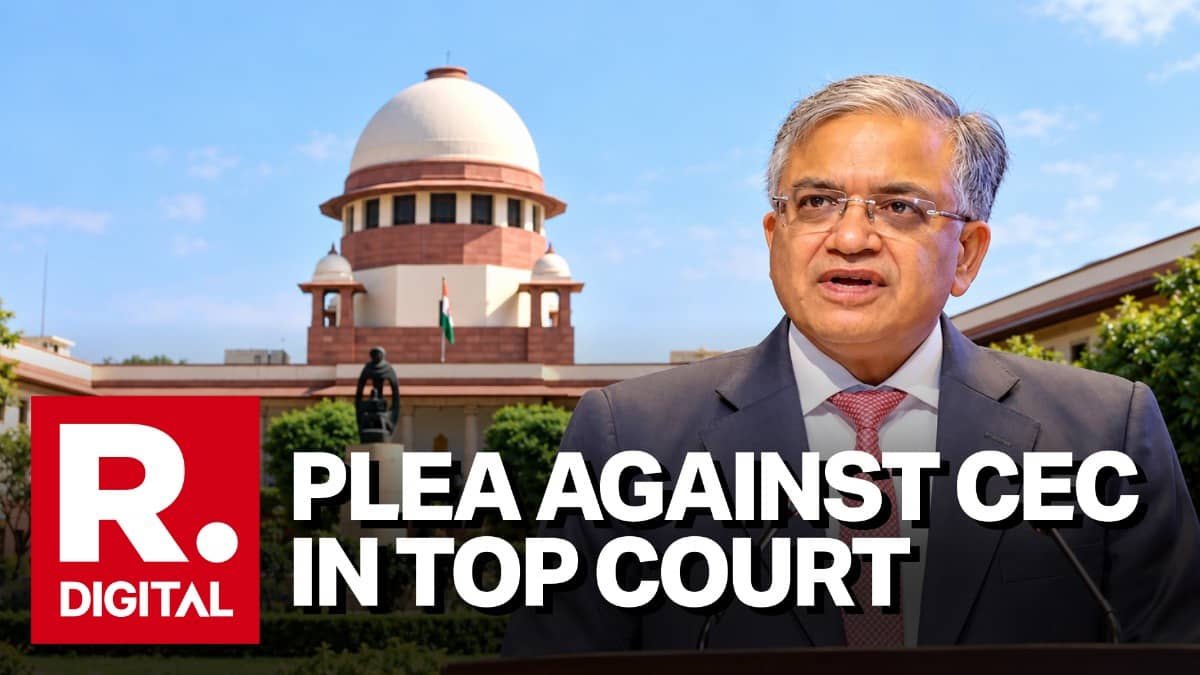
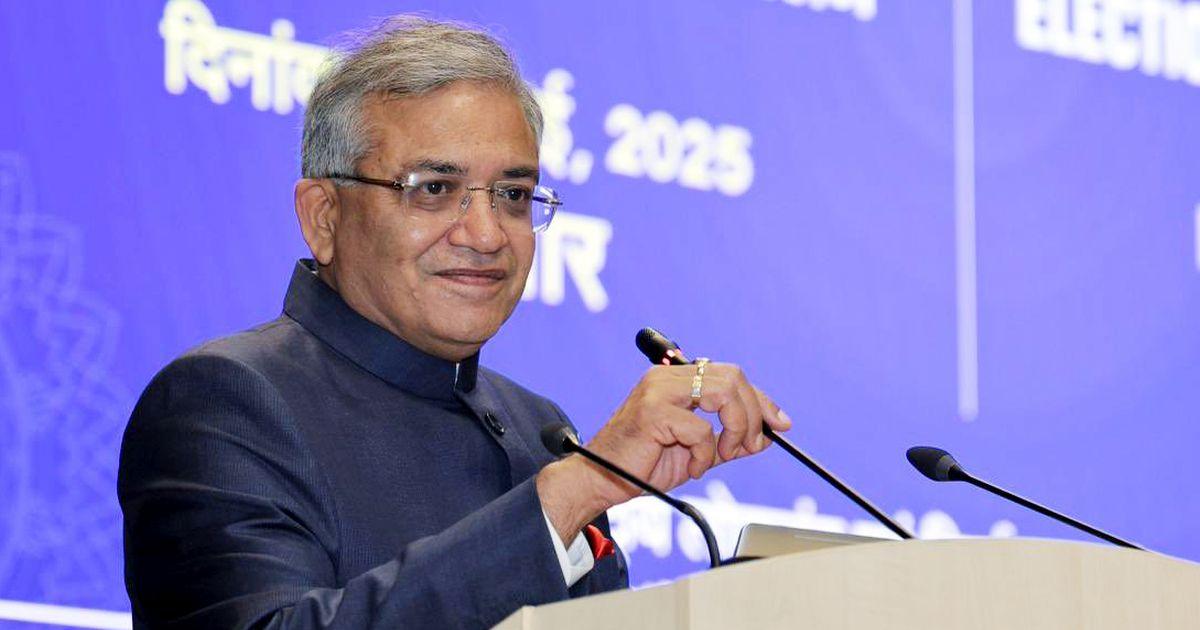
A petition has been filed in India’s Supreme Court against Chief Election Commissioner Gyanesh Kumar.
The petitioner says some election-related decisions were made without agreement from the other two commissioners.
The dispute includes a form called Form 6, which new voters use to register.
The petitioner says extra requirements were added to the process and could exclude eligible voters.
The petition also questions how election data and computer systems are controlled.
It asks for an investigation into the alleged removal of about 13 crore names from voter lists.
The Election Commission says all its decisions were approved together and that Form 6 itself was not changed.
The Supreme Court has not established these allegations by accepting the petitioner’s claims.

A Supreme Court petition seeks prosecution of Chief Election Commissioner Gyanesh Kumar over alleged unilateral Election Commission decisions.
The plea challenges reported changes involving Form 6, electoral-roll data management and software controls.
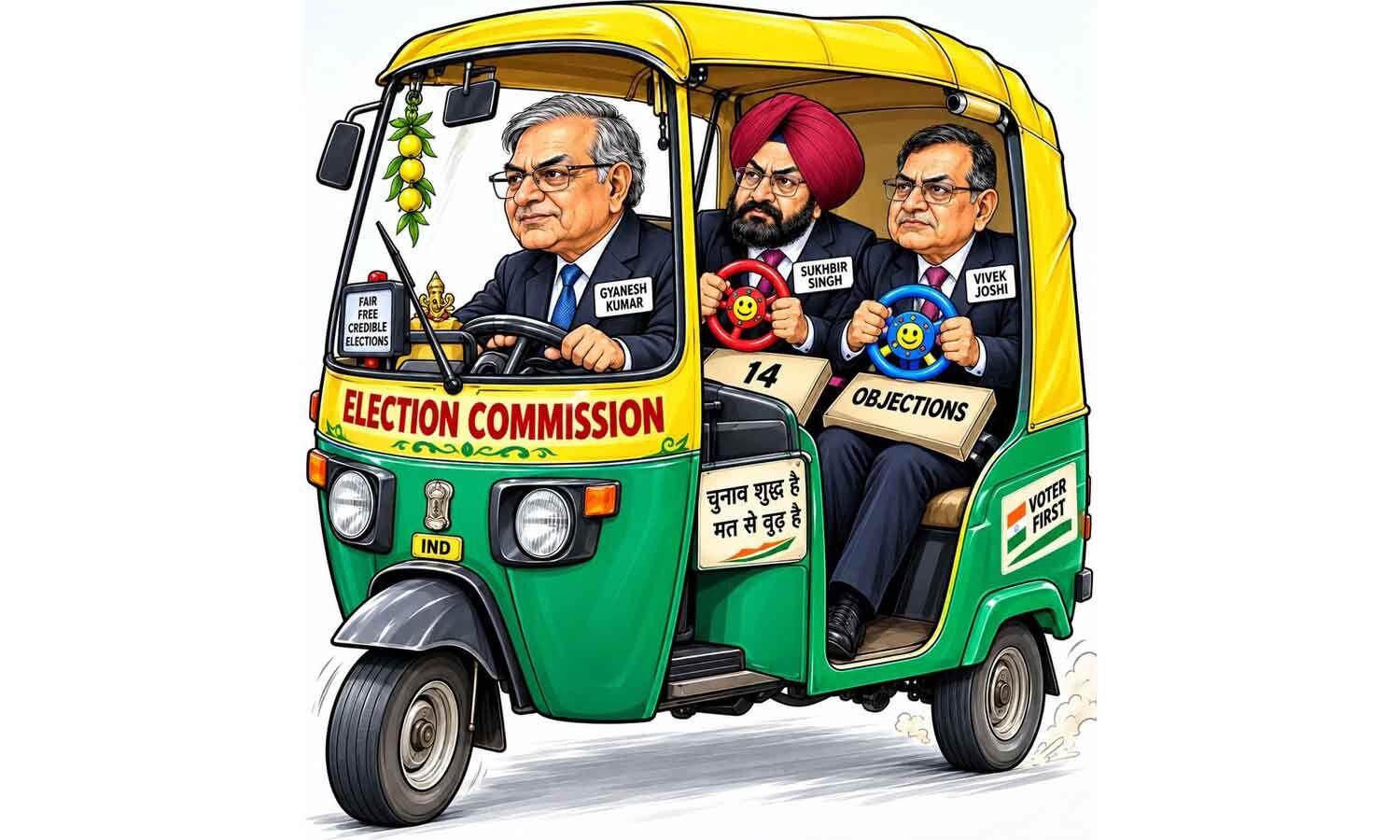
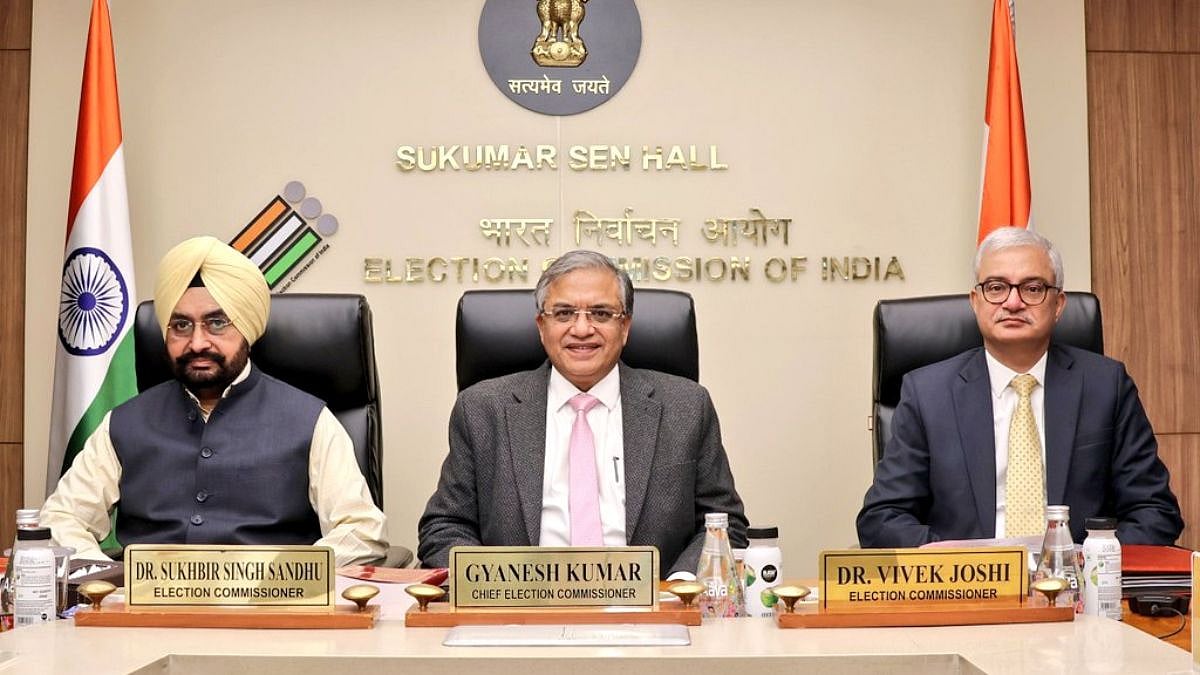
It alleges that Election Commissioners Sukhbir Singh Sandhu and Vivek Joshi recorded at least 14 objections over decisions related to the voter-roll revision.
The petitioner seeks restoration of the original Form 6 and an SIT investigation into the alleged removal of around 13 crore voter names.
The Election Commission says its decisions were unanimous, Form 6 was not amended, and ECINET is a decentralised system.
- Who
- Advocate Shailendra Mani Tripathi filed the petition against Chief Election Commissioner Gyanesh Kumar; it also names Maneesh Garg and Seema Khanna.
- What
- The plea seeks prosecution, declarations invalidating allegedly non-consensual decisions, restoration of the original Form 6 and an SIT inquiry.
- Where
- The plea was filed in the Supreme Court of India.
- When
- It was filed days after reports described objections by two Election Commissioners during the ongoing Special Intensive Revision.
- Why
- The petitioner alleges that election-roll, Form 6 and digital-system decisions were taken without the concurrence of the other two commissioners and may have excluded eligible voters.
Petitioner and Critics
Election Commission Response
Decision-making
Petitioner and Critics
The petition alleges that Gyanesh Kumar took several decisions without the concurrence of the other two Election Commissioners, despite their reported objections.
Election Commission Response
The Election Commission says all decisions taken during the relevant period were unanimous and that differing views can occur during institutional deliberations.
Form 6 requirements
Petitioner and Critics
The petitioner challenges an additional declaration connected with Form 6 and seeks restoration of the original form, arguing that the change could affect new and eligible voters.
Election Commission Response
The Election Commission says Form 6 itself was not amended and that the additional declaration was separately introduced for the Special Intensive Revision.
Electoral-roll technology
Petitioner and Critics
The petition and reported objections raise concerns that electoral-roll data and software controls were centralised, potentially weakening oversight.
Election Commission Response
The Election Commission describes ECINET as a decentralised system operating under electoral laws and Commission instructions.
Key facts
- Petitioner
- Advocate Shailendra Mani Tripathi
- Primary respondent
- Chief Election Commissioner Gyanesh Kumar
- Other officials named
- Senior Deputy Election Commissioner Maneesh Garg and Director General (IT) Seema Khanna
- Reported objections
- At least 14 formal objections by Election Commissioners Sukhbir Singh Sandhu and Vivek Joshi
- Disputed process
- Special Intensive Revision of electoral rolls
- Voter-roll allegation
- The plea seeks an inquiry into the alleged deletion of around 13 crore voter names
- Legal provision cited
- Section 32 of the Representation of the People Act
Quotes

Election Commission
India’s constitutional election management body responding to a report about objections within the commission
“differing views and observations are a normal part of deliberation in any institution.”
 NDTV
NDTV
Sources
Related news

Opposition demands CEC removal after reported Election Commission dissent

Two Election Commissioners Raise 14 Objections Over SIR Decisions
Opposition Demands CEC Gyanesh Kumar’s Removal Over SIR Dissent
Election Commission Faces Scrutiny Over Electoral Roll Procedures

Election Commission Dispute Reignites Major Vote Chori Controversy
Opposition Plans Third Motion to Remove Election Chief
Amitav Ghosh Backs Calls for Election Chief’s Resignation

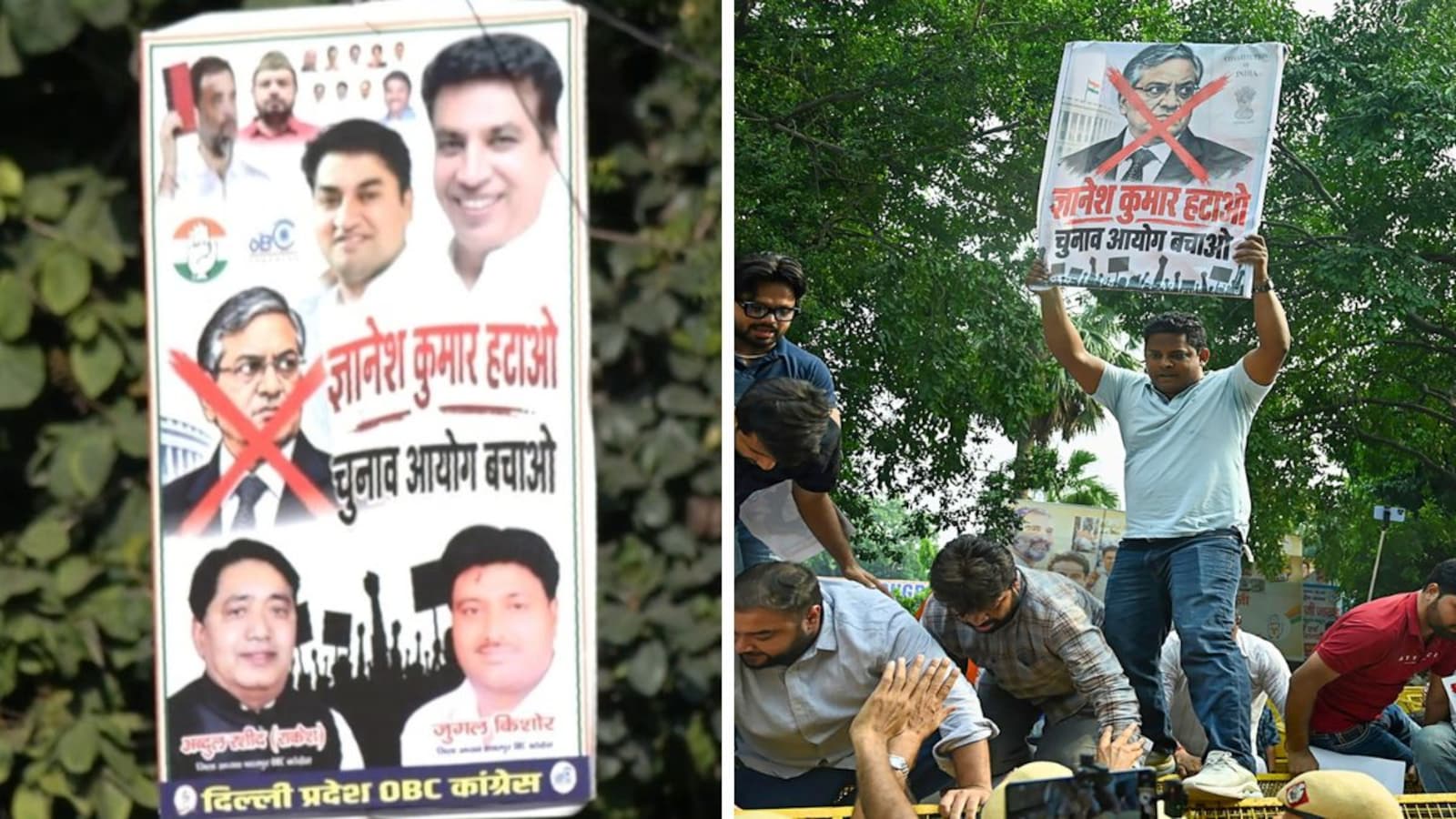
Punjab Congress Protests, Demands CEC Gyanesh Kumar’s Dismissal
Paswan urges poll chief to clarify amid Election Commission rift

CJP Threatens October 2 Protest Over Gyanesh Kumar