

2 hrs ago
US Mortgage Rates Reach 19-Month High, Squeezing Homebuyers
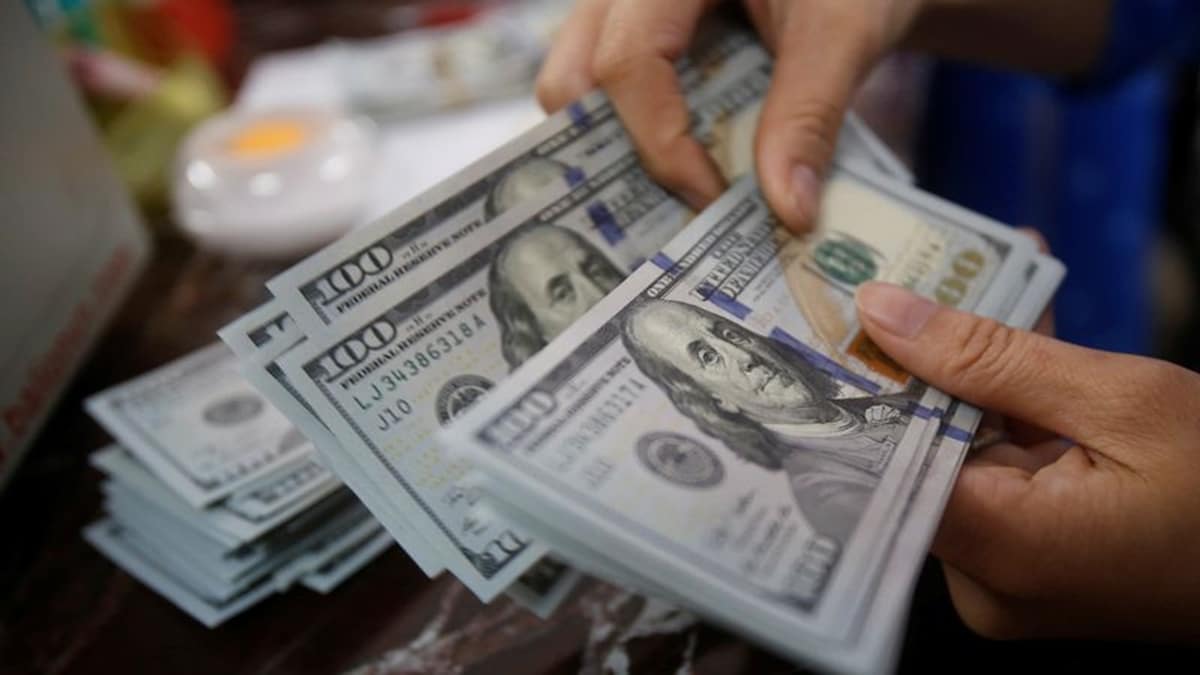
The typical US mortgage now has an interest rate of 7.24%.
This is the highest rate in 19 months.
Someone borrowing $500,000 would pay more than $3,400 each month.
That is about $405 more per month than seven months ago.
Higher payments make it harder for families to afford homes.
Some buyers may wait instead of purchasing.
Rates have risen as inflation worries, oil prices and bond yields increased.
The Federal Reserve also raised its key interest rate and indicated another increase could happen later this year.
Pending home sales showed that the housing market may remain slow.

The average US 30-year mortgage rate rose to 7.24%, its highest level in 19 months.
Monthly payments on a $500,000 mortgage now exceed $3,400, about $405 more than seven months ago.
Mortgage rates have risen 125 basis points since late February, when the average briefly fell to 5.98%.
Higher inflation expectations, surging oil prices, Treasury yields and Federal Reserve policy have pushed borrowing costs higher.
Pending home sales rose 0.3% from July but fell 4.7% from August last year, signaling continued housing-market weakness.
- Who
- US homebuyers, lenders, bond-market investors, the Federal Reserve and the National Association of Realtors are involved.
- What
- The average 30-year US mortgage rate reached 7.24%, increasing borrowing costs and weighing on housing activity.
- Where
- Across the United States and in the US housing and bond markets.
- When
- The rate reached its 19-month high after rising from a late-February low of 5.98%; the article also cites Federal Reserve action on Wednesday and housing data released Thursday.
- Why
- Inflation expectations, higher oil prices, rising Treasury yields and Federal Reserve policy have increased the cost of borrowing.
Housing Costs and Market Impact
Inflation Control and Financial Policy
Effect of higher rates
Housing Costs and Market Impact
Homebuyers face substantially higher monthly payments, reduced purchasing power and possible delays in buying.
Inflation Control and Financial Policy
Higher borrowing costs can result from efforts to contain surging inflation and from bond investors adjusting to economic conditions.
Federal Reserve rate increase
Housing Costs and Market Impact
A higher short-term policy rate may add upward pressure to mortgage rates and further weaken housing demand.
Inflation Control and Financial Policy
The Federal Reserve raised its key rate to tame inflation and signaled that another increase could occur later this year.
Key facts
- Average 30-year mortgage rate
- 7.24%
- Rate high
- Highest level in 19 months
- Late-February low
- 5.98%
- Payment on $500,000 loan
- More than $3,400 per month
- Payment increase
- About $405 per month, or approximately $4,860 annually, compared with seven months earlier
- Pending home sales
- Up 0.3% from July and down 4.7% from August of the previous year
- 10-year Treasury yield
- 4.94% at midday Thursday, after breaching 5% on Monday
Sources
Related news

US Mortgage Rates Rise to Highest Level Since July 2025
Federal Reserve Raises Rates, Signals Another Hike This Year
Thirty-Year US Treasury Yield Hits 5.34% as Oil Stokes Inflation
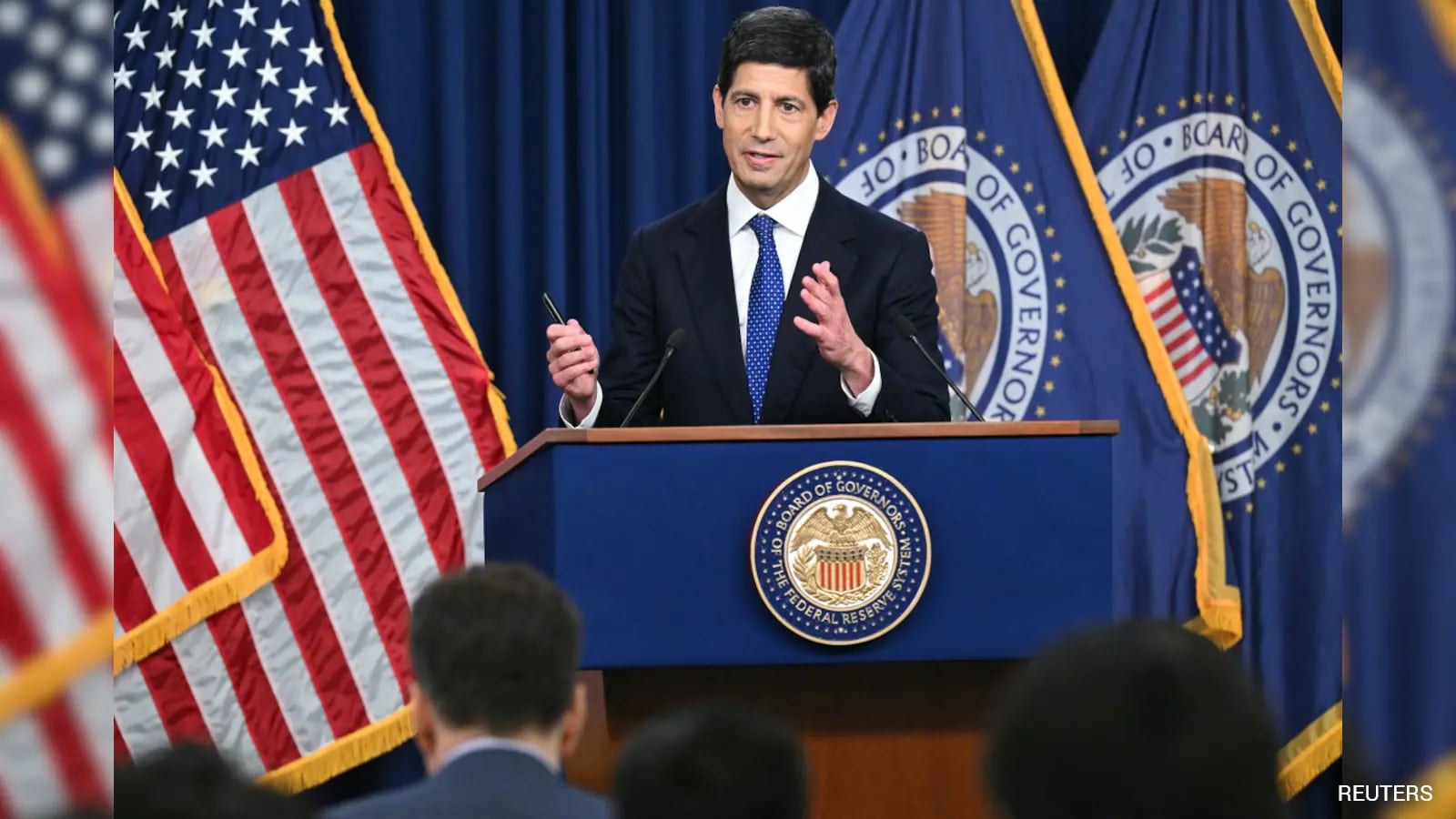
Fed Raises Rates as Inflation Mounts, Defying Trump

US 10-Year Treasury Yield Hits Highest Level Since 2007

Fed Rate Hike Raises Borrowing Costs Across Economy
