

3 hrs ago
US 10-Year Treasury Yield Hits Highest Level Since 2007

The US government’s 10-year borrowing rate climbed to its highest point since 2007.
This rate helps influence the cost of mortgages, car loans and business borrowing.
Investors think the Federal Reserve may raise interest rates because inflation is still high.
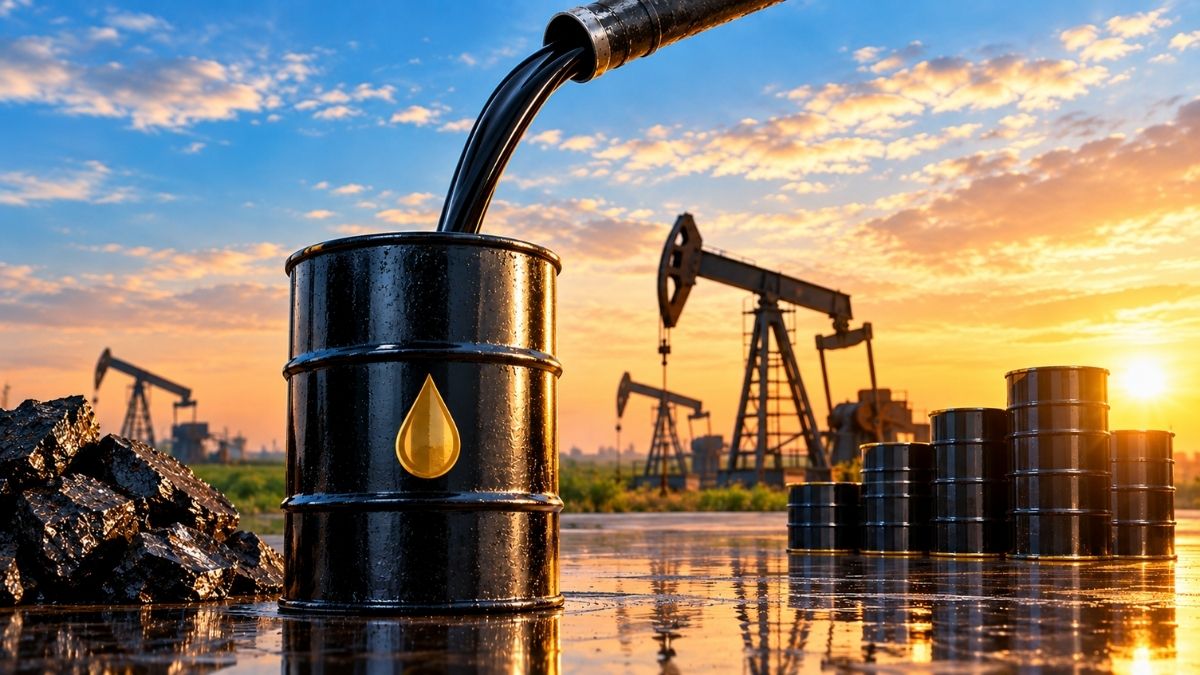
Oil prices have also increased, partly because of reported fighting involving the United States and Iran.
More expensive oil can make transportation, goods and household expenses cost more.
Higher borrowing costs and energy prices may cause companies and families to spend less.
The US Treasury has tried to support the bond market, but yields remain high.
President Donald Trump wants lower rates, putting him at odds with expectations for another Fed increase.

The 10-year Treasury yield rose to 5.041% on September 15, its highest level since July 2007.
Higher-than-expected consumer inflation and elevated crude prices pushed traders’ odds of a Federal Reserve rate hike above 90%.
Rising Treasury yields could increase mortgage, auto-loan and corporate borrowing costs while weakening consumer demand.
The article links higher oil prices to reported US-Iran hostilities and disruptions around the Strait of Hormuz.
US Treasury buyback operations have done little to calm bond investors, while Donald Trump continues to call for lower interest rates.
- Who
- The Federal Reserve, bond investors, the US Treasury Department and President Donald Trump are central to the report.
- What
- The US 10-year Treasury yield reached 5.041%, while expectations for a Federal Reserve rate hike strengthened.
- Where
- The US Treasury market, amid reported disruptions near the Strait of Hormuz and alternative energy routes.
- When
- September 15; traders were anticipating the Federal Reserve’s decision on Wednesday.
- Why
- Higher-than-expected inflation, elevated crude oil prices and concerns about persistent price pressures increased expectations of a rate hike.
Rate-Hike Advocates
Lower-Rate Advocates
Response to inflation
Rate-Hike Advocates
Federal Reserve policymakers and market participants cited stubbornly high inflation, higher consumer prices and elevated oil costs as reasons to support another rate increase.
Lower-Rate Advocates
Donald Trump has called for sharply lower interest rates, arguing that cheaper borrowing could produce an unprecedented economic boom.
Economic consequences
Rate-Hike Advocates
Higher rates may be needed to contain price pressures and keep inflation moving toward the Fed’s 2% target.
Lower-Rate Advocates
Higher borrowing costs could weigh on corporate investment, household budgets, consumer demand and major AI-infrastructure spending plans.
Bond-market conditions
Rate-Hike Advocates
Bond investors have kept yields elevated despite expanded Treasury buyback operations, reflecting continuing concerns about inflation and borrowing costs.
Lower-Rate Advocates
The Treasury’s buyback operations were intended to stabilize the bond market, but the article says they have done little to reduce those concerns.
Key facts
- 10-year Treasury yield
- 5.041%, the highest level reported since July 2007
- Rate-hike probability
- Traders priced in a more than 90% chance of a Federal Reserve increase
- Inflation
- The latest consumer inflation report was higher than expected and inflation remained above the Fed’s 2% target
- Oil price
- Brent crude briefly reached $110 per barrel earlier in the week
- Market impact
- Higher yields can raise mortgage, auto-loan and corporate borrowing costs
- Treasury response
- Expanded US Treasury buyback operations have not eased bond-market concerns
- Political disagreement
- Donald Trump called for lower interest rates, while markets expected a Fed hike
Sources
Related news
Thirty-Year US Treasury Yield Hits 5.34% as Oil Stokes Inflation
US 10-Year Treasury Yield Reaches 5% Ahead of Fed Decision
U.S. 10-Year Treasury Yield Briefly Tops Key 5% Level

U.S. Treasury Yields Ease as Jobs Data Misses Expectations

Global Bond Selloff Pushes 10-Year Treasury Yield Toward 5%
Trump Seeks Rate Cuts as Warsh Faces Bond Market Test

US Says It Destroyed Iranian Boats Over Drone Attempt

Houthi Chokepoint Seizure Exposes Deep Divisions Inside BRICS

Asian Buyers Dump LNG as Conflict Disrupts Middle Eastern Supplies
India’s Crude Basket Nears $130, Reviving Fiscal and Inflation Worries
