3 weeks ago
UPI Growth Slows to 23.5% in FY27 Amid MDR Debate
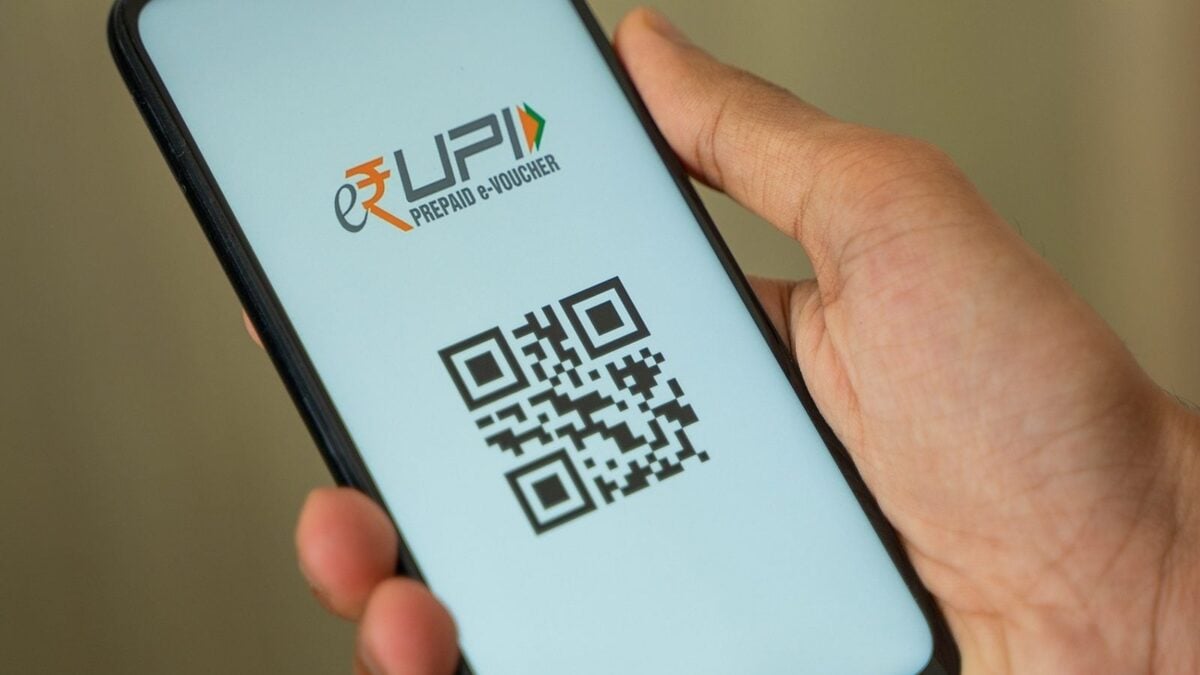
India has a payment system called UPI that lets people pay using their phones.
It is used for nearly 9 out of every 10 digital payments in the country.
This year, UPI is growing more slowly than last year.
Last year it grew by 33.5%, but this year it has grown by only 23.5%.
That is still a lot, but it shows the fast growth is slowing down.
One reason is that companies used to give big cashback offers, and many of those have been reduced.
There is also a debate about whether shops should pay a fee for UPI payments.
Right now, shops pay no fee, which helped many small businesses start using UPI.
Some payment companies want a fee so they can earn money and improve the system.
The government is thinking about charging a small fee on very large payments made by big merchants.

NPCI data shows UPI processed about 92 billion transactions between April and July of FY27, up from 74.5 billion in the same period a year earlier.
Year-on-year transaction growth slowed to 23.5% in FY27 so far, compared with 33.5% growth during the same four-month period of FY26.
The slowdown coincides with a renewed policy debate over the Merchant Discount Rate (MDR), with fintech firms citing the absence of a sustainable revenue model.
The Lok Sabha passed the Taxation and Other Laws (Amendment) Bill, 2026 on August 6, which could create a legislative framework for imposing MDR on select UPI transactions.
Transaction value growth improved to around 20% in April-July FY27 from 18.5% in FY26, and UPI accounts for nearly 88% of all digital transactions in India.
- Who
- National Payments Corporation of India (NPCI), fintech companies, payment firms, the Lok Sabha, and merchants in India.
- What
- UPI transaction volume growth slowed to 23.5% in FY27 so far, from 33.5% a year earlier, amid debate over introducing a Merchant Discount Rate (MDR).
- Where
- India.
- When
- April-July of FY27, with the report published on August 10, 2026; the Lok Sabha passed the relevant bill on August 6, 2026.
- Why
- Growth moderated as cashback incentives were scaled back and fintech firms shifted focus to profitability, while debate continues over whether the zero-MDR policy reduces incentives to invest in the UPI ecosystem.
Pro-MDR (Industry) View
Zero-MDR (Adoption) View
Merchant Discount Rate (MDR) on UPI
Pro-MDR (Industry) View
Fintech companies and payment service providers argue that the absence of a sustainable revenue model has reduced incentives for banks and payment firms to invest in expanding the UPI ecosystem.
Zero-MDR (Adoption) View
Supporters of the zero-MDR framework contend that UPI is critical digital public infrastructure similar to Aadhaar, and that keeping transactions free for merchants has driven adoption among small businesses and underserved segments.
MDR on high-value transactions by large merchants
Pro-MDR (Industry) View
The government is reportedly considering levying an MDR of 0.25% to 0.30% on high-value transactions carried out by large merchants, and the newly passed bill could create the legislative framework for such charges.
Zero-MDR (Adoption) View
Supporters argue that keeping transactions free for merchants has been instrumental in driving adoption across small businesses, and introducing charges could slow further penetration of digital payments.
Key facts
- UPI transactions (April-July FY27)
- ~92 billion
- Year-on-year growth (FY27 so far)
- 23.5%
- Year-on-year growth (same period FY26)
- 33.5%
- UPI share of digital transactions
- ~88%
- Monthly UPI transactions
- Over 23 billion
- Cumulative monthly transaction value
- Nearly Rs 30 lakh crore
- Current MDR policy
- Zero MDR since January 2020
- Reported proposed MDR rate
- 0.25% to 0.30% on high-value large merchant transactions
Sources
Related news
UPI at 10: India's biggest payments system faces fee challenge

India’s UPI Revolution Faces Its Next Financial Test

UPI MDR Above ₹2,000 May Begin Within Two Weeks
India examines restoring MDR as UPI costs outpace support
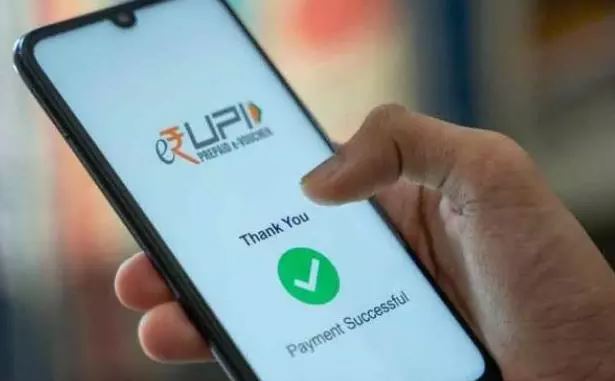
India Moves to Allow Merchant Fees on UPI Transactions

UPI Accepted in 11 Countries, But Payments Vary
Axis Bank Adds Separate UPI Limits for Payment Categories

Credit Card Transactions Surge as Average Spending Falls in July
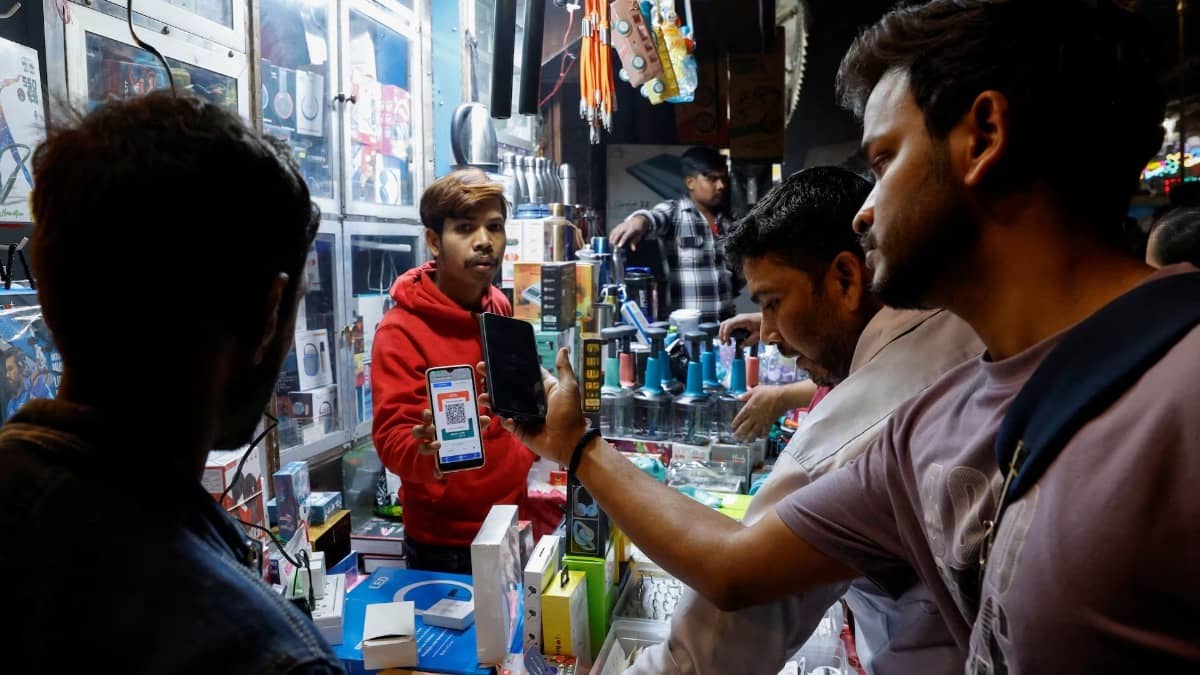
India Plans Agentic AI Payments Through Popular UPI Network

India’s Banking Summit Maps AI’s Responsible Financial Frontier