9 hrs ago
Global Bond Selloff Deepens as Oil and Debt Fears Rise

Governments borrow money by selling bonds.
When investors sell bonds, their prices fall and their yields, or interest rates, rise.
This can make mortgages and other loans more expensive.
Bond yields rose in the United States, Japan, Australia and several European countries.
Investors are worried that higher oil and gas prices could keep inflation high.
They are also concerned that governments have large debts and need to borrow more.
Technology companies raising money for artificial-intelligence projects are adding to competition for investors’ money.
Some experts think yields could rise further, while others say stronger growth from artificial intelligence could help economies manage higher rates.

The U.S. 10-year Treasury yield reached 4.81%, a near three-year high, with 5% seen as possible.
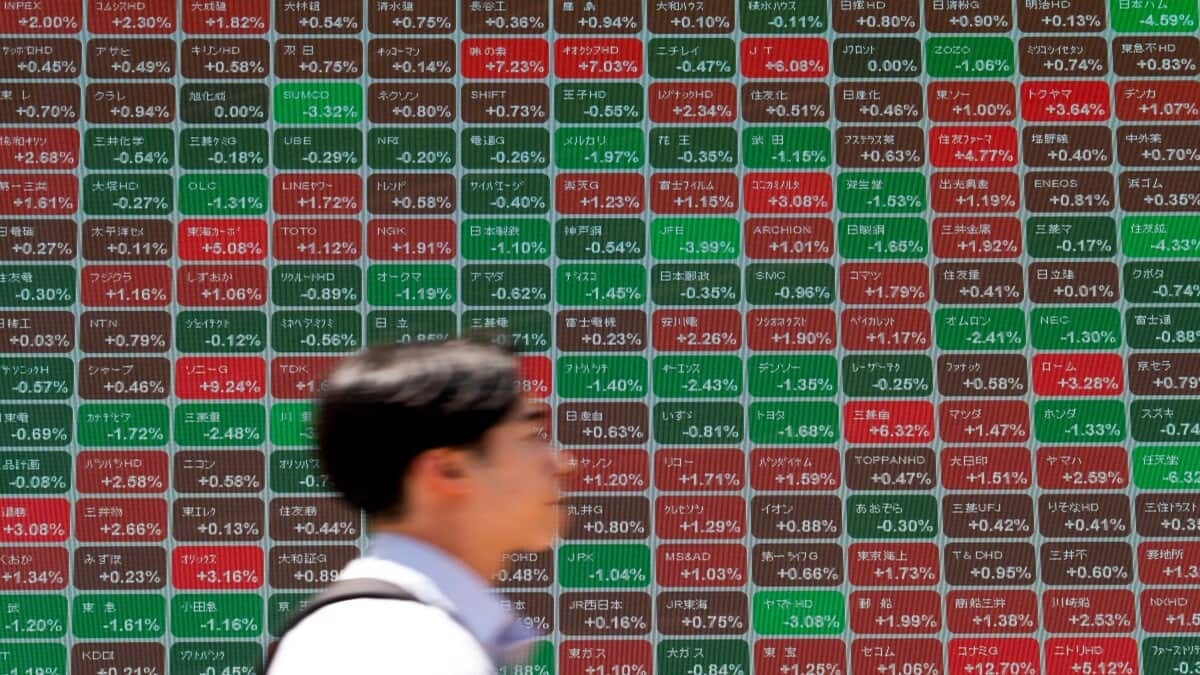
Japan’s 10-year yield rose above 3%, its highest level in 30 years, while Australia’s reached 5.198%.
Higher energy prices linked to the Middle East conflict are strengthening investor fears about inflation and interest-rate increases.
Investors are demanding higher returns amid fiscal risks, rising government debt and heavy bond issuance.
Markets priced in a European rate hike the following week and roughly a 68% chance of a U.S. rate hike afterward.
- Who
- Global bond investors, governments, central banks, technology companies and financial strategists are involved; the Federal Reserve is a key focus.
- What
- Government bond prices fell sharply worldwide, pushing yields and borrowing costs to multi-year or multi-decade highs.
- Where
- Across global financial markets, including the United States, Japan, Australia, Germany, France and the United Kingdom.
- When
- The selloff was reported on Wednesday, September 2; several major yield increases occurred on Tuesday and Wednesday.
- Why
- Investors are responding to higher energy prices, persistent inflation concerns, fiscal risks, rising government debt, heavy bond issuance and possible interest-rate hikes.
Risks From Higher Yields
Potential Support From Growth
How high yields may go
Risks From Higher Yields
Charu Chanana of Saxo said the selloff could overshoot, with the U.S. 10-year yield potentially reaching 5% because of inflation, fiscal risks and heavy debt issuance.
Potential Support From Growth
Chanana also said yields could become attractive enough to bring buyers back, potentially limiting the selloff.
Artificial intelligence and borrowing costs
Risks From Higher Yields
Bond sales by large technology companies funding artificial-intelligence projects are increasing competition with governments for investors’ capital and adding pressure to bond yields.
Potential Support From Growth
Naka Matsuzawa of Nomura Securities said economies may cope with higher rates if artificial-intelligence productivity gains lead to higher wages and stronger growth.
Impact on governments and markets
Risks From Higher Yields
Higher yields raise borrowing costs, complicate government spending decisions and can weigh on stock valuations and borrowers.
Potential Support From Growth
State Street’s Michael Metcalfe described the bond selloff as orderly, while stronger earnings have broadly supported global stocks.
Key facts
- U.S. 10-year yield
- Rose to 4.81%, a near three-year high; analysts said a rise toward 5% was increasingly plausible.
- Japan 10-year yield
- Moved above 3%, reaching its highest level in 30 years.
- Australia 10-year yield
- Rose to 5.198%, its highest level in more than 15 years.
- Brent crude
- Rose 1% to $95.61 per barrel after gaining nearly 6% in the previous session.
- U.S. 2-year yield
- Rose to 4.41%, its highest level since January 2025.
- European rate expectations
- Traders priced in a European rate hike the following week.
- U.S. rate expectations
- Markets assigned about a 68% chance of a U.S. rate hike the week after.
Quotes
Naka Matsuzawa
Chief macro strategist at Nomura Securities in Tokyo
“Rising JGB yields not only reflect investor concerns over Japan’s fiscal outlook, with ambitious spending plans signalled for the coming years, but also global pressure on long-term funding costs.”
 theprint.in
“The (AI-driven) productivity leap needs to translate into higher wages.”
theprint.in
Charu Chanana
Chief investment strategist at Saxo
“That means the selloff can overshoot, with 5% on the U.S. 10-year looking increasingly plausible before yields become sufficiently attractive to bring buyers back.”
theprint.in
Michael Metcalfe
Head of macro strategy at State Street
“The narrative is also getting wrapped up with longer-term concerns about the fiscal path. In France and the UK, we are going to get news on budgets soon. So, there are not many positives out there.”
theprint.in
Ed Yardeni
President of Yardeni Research
“The fear is that the bond vigilantes are on the loose and driving yields higher in protest over large government deficits.”
theprint.in
Sources
Related news
Global Bond Selloff Deepens as Debt and Inflation Fears Rise
Global Bond Sell-Off Pushes Japan Yields To 30-Year High

Global Bond Yields Surge as Inflation and Debt Risks Rise

Europe's Bond Selloff Deepens as Middle East Tensions Lift Oil

Global Bond Selloff Pushes US Treasury Yields Higher

IIM-Born CEO Says Australia’s Everyday Life Runs on Trust

UN Report Says 1.5°C Overshoot, Return Remains Possible

Uday Kotak Warns Global Bond Markets Face Roller-Coaster Volatility

Countrywide Visas Services, Reviews, and Complaints Explained

Mitsubishi Unveils Fifth-Generation Pajero as New Seven-Seat Off-Roader