

1 hr ago
IIT Guwahati Bacterium Breaks Down Toxic Textile Dye

Textile factories use dyes to give clothes bright colours.
The water left over can contain chemicals that are difficult to remove.
Researchers at the Indian Institute of Technology Guwahati found a bacterium that can break down one of these dyes.
The bacterium is called Brevundimonas sp.
AJZ05.
In laboratory tests, it removed 98.50% of a dye called Direct Blue-6.
It uses an enzyme called azoreductase to break the dye apart.
The researchers also found that the substances left after the process were not toxic.
The method still needs more testing before it can be used in factories.

Researchers identified Brevundimonas sp. AJZ05 from a native textile effluent discharge site.
The bacterium degraded 98.50% of the synthetic azo dye Direct Blue-6 in laboratory experiments.
Its azoreductase enzyme attacks the azo bond that gives the dye stability and colour.
Researchers found the resulting degradation products were non-toxic after bacterial treatment.
The team plans to immobilise the bacterium and develop a continuous treatment system for industrial use.
- Who
- Researchers at the Indian Institute of Technology Guwahati, led in the report by Associate Professor Dr Selvaraju Narayanasamy.
- What
- They identified a bacterium, Brevundimonas sp. AJZ05, that degraded 98.50% of the azo dye Direct Blue-6 in laboratory tests.
- Where
- The bacterium was isolated from a native textile effluent discharge site, and the research was conducted at the Indian Institute of Technology Guwahati.
- When
- The research has been published, while development of a practical treatment system remains ongoing.
- Why
- The aim is to develop a safer and more sustainable way to treat toxic textile wastewater and reduce reliance on energy-intensive, chemical-heavy processes.
Key facts
- Bacterium
- Brevundimonas sp. AJZ05
- Target dye
- Direct Blue-6, a synthetic azo dye
- Dye degradation
- 98.50% under optimised laboratory conditions
- Enzyme
- Azoreductase
- Enzyme activity
- 0.761 U/mL under the reported optimised conditions
- Post-treatment toxicity
- Degradation products were found to be non-toxic
- Next step
- Immobilise the bacterium in a support matrix and develop a continuous treatment system
- Publication
- Environmental Geochemistry and Health
Quotes
Dr Selvaraju Narayanasamy
Associate Professor at IIT Guwahati’s Biochemical and Environmental Engineering Laboratory
“We are now working towards translating the laboratory-scale findings into a practical and scalable wastewater treatment technology. The next step involves immobilising Brevundimonas sp. AJZ05 in a suitable support matrix to improve its stability, operational performance and reusability.”
 thebetterindia.com
“A key feature of the study is that we went beyond measuring colour removal. Our research team analysed the metabolites formed during the biodegradation process and assessed their toxicity.”
thebetterindia.com
Sources
Related news
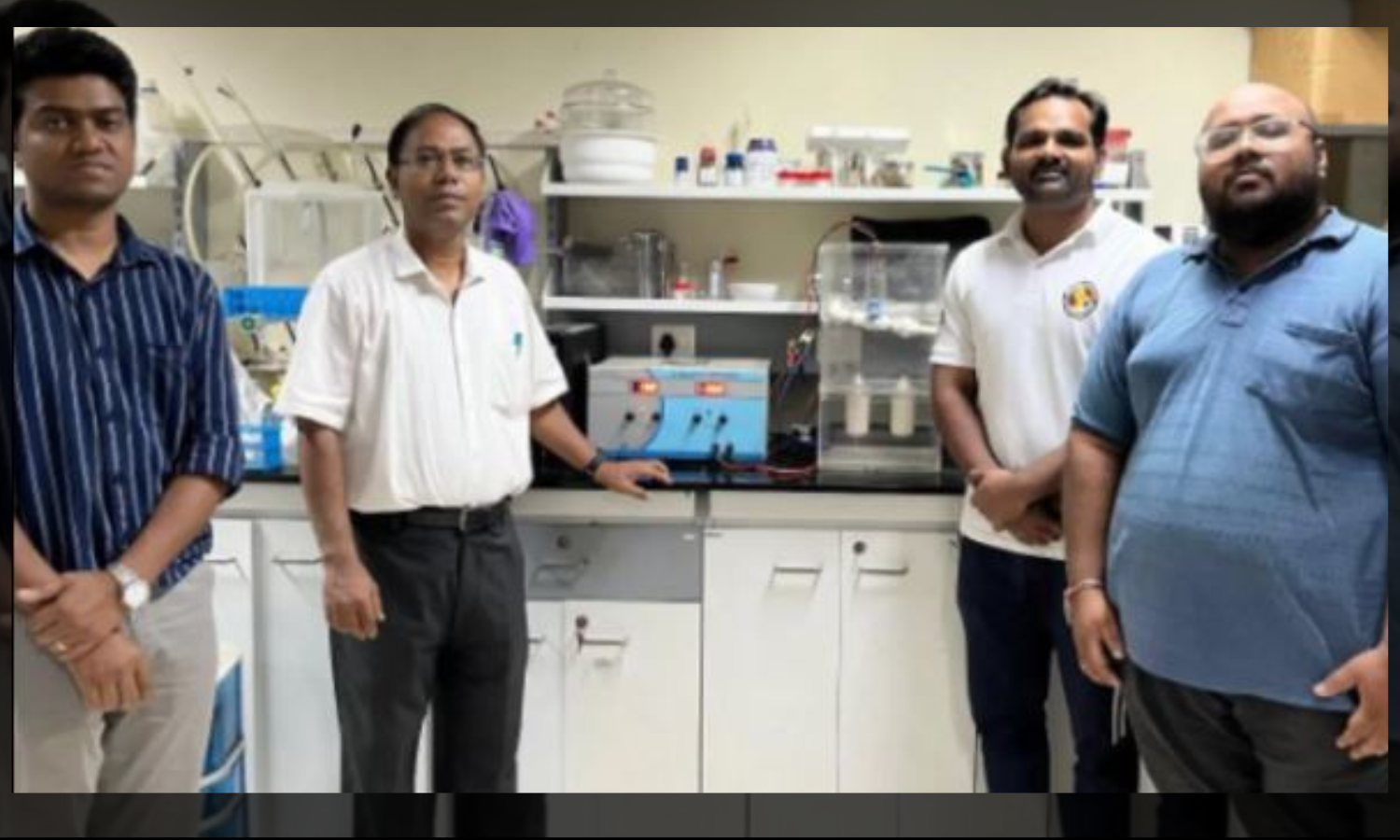
IIT Guwahati Develops Low-Cost Reactor for Arsenic, Fluoride Removal

IIT Guwahati Develops Reactor to Remove Arsenic and Fluoride
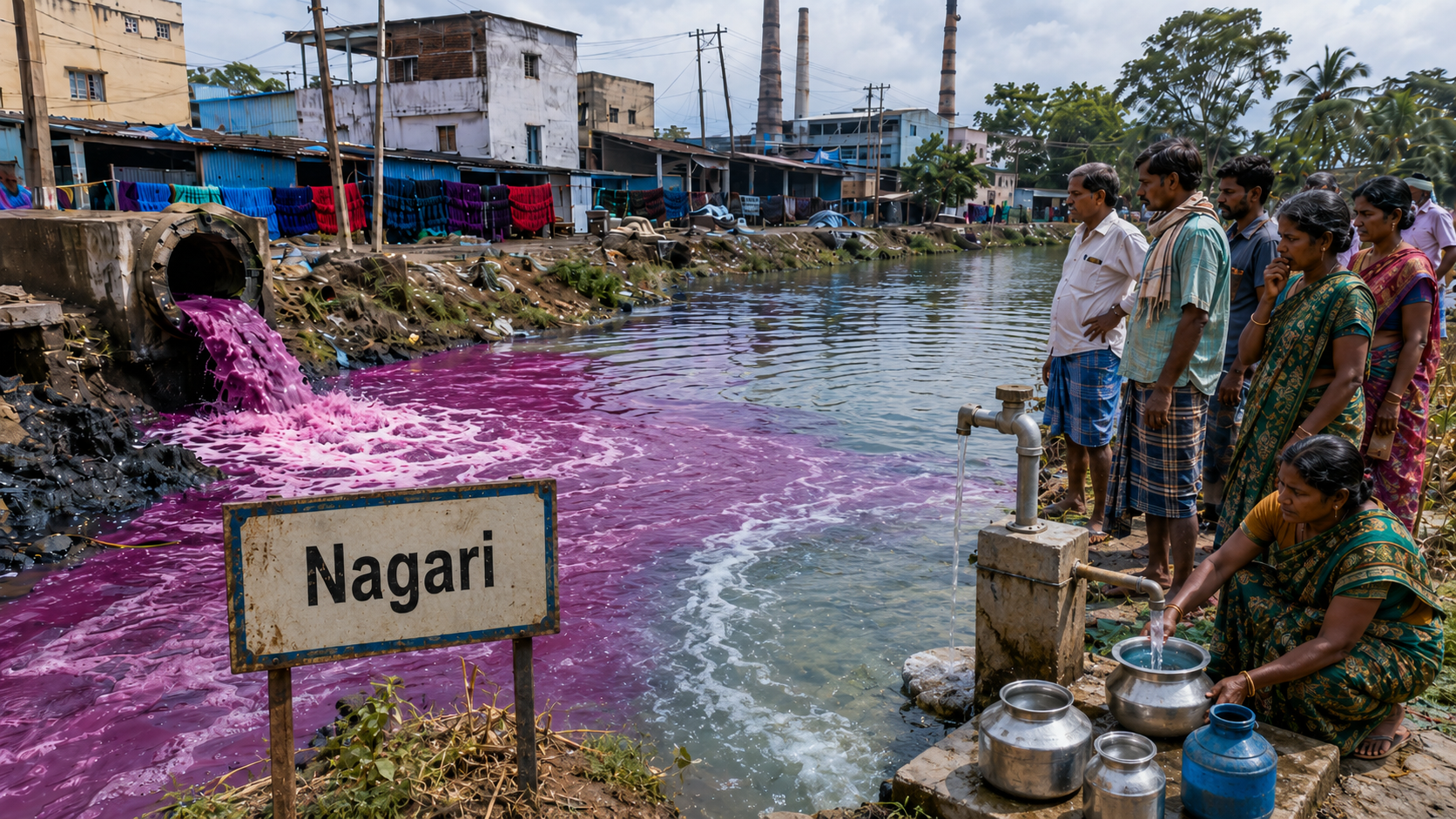
Untreated Dyeing Wastewater Continues Polluting Nagari’s Water Sources

Jojari River Pollution Ravages Rajasthan Villages as Court Orders Protection

Durgam Cheruvu Fish Deaths Linked to Severe Oxygen Depletion

Polluted Water Kills Fish in Hyderabad’s Durgam Cheruvu
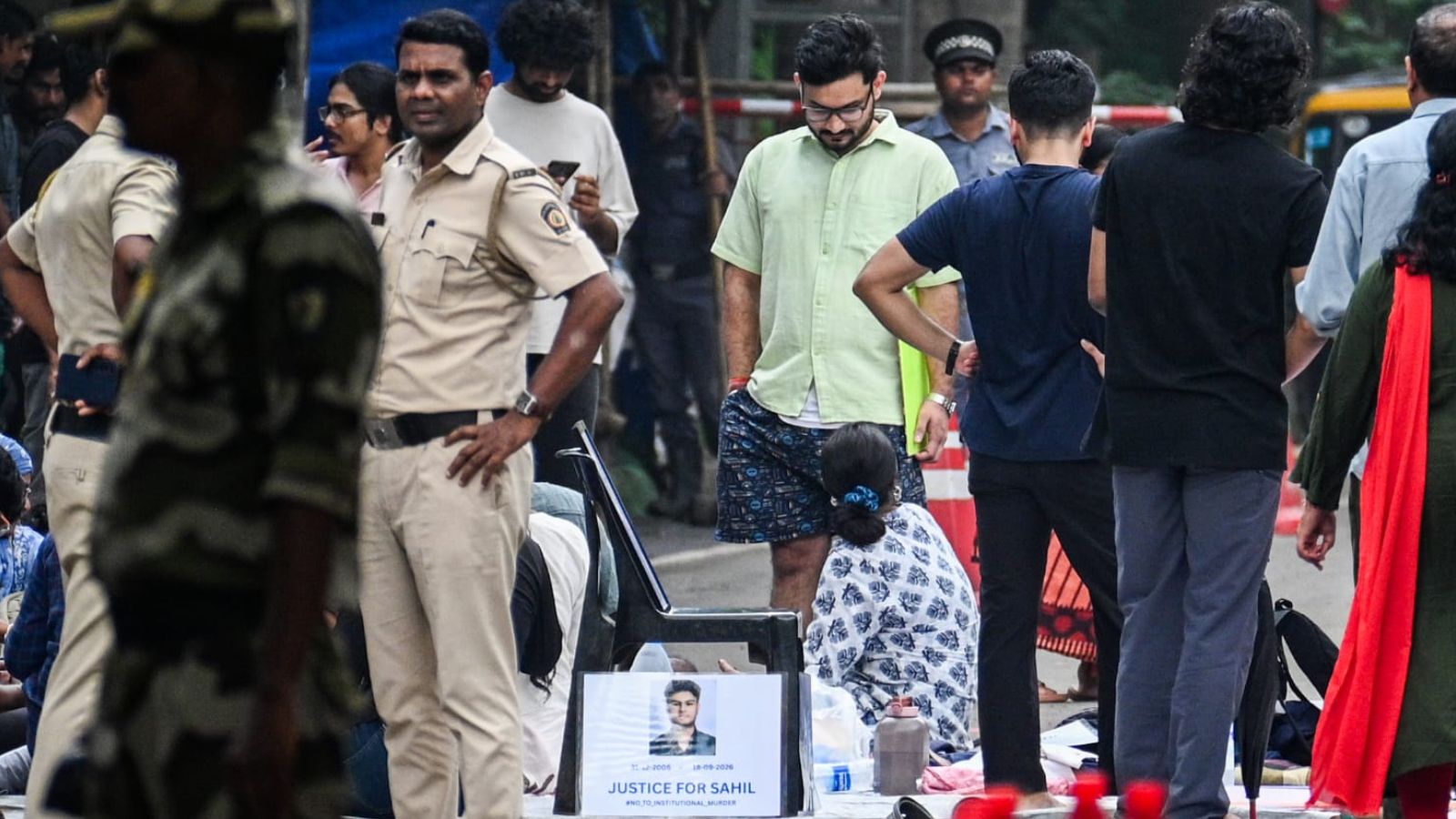
IIT Suicides Highlight Need for Early-Warning Systems Across Campuses

How IIT Guwahati Helped an Introvert Find His Path
Assam Chief Minister Unveils Vision for Technology-Driven Economic Growth
Oil India Links Samudra Manthan Mission to Energy Exploration
