1 hr ago
Why More Indians Under 35 Are Considering Bariatric Surgery
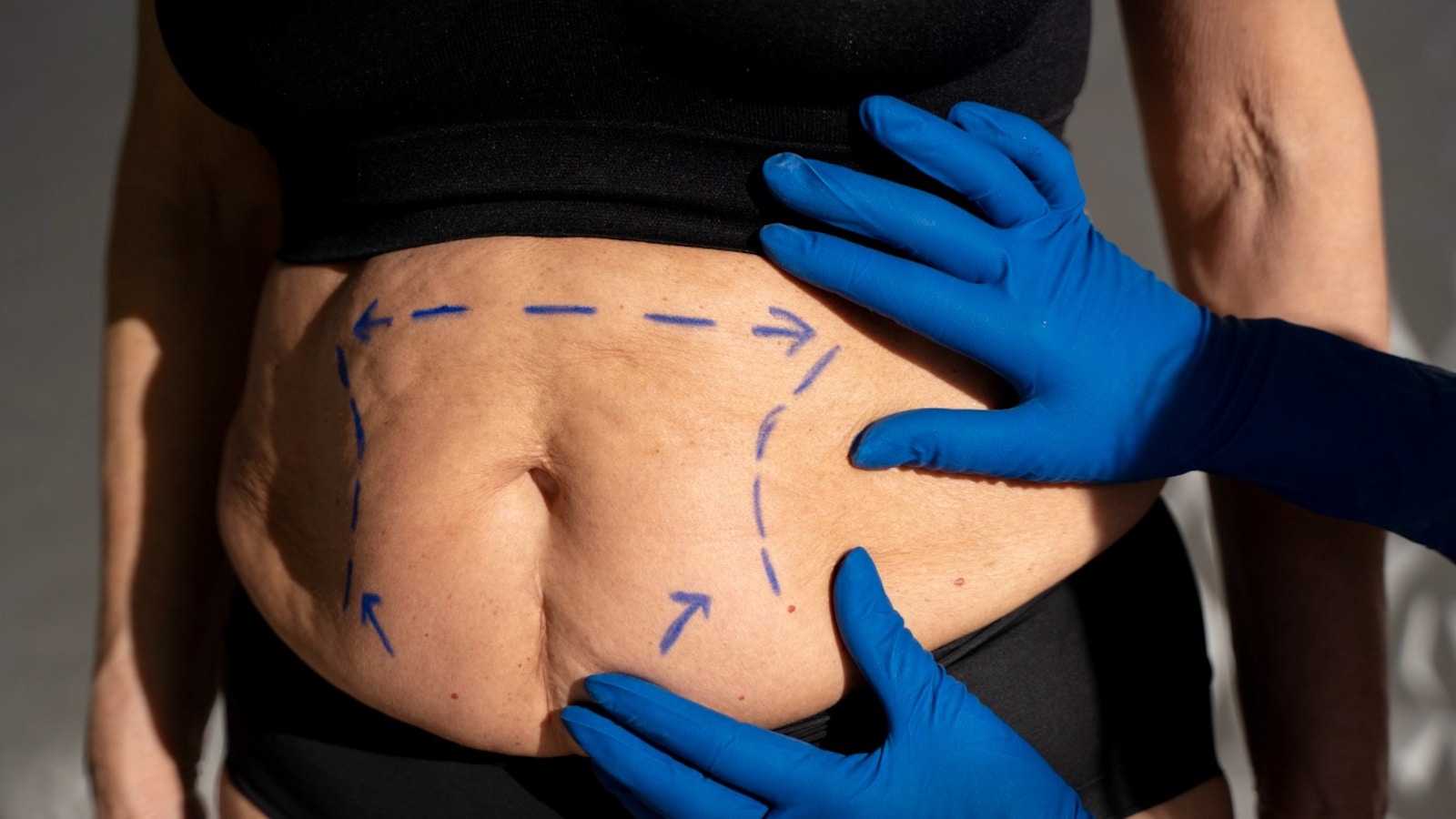
More young adults in India are developing obesity and health problems linked to it.
These can include diabetes, sleep apnea, fatty liver disease and high blood pressure.
Doctors do not decide about surgery just by looking at someone’s age or weight.
They consider health problems, BMI, past treatment and overall health.
Some studies mentioned in the article found that surgery helped certain people with obesity and diabetes.
Surgery is not meant to be the automatic choice for everyone.
People who have it still need healthy routines, supplements and checkups.
The author says the right time to consider treatment depends on a person’s health risks, not how old they are.

The article says younger Indian adults are increasingly being assessed for bariatric surgery as obesity-related conditions appear earlier.
It cites NFHS-5 data that nearly one in four Indian adults is overweight or obese.
For South East Asian populations, the article says surgery may be considered at BMI 29 or higher with certain related conditions, or at BMI 35 or higher after clinical assessment.
It describes metabolic surgery as potentially improving weight and conditions such as type 2 diabetes, while noting results vary.
The author says age alone should not determine candidacy; assessment and long-term follow-up, nutrition, activity and supplements remain important.
- Who
- Younger Indian adults with obesity and related health conditions, and clinicians assessing treatment options.
- What
- The article explains why bariatric surgery is being discussed with more adults under 35 and what clinical factors may inform that decision.
- Where
- India, including metabolic clinics discussed by the author.
- When
- The article describes a growing trend; it cites NFHS-5 findings from 2019–21 and a 2023 study.
- Why
- Obesity and related metabolic conditions are appearing earlier, while the article says earlier treatment may help reduce long-term health risks for selected patients.
Consider Earlier Intervention
Avoid Making Surgery the Default
Timing of treatment
Consider Earlier Intervention
The article argues that when obesity-related conditions appear in younger adults, waiting may mean more years exposed to health risks; selected patients may benefit from considering treatment earlier.
Avoid Making Surgery the Default
The article stresses that youth or a BMI figure alone does not justify surgery; clinical risks, previous treatment and overall circumstances must guide the decision.
Role of surgery
Consider Earlier Intervention
The article cites studies reporting improved weight and blood-sugar outcomes for some patients receiving metabolic surgery.
Avoid Making Surgery the Default
Surgery is not presented as an automatic response or a replacement for ongoing care; long-term nutrition, activity, supplements and follow-up are still required.
Key facts
- NFHS-5 estimate
- Nearly one in four adults in India was overweight or obese, according to the article's account of the 2019–21 survey.
- ICMR study estimate
- A nationwide study published in 2023 estimated around 35 crore adults over 20 had abdominal obesity and around 25 crore had generalised obesity.
- BMI threshold described
- For South East Asian populations, the article says people with BMI 29 or higher and certain related conditions may be considered for surgery.
- Higher BMI threshold described
- People with BMI 35 or higher may also be considered, depending on clinical assessment.
- Procedures mentioned
- Sleeve gastrectomy and gastric bypass.
- Long-term care
- The article says nutrition, protein intake, physical activity, vitamin and mineral supplements, and regular follow-up remain necessary after surgery.
- Author
- Dr. Ashish Gautam, Principal Director, Robotic and Laparoscopic Surgery, Max Super Speciality Hospital, Patparganj, New Delhi.
Sources
Related news
GLP-1 Weight Loss Requires Metabolic Health, Diagnosis And Supervision

Semaglutide Helps Children With Obesity, But Raises Caution
AIIMS Doctor Says Metabolic Surgery May Help Selected Diabetes Patients
Young Corporate Workers Show Early Heart Risk, Report Finds
AIIMS Obesity Clinic Sees Patient Numbers Surge as States Follow
Junk Food, Lifestyle Risks Raise Heart Concerns Among Young Indians

BS7 Could Create ₹10,000-Crore Annual Opportunity for Component Makers
Old Delhi's Bundu Haleem: One Dish, Unchanged Since 1953

Delhi Metro to begin at 4 am for Independence Day celebrations

Delhi: 863 Animals and Birds Rescued in Wildlife Trade Raid