1 hr ago
AIIMS Doctor Says Metabolic Surgery May Help Selected Diabetes Patients
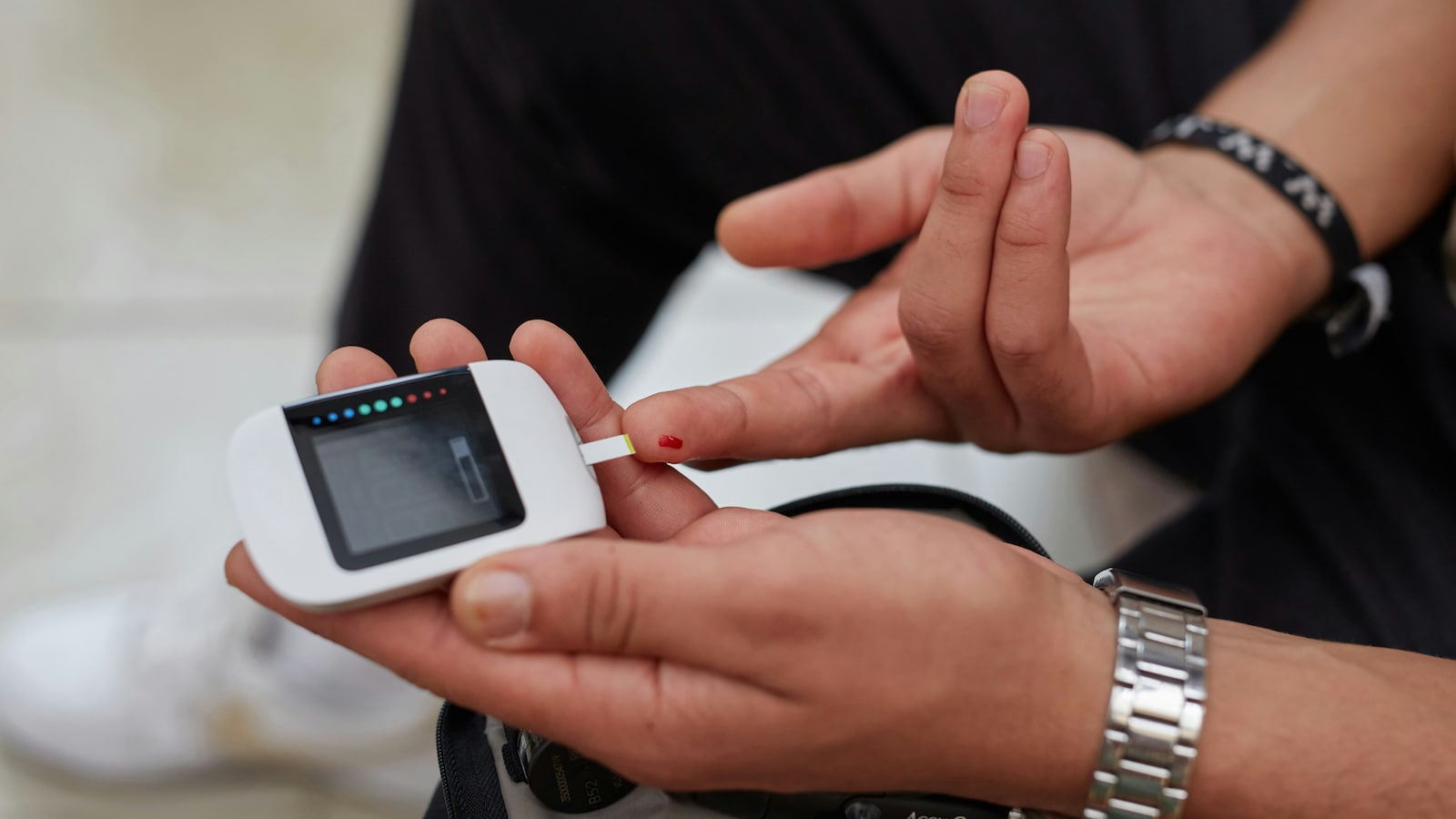
Some people with type-2 diabetes still have high blood sugar even after taking medicines and making lifestyle changes.
A doctor at AIIMS said metabolic surgery might help some of these patients.
In a few people, it may lead to diabetes remission, meaning their blood sugar becomes controlled without the same level of treatment.
For others, it may simply improve blood sugar control.
The surgery is not meant for everyone with diabetes.
Doctors may consider it when several medicines do not work or when diabetes has begun harming important organs.
The decision must weigh the risks and cost of surgery against the future harm caused by uncontrolled diabetes.
Patients should be assessed by a specialized team and followed carefully afterward.

Metabolic surgery may help achieve type-2 diabetes remission in some selected patients, according to an AIIMS surgeon.
The procedure may be considered when blood sugar remains uncontrolled despite more than three oral medicines, with or without insulin or a GLP-1 receptor agonist.
The protocol includes patients with HbA1c above 7.5% despite treatment and at least two years of type-2 diabetes.
Early diabetes-related damage to the kidneys, heart, eyes, brain or blood vessels may also support consideration of surgery.
Dr Manjunath Maruti said surgery is not for everyone and requires experienced teams, dedicated centres and structured follow-up.
- Who
- Dr Manjunath Maruti, a professor of surgery at AIIMS, and selected patients with uncontrolled type-2 diabetes.
- What
- A doctor said metabolic surgery may improve blood sugar control or produce remission in some appropriately selected patients.
- Where
- AIIMS and the doctor’s metabolic surgery unit; the specific location is not stated.
- When
- The article does not give a date for the comments; it refers to the unit’s experience with 67 patients.
- Why
- The surgery may be considered when diabetes remains uncontrolled despite appropriate treatment or has begun causing organ damage.
Key facts
- Condition
- Uncontrolled type-2 diabetes
- Suggested HbA1c threshold
- Above 7.5% despite treatment with more than three oral anti-diabetic medicines
- Other treatment situations
- Patients who have started or been advised to start insulin because medicines are insufficient
- Additional indication
- Early diabetes-related damage involving organs such as the kidneys, heart, eyes, brain or blood vessels
- Unit experience
- 67 patients with uncontrolled type-2 diabetes
- BMI subgroup
- 18 patients had a BMI between 23 and 35 kg/m²
- Follow-up need
- Long-term prospective follow-up is needed to assess the durability of remission and metabolic improvements
Quotes
Dr Manjunath Maruti
Professor in the Department of Surgery at AIIMS
“For some patients medication and lifestyle modification will be sufficient. For others, despite appropriate medical therapy, diabetes would remain uncontrolled. In these patients, metabolic surgery may provide an opportunity to achieve remission, and in some, much better glycaemic control”
 NDTV
NDTV
“No treatment can guarantee that these complications will never occur. But sustained improvement in metabolic health following metabolic surgery has the potential to reduce the long-term burden of diabetes and its complications”
NDTV
Sources
Related news

Persistent High Blood Sugar May Require Diabetes Treatment Changes
HbA1c of 10.6% Requires Lifestyle Changes and Medical Review

Why HbA1c Below 7% May Not Mean Diabetes Control

New Guidance Makes Smoking Cessation Part of Diabetes Care

IVF Helps Woman With Diabetes Deliver Healthy Twins

Type 2 Diabetic Shares High-Protein Breakfasts Behind HbA1c Drop

Barapullah Phase 3 Set to Open September 29

How Families Can Support Parents’ Brain Health and Memory

AIIMS NORCET 11 Result Out; 55,967 Qualify For Stage 2

AIIMS NORCET 11 Result 2026 Set for September 18 Release