

3 weeks ago
UPI fee targets large payments, small ones stay free
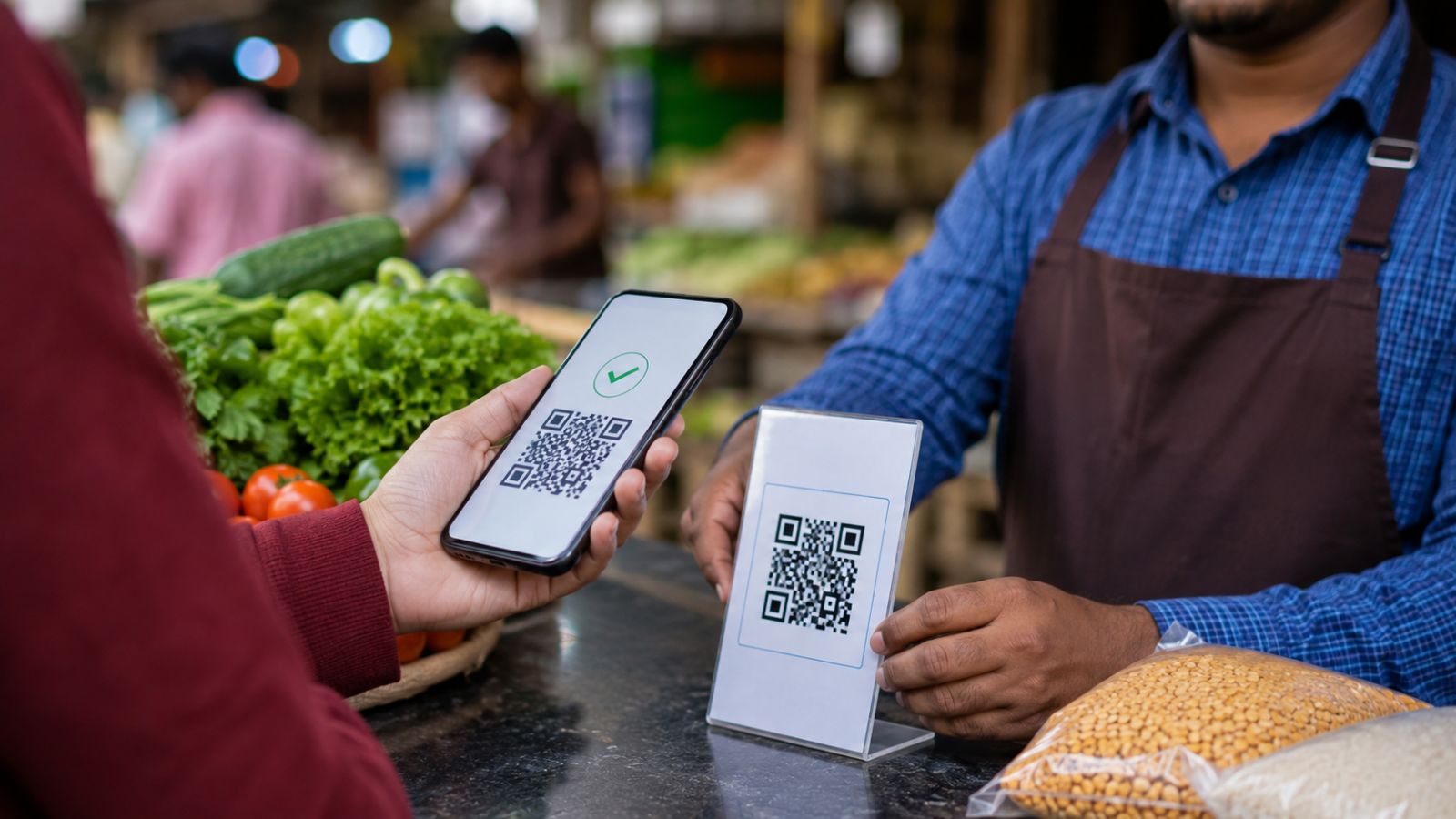
UPI is a way for people in India to pay for things using their phones, and it is usually completely free.
The government is thinking about whether large stores should pay a small fee, called a Merchant Discount Rate, when they receive big payments.
Small shops, like kirana stores where people spend about Rs 100-200, would not have to pay this fee.
Most UPI payments are small, so more than 95 out of every 100 transactions would stay completely free.
Only a tiny number of very large payments, such as big e-commerce and shopping mall purchases, would be affected.
The money collected would help pay for keeping UPI safe, secure and working smoothly for everyone.
This is a bit like letting everyone use a road for free, but asking big trucks to contribute to the repairs.
Consumers would not pay anything themselves - only businesses would, if the fee is introduced.
The finance minister says no decision has been made yet, and a committee is still discussing it.
So for now, paying with UPI remains free for everyone.

A potential Merchant Discount Rate (MDR) on UPI would apply only to a small fraction of payments, with more than 95% of transactions facing no fee.
In 2025-26, just 4% of person-to-merchant UPI payments above Rs 2,000 accounted for about two-thirds of UPI payments by value.
The debate follows the Taxation and Other Laws (Amendment) Bill, 2026, introduced in Parliament and passed by the Lok Sabha, which proposed changes to the Payment and Settlement Systems Act, 2007.
Finance Minister Nirmala Sitharaman said the UPI and Services Steering Committee headed by the National Payments Corporation of India has yet to decide on the MDR, which would apply only to merchants.
Industry players suggest an MDR of 0.3-0.6% on payments to large merchants with annual turnover above Rs 50 crore to help recover infrastructure costs of about Rs 15,000 crore a year.
- Who
- Finance Minister Nirmala Sitharaman, the National Payments Corporation of India (NPCI), the Payments Council of India (PCI), and Congress leader Jairam Ramesh
- What
- A possible Merchant Discount Rate (MDR) fee on UPI payments to large merchants, with small transactions exempt
- Where
- India
- When
- August 2026, following the introduction of the Taxation and Other Laws (Amendment) Bill, 2026 in Parliament
- Why
- To fund UPI's growth, security, resilience and infrastructure, since public funds cannot be used
Supporters: Government & payments industry
Critics: Opposition & consumer concerns
Need for the fee
Supporters: Government & payments industry
An MDR is needed to fund UPI's growth, security, resilience and innovation since public funds cannot be used, with industry costs running to about Rs 15,000 crore a year.
Critics: Opposition & consumer concerns
Critics such as Congress leader Jairam Ramesh raised concerns over the proposal, prompting the finance minister to respond that MDR applies only to merchants.
Who bears the cost
Supporters: Government & payments industry
MDR applies only to merchants and not end users or customers; small merchants are required to pay nothing, and consumers would not pay even if large merchants pay.
Critics: Opposition & consumer concerns
Sceptics worry that merchant charges could eventually be passed on to consumers, making digital payments costlier in practice.
Link to India-US trade talks
Supporters: Government & payments industry
A senior payments industry official says there is no link between India-US trade talks and any potential fee on UPI transactions.
Critics: Opposition & consumer concerns
Some coverage, such as 'The hidden Trump factor in India's proposed new UPI transaction levy', suggests a possible connection to trade negotiations.
Key facts
- MDR scope
- Only large merchant transactions; more than 95% of UPI payments exempt
- Large transactions
- 4% of P2M UPI payments above Rs 2,000 in 2025-26, about two-thirds by value
- UPI volume 2025-26
- Over 24,000 crore transactions worth Rs 314 lakh crore
- Industry costs
- About Rs 15,000 crore annually
- Proposed MDR rate
- 0.3-0.6% for merchants with turnover above Rs 50 crore; alternative 0.05-0.07% for turnover of Rs 1-1.5 crore
- Government incentives paid
- Rs 8,730 crore from 2021-22 to 2024-25 for low-value UPI/RuPay small merchant payments
- Card MDR comparison
- Credit cards 1-3%, debit cards up to 0.9%
- Status
- No decision taken; NPCI-headed steering committee yet to decide
Quotes
Senior payments industry official
Anonymous senior payments industry official
“An MDR would not be charged on small-value payments, such as those at kirana stores, where the average transaction size is Rs 100-200.”
 indianexpress.com
Finance Minister Nirmala Sitharaman
India’s Finance Minister
“Merchant Discount Rate (MDR) applies only on the merchants and not on the end users/customers. It will support the Banks & Fintech to invest more on infrastructure, innovation & security. All users of UPI will reap the benefits of this investment.”
indianexpress.com
Sources
Related news

Lok Sabha passes bill allowing UPI merchant discount rate charges
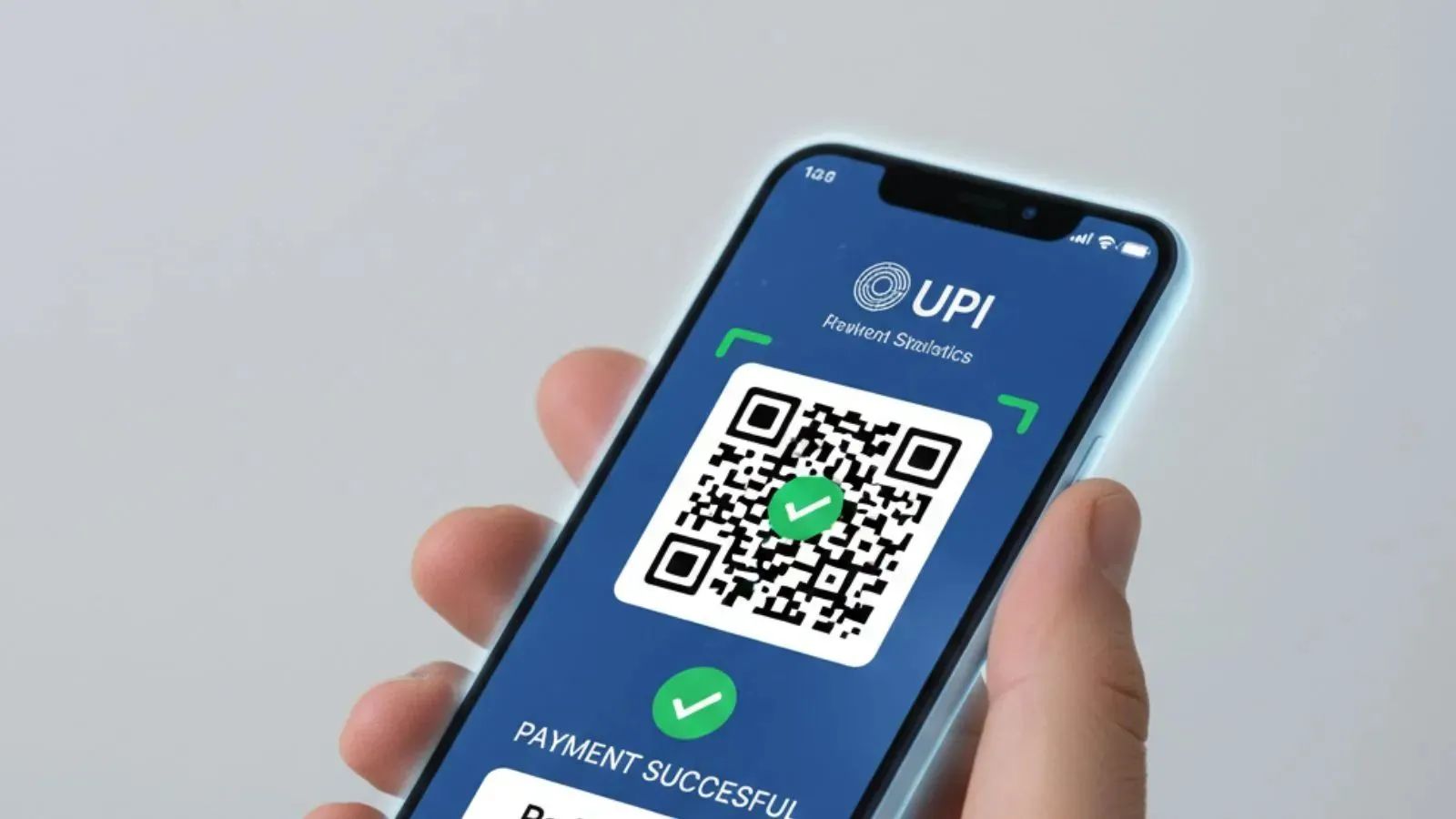
UPI remains free for users, some merchants face nominal charges
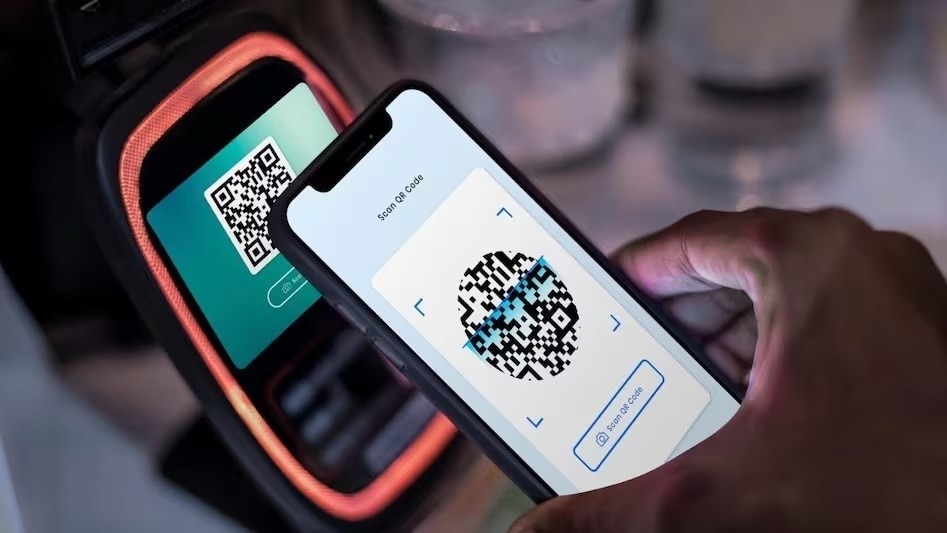
UPI Payments May Get MDR Charges; Small Transactions Stay Free
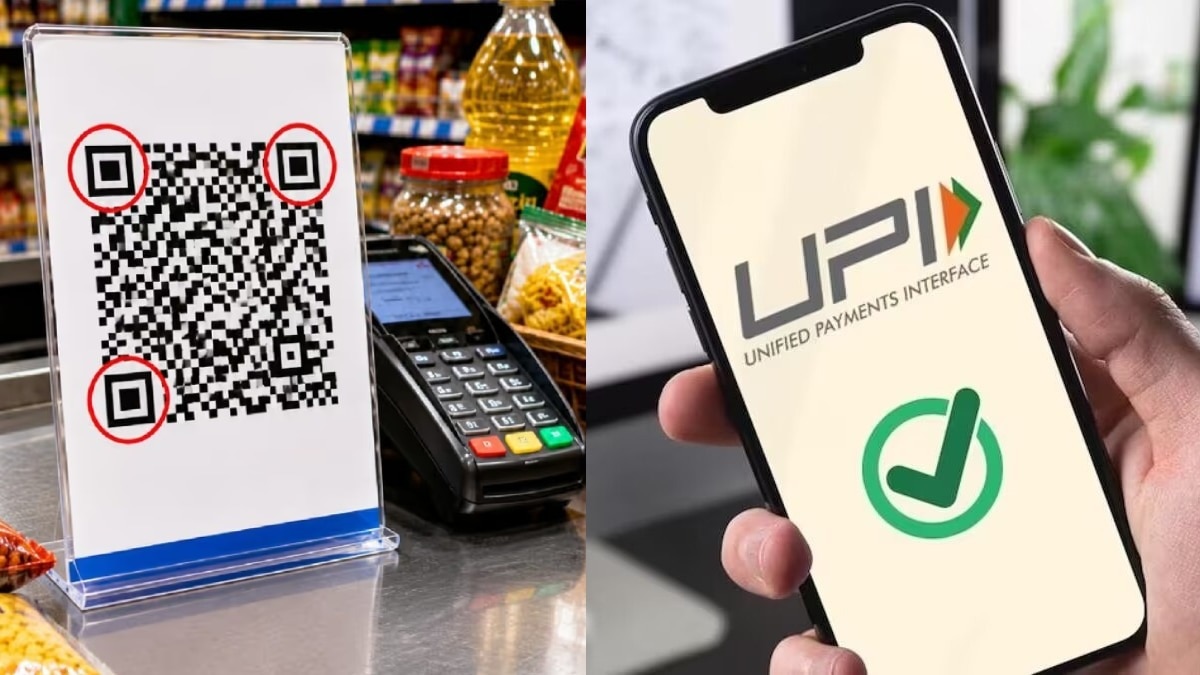
UPI Stays Free For Consumers And Small Merchants, PCI Says

UPI Users Unlikely to Pay Fees Even If MDR Allowed
PM Modi to Inaugurate Global Fintech Fest 2026 in Mumbai
