0 months ago
RBI Governor Says UPI Merchant Discount Rate Talks Are Premature

UPI is a service that lets people in India send money and pay shops using their phones.
Right now, when people pay a shop through UPI, nobody charges the shop a fee.
Banks say it costs them a lot of money to run UPI for free.
The Indian government is thinking about letting banks charge a small fee, called MDR, on some UPI payments.
This fee would probably only apply to bigger payments to shops, like payments over ₹2,000.
Payments between friends and family would likely stay free.
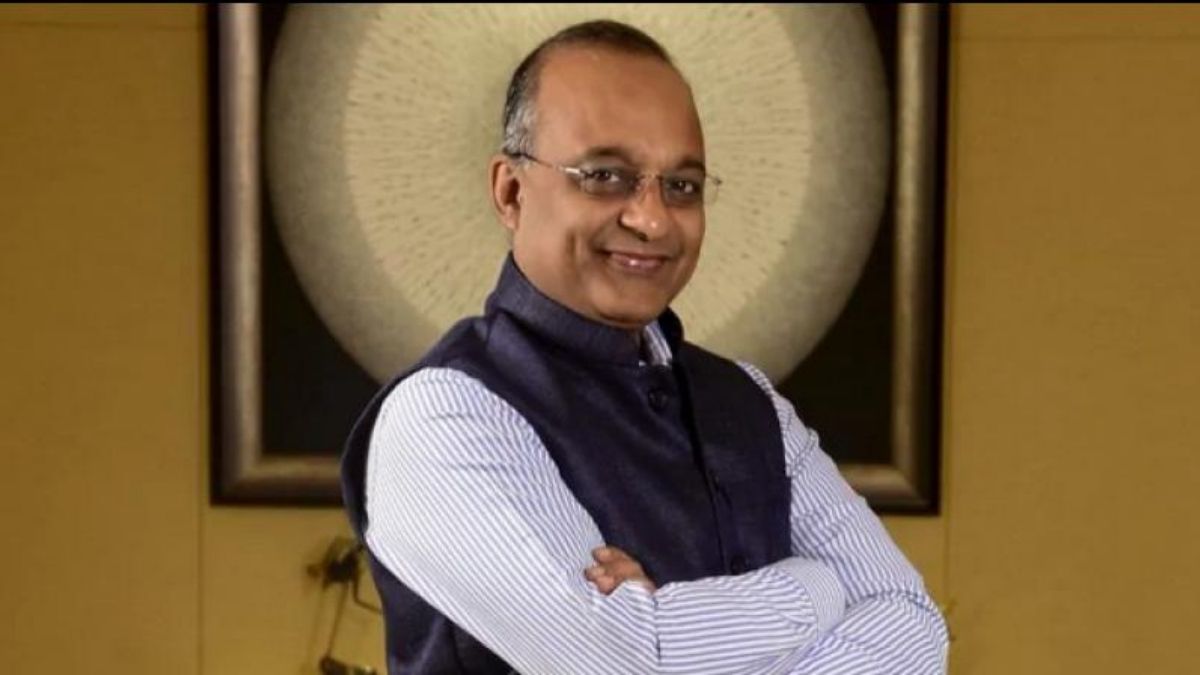
The head of India's central bank, Sanjay Malhotra, said it is too early to decide anything.
He said someone must pay for the UPI service, and in the end it could be shoppers.
Shopkeeper groups say a small, fair fee might be okay, but they want to see the details first.
So India is still discussing what to do.

RBI Governor Sanjay Malhotra said talks on imposing merchant discount rates (MDR) on UPI transactions are at a premature stage.
The union government has proposed amending the Payment and Settlement Systems Act (PSSA), 2007 to introduce fees on UPI transactions.
Reports indicate a 0.25%-0.4% MDR may apply to UPI business transactions above ₹2,000, while P2P transfers likely stay exempt.
Jefferies estimates an MDR of 15-30 basis points could generate ₹5,000-₹10,000 crore in revenue by FY28.
UPI transaction volume grew 4% month-on-month to 23.66 billion in July, with value rising 3% to ₹29.88 lakh crore.
- Who
- RBI Governor Sanjay Malhotra, the union government, banks, payment aggregators and trader bodies.
- What
- Debate over imposing merchant discount rates (MDR) on UPI transactions, which Malhotra called premature while the government amends the Payment and Settlement Systems Act, 2007.
- Where
- India.
- When
- Announced at the RBI's post-monetary policy press conference shortly after the government tabled the PSSA amendment; UPI data mentioned is for July.
- Why
- To recover the costs of processing UPI transactions, as banks and tech providers say the zero-MDR model is financially unsustainable.
Supporters of reviving MDR on UPI
Cautious voices on UPI MDR
Reintroducing MDR on UPI
Supporters of reviving MDR on UPI
The payments industry supports bringing back MDR, saying processing billions of transactions under a zero-fee model is financially unsustainable for banks and tech providers; the Payments Council of India has pushed for a 0.3% MDR on large-merchant transactions.
Cautious voices on UPI MDR
CAIT supports only a nominal MDR on higher-value transactions and says any proposal should be viewed only after its provisions are made public; RBI Governor Malhotra called such talks premature, noting the government is still carrying out the amendment.
Who ultimately bears the cost
Supporters of reviving MDR on UPI
Enterprise-focused payment aggregators with clients above ₹1 crore annual turnover stand to benefit directly, monetising transaction volume that currently generates no revenue.
Cautious voices on UPI MDR
Malhotra said consumers ultimately pay for transactions in some way or other, and the cost may fall on the general economy, which is not directly visible.
Key facts
- Speaker
- RBI Governor Sanjay Malhotra
- Status
- Talks on MDR on UPI at a premature stage
- Legislation
- Proposed amendment to the Payment and Settlement Systems Act (PSSA), 2007
- Reported MDR range
- 0.25%-0.4% on UPI business transactions above ₹2,000
- Exemption
- Person-to-person (P2P) UPI transactions likely remain exempt
- Jefferies revenue estimate
- ₹5,000-₹10,000 crore by FY28 at 15-30 basis points
- UPI volume (July)
- 23.66 billion transactions, +4% month-on-month
- UPI value (July)
- ₹29.88 lakh crore, +3% month-on-month
Quotes

Sanjay Malhotra
Governor of the Reserve Bank of India
“It is very premature to talk right now. The government is still carrying out the amendment. The costs have to be paid by someone. We all want that this public infrastructure should continue to strengthen. Let’s wait and watch for further developments on this.”
 inc42.com
Sources
Related news
UPI MDR Above ₹2,000 May Begin Within Two Weeks
Lok Sabha Passes Bill Enabling Future UPI MDR, Sitharaman Clarifies

UPI Remains Free for Users, Nominal Merchant Fee Possible: Govt
Survey: Only 12% Would Pay UPI Fees Above Rs 3,000
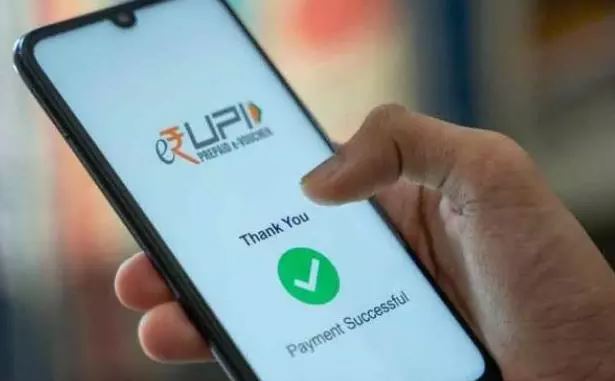
India Moves to Allow Merchant Fees on UPI Transactions

RBI Governor Meets US Fed Chief Kevin Warsh at G20
RBI Forex Swap Draws $136.37 Billion, Led by FCNR(B)
Indian Bond Yields Near 7% as Rate Hike Bets Rise

India Hosts BRICS 2026 Amid US-Iran War Tensions

Finance Ministry Flags Global Yield and Inflation Risks for India