1 week ago
JD(U) MP Urges India to Let Ganga Treaty Lapse
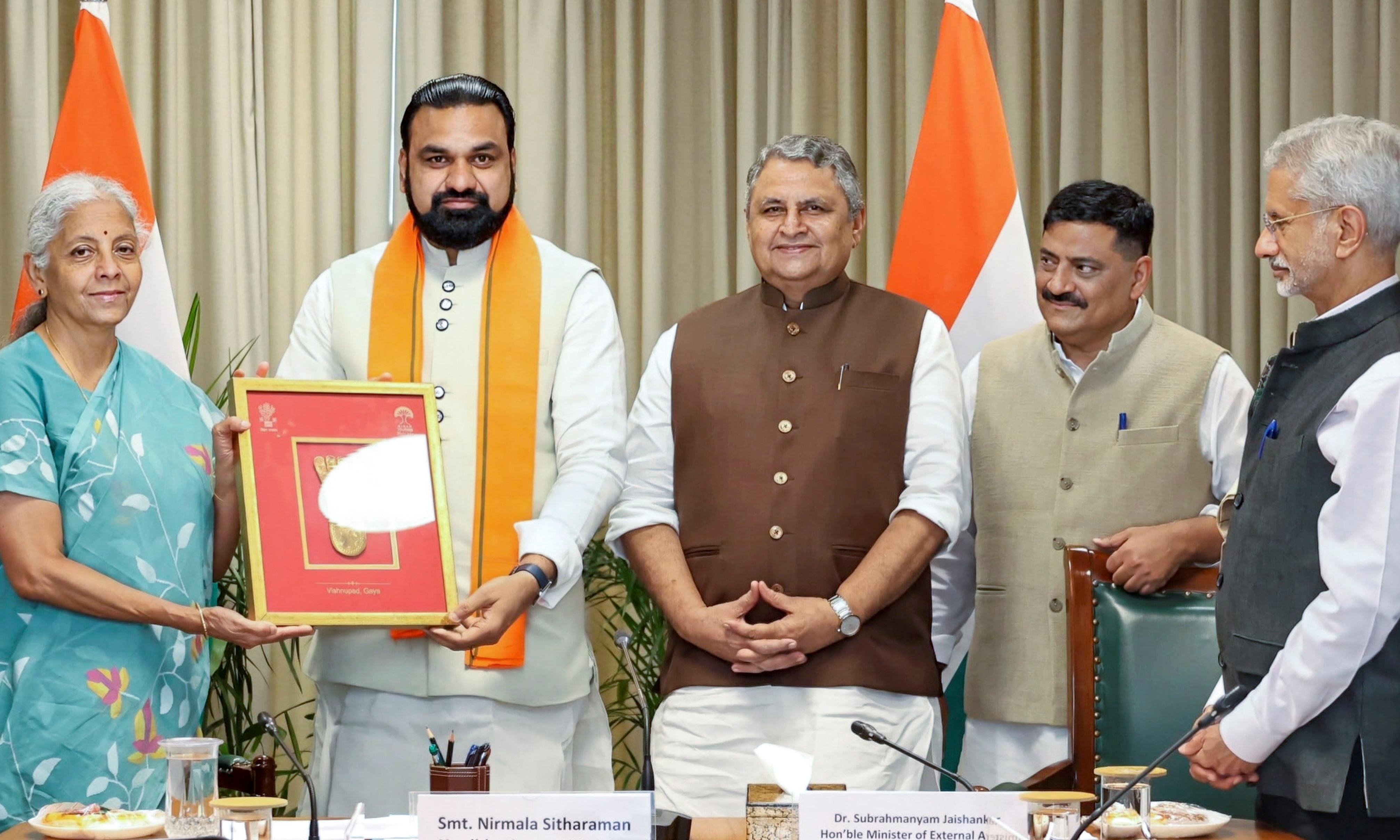
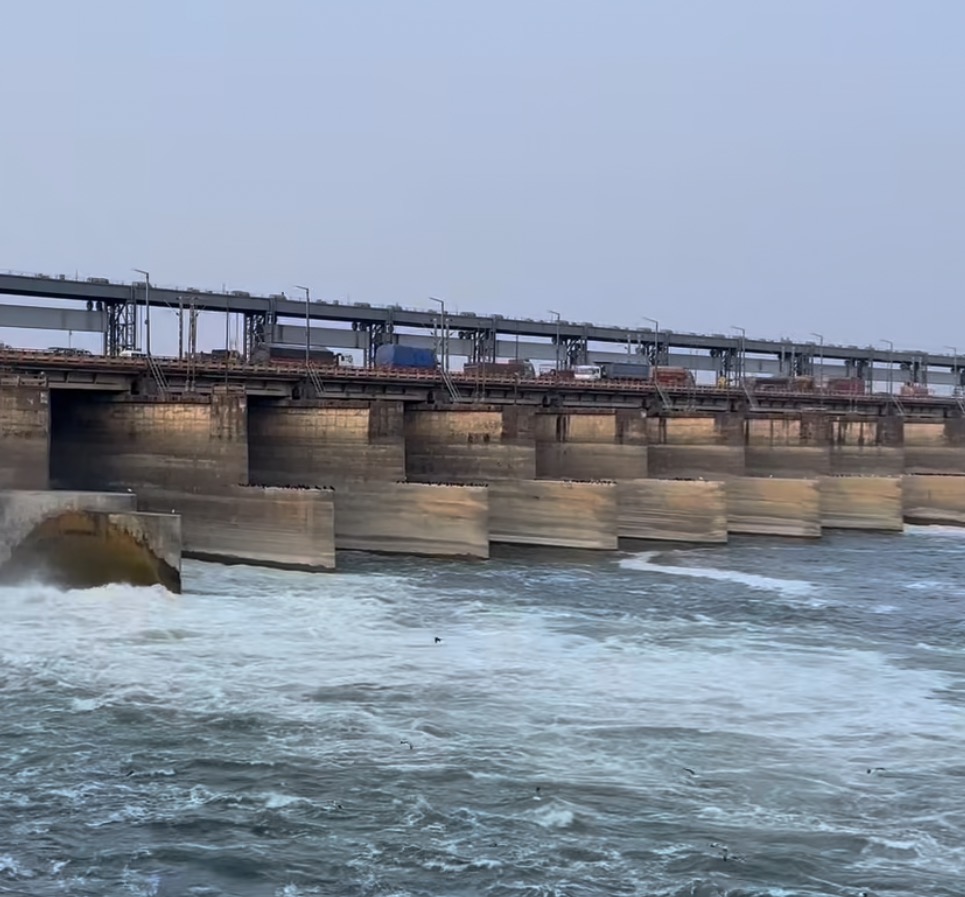
The Ganga Water Treaty is an agreement about sharing Ganga River water between India and Bangladesh.
It was signed in 1996 and is scheduled to end on December 12, 2026.
Sanjay Kumar Jha, a politician from Bihar, says the agreement should not be renewed as it is.
He believes Bihar has suffered from flooding, silt buildup and too little water during dry months.
Jha says a new agreement should use updated scientific information and estimate water needs through 2050.
He also wants Bihar to participate directly in the talks.
India and Bangladesh are already discussing what to do when the treaty expires.
Bangladesh has reportedly asked for a guarantee clause like one included in an earlier 1977 agreement.

JD(U) leader Sanjay Kumar Jha urged India not to renew the Ganga Water Treaty with Bangladesh in its current form.
Jha said the treaty should expire on December 12, 2026, followed by fresh negotiations based on projected water needs through 2050.
He alleged the agreement caused ecological and economic harm to Bihar, including silt accumulation and inadequate dry-season water.
Jha said Bihar should have a direct role in negotiations covering irrigation, industry, agriculture and drinking water.
India and Bangladesh are discussing renewal, while Bangladesh has reportedly sought restoration of a guarantee clause from the 1977 agreement.
- Who
- Sanjay Kumar Jha, a JD(U) Rajya Sabha member and working president, along with Indian and Bangladeshi officials involved in treaty discussions.
- What
- Jha urged India to let the Ganga Water Treaty expire and negotiate a new water-sharing agreement.
- Where
- The issue concerns Ganga water sharing between India and Bangladesh, with Jha focusing on effects in Bihar.
- When
- The treaty is due to expire on December 12, 2026; Jha made the remarks in an article and a PTI Videos interview.
- Why
- Jha alleges that the treaty has harmed Bihar and does not reflect current or future water needs.
Let the Treaty Lapse and Renegotiate
Renew or Strengthen the Agreement
The treaty’s future
Let the Treaty Lapse and Renegotiate
Jha says the agreement should not be renewed in its present form and should instead be allowed to expire before new negotiations.
Renew or Strengthen the Agreement
India and Bangladesh are discussing renewal while considering their respective water requirements and water availability.
Impact on Bihar
Let the Treaty Lapse and Renegotiate
Jha alleges that the treaty caused Bihar ecological and economic harm through silt accumulation, flooding, inadequate dry-season water and the diversion of water to Bangladesh.
Renew or Strengthen the Agreement
The supplied articles do not present a detailed defense of the treaty’s impact, but Bangladesh is seeking continued negotiations and reportedly wants a restored guarantee clause.
Terms of a future agreement
Let the Treaty Lapse and Renegotiate
Jha wants updated scientific assessments, projections through 2050 and Bihar’s direct participation, while also calling for implementation of the National Silt Policy.
Renew or Strengthen the Agreement
Bangladesh’s water resources minister Shahiduddin Chowdhury Anee called for aggressive bargaining, and Bangladesh has reportedly sought a safeguard-style guarantee clause.
Key facts
- Treaty name
- The Ganga Water Treaty, also known as the Farakka Treaty.
- Signed
- 1996, by Indian Prime Minister H.D. Deve Gowda and Bangladeshi Prime Minister Sheikh Hasina.
- Expiry
- December 12, 2026.
- Farakka requirement
- Jha said the treaty requires 1,500 cusecs of water to be ensured at Farakka during the lean season.
- Bihar inflow
- Jha said only around 400 cusecs enter Bihar at Buxar during that period.
- Reservoir storage
- Jha said storage averaged about 35% of capacity over the past five years.
- Bangladesh position
- Bangladesh is reportedly seeking restoration of a guarantee clause similar to a safeguard provision in the 1977 agreement.
Quotes

Sanjay Kumar Jha
JD(U) Rajya Sabha member representing Bihar
“The treaty has served India poorly. The country accepted a 30‑year lock‑in with no meaningful exit and no reciprocal guarantee, nothing on the Teesta and nothing on the wider basin.”
 deccanchronicle.com
“Look at the data of the last 30 years -- what was lost and what was gained -- and you will see how great an injustice has been done to Bihar.”
deccanchronicle.com
Sources
Related news
Bihar Challenges Farakka Treaty Renewal, Pressuring India’s Central Government

BJP Ally JDU Red Flags Farakka Water Treaty with Bangladesh
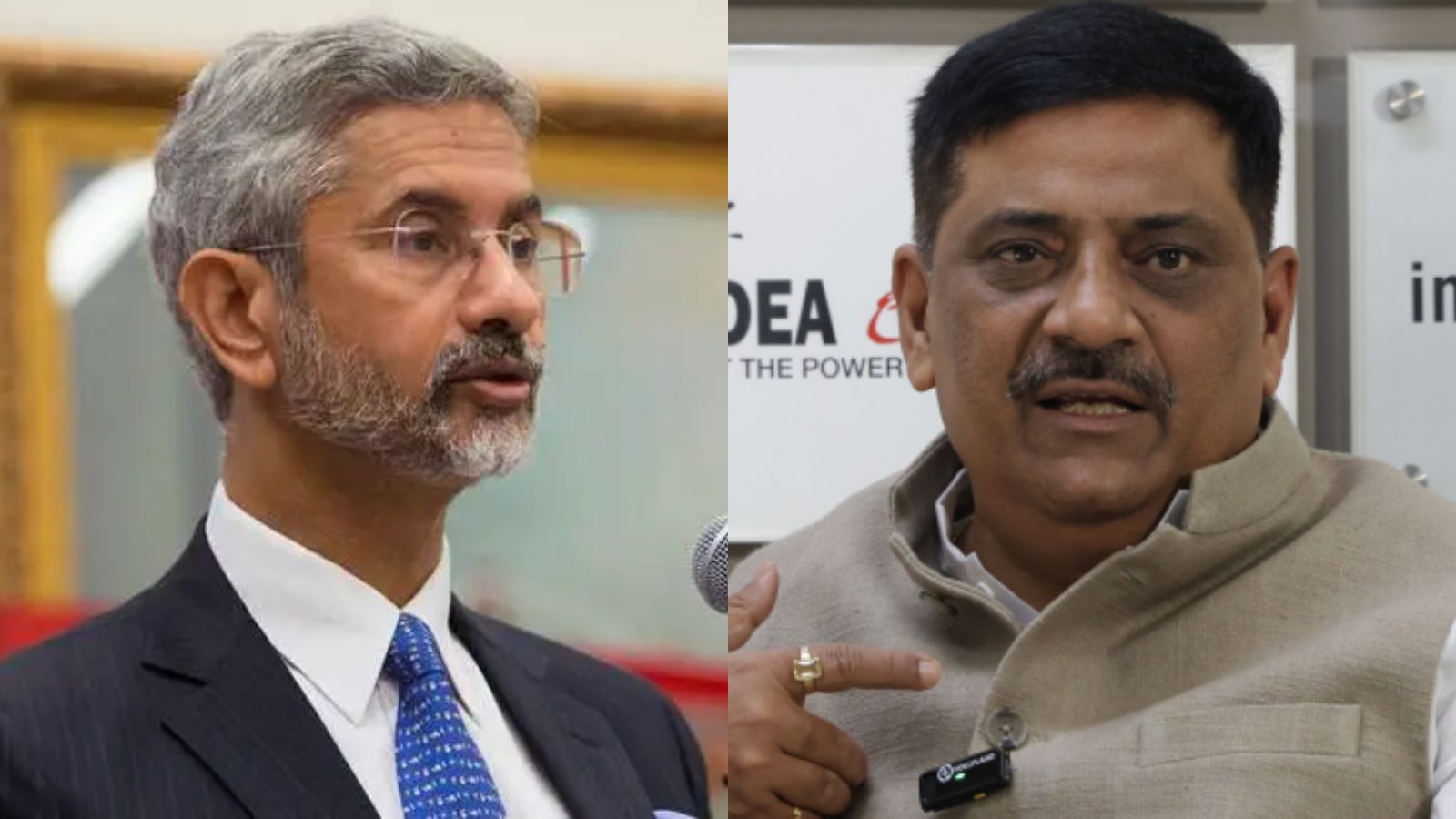
Centre Assures JDU Bihar’s Interests In Farakka Treaty Decision

Lalu Yadav, Sanjay Jha Clash Over Farakka Water Treaty
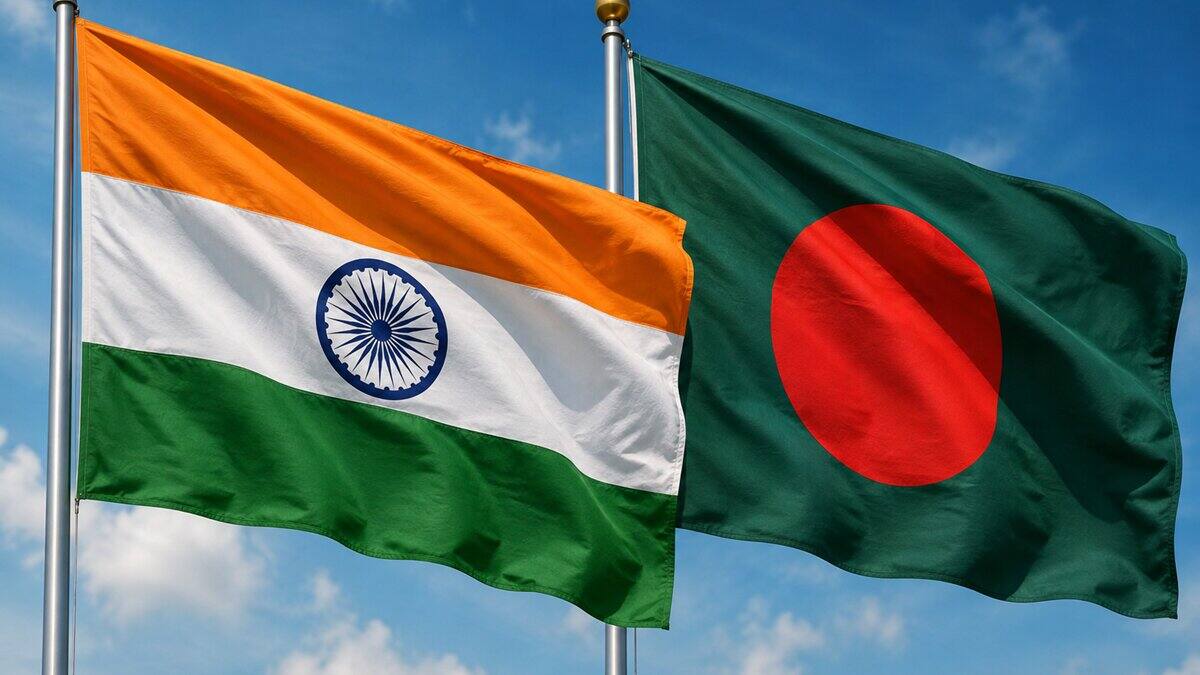
Bangladesh Seeks Guarantee Clause as Ganges Treaty Nears Expiry
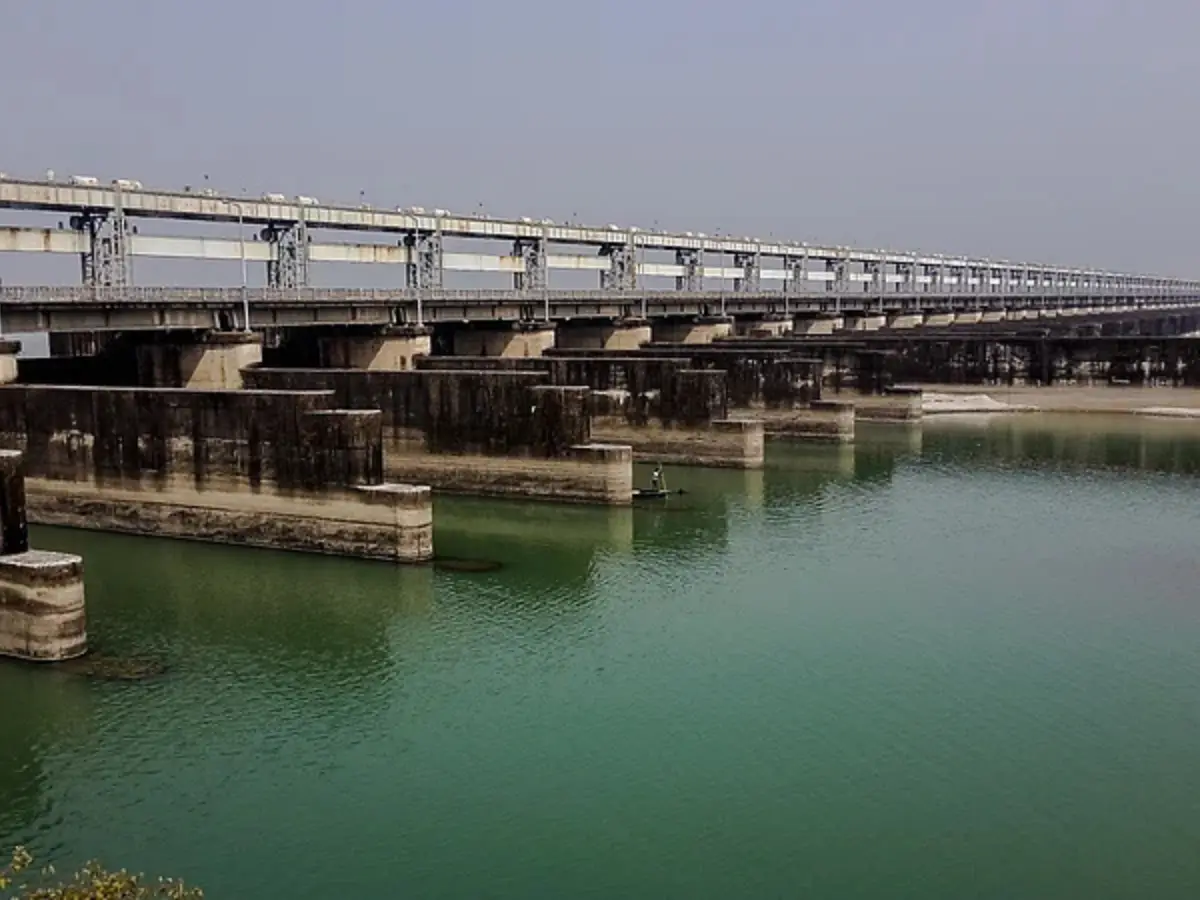
West Bengal Seeks Safeguards Before Ganga-Padma Pact Renewal

Sharma and Malik share halfway lead at Telangana Golconda Masters
India Replaces Sri Lanka as 2027 Women’s Champions Trophy Host
India’s Record Wheat Harvest Opens $1.5 Billion Export Window
West Bengal CM Crushes Nearly 2 Lakh Seized Syrup Bottles