2 months ago
India's August Monsoon: Shifting Troughs and El Nino's Impact
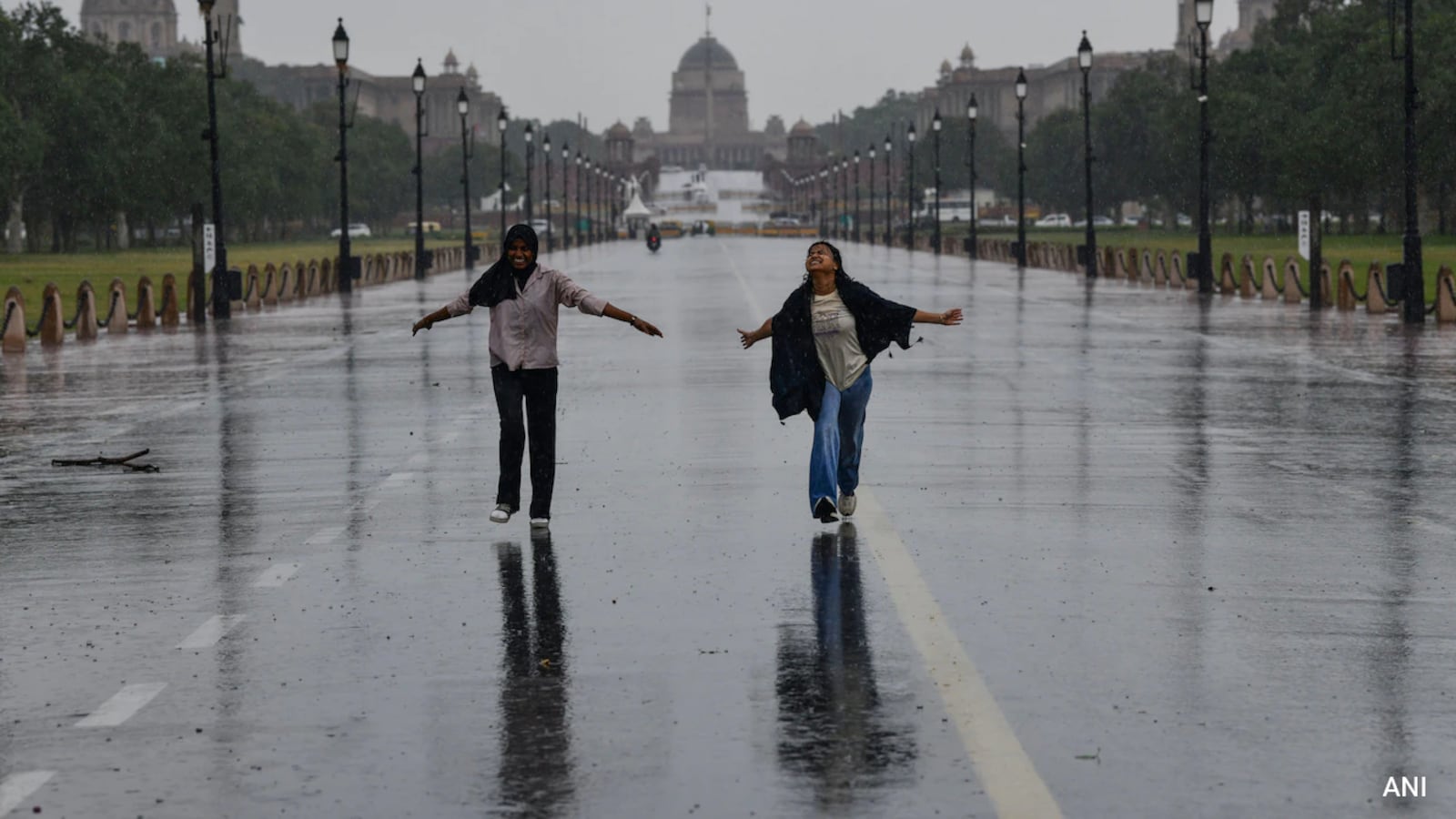
Every summer, India gets a big rainy season called the monsoon.
It happens because the land gets very hot and pulls in cool, wet air from the ocean.
The rain is very important because it helps farmers grow food and gives people water.
There is a special weather line called the monsoon trough that decides where the rain falls.
Sometimes a big storm holds the trough in one place, so one part of the country gets lots of rain.
In late July, central India got heavy rain because of this.
Now the trough is moving north, so northern and eastern parts of India will get good rain for about a week.
But experts say the rain will slow down after August 11 or 12.
This dry stretch is called a 'break monsoon' and could last until the end of August.
A weather pattern called El Nino far away in the ocean may be part of the reason.

India's Southwest monsoon runs roughly four months from June to September, shaping agriculture, water security, and economic stability.
The monsoon trough, a low-pressure zone stretching from Northwest India to the Bay of Bengal, acts as the steering wheel for rainfall distribution.
A deep depression over central India held the trough south of its normal position, fueling heavy showers across central India in late July and early August.
The trough has shifted north over the Indo-Gangetic Plains, with good rains expected across East India, Northeast India, and parts of North India for about another week.
Experts predict a 'Break Monsoon' dry spell starting around August 11-12, with El Nino likely pushing August rainfall below normal.
- Who
- Weather experts Navdeep Dahiya and Mahesh Palawat, Vice President of Meteorology and Climate Change at Skymet Weather
- What
- Analysis and forecast of the shifting monsoon trough, August rainfall patterns, and a possible break monsoon
- Where
- India, particularly the Indo-Gangetic Plains, East India, Northeast India, and eastern parts of Central India
- When
- Late July through August, within the monsoon season that spans June to September
- Why
- The monsoon trough moved north as a deep depression weakened, while El Nino is expected to influence rainfall in late August
Key facts
- Monsoon season
- June to September (roughly 4 months)
- Main driver
- Temperature difference between hot land and cooler Indian Ocean
- Monsoon trough
- Broad low-pressure zone from Northwest India to the Bay of Bengal
- Heavy rain Aug 5-7
- East India and northeast India: Bihar, West Bengal, Jharkhand, Odisha, Assam, Meghalaya, Arunachal Pradesh
- Heavy rain Aug 7-9
- East Rajasthan, North Madhya Pradesh, southwest Uttar Pradesh
- Break Monsoon expected
- After August 11-12, potentially lasting until end of August
- July rainfall
- Surplus
- August outlook
- Expected to end slightly below normal due to El Nino's impact
Quotes
Mahesh Palawat
Vice President of Meteorology and Climate Change at Skymet Weather
“Monsoon often sustains in India without external help. Monsoon axis and formation of cyclonic circulation in the Bay of Bengal is sufficient enough to generate fairly widespread clouds that lead to rains in north and east India.”
 NDTV
NDTV
“Earlier, the deep depression was over central parts of the country, and it weakened into a well‑marked low‑pressure area and gradually into a low‑pressure area, moving across South Gujarat and parts of Rajasthan.”
NDTV
Sources
Related news
Monsoon Makes Final Stand Over North India Before Southward Shift
India’s Monsoon Withdrawal Begins Amid Worst Rain Deficit Since 2009

Southwest Monsoon Withdrawal Advances Further Across Northwest India

India's October Weather Turns Drier, But Winter Rain May Help
El Niño Expected to Dominate India’s Post-Monsoon Season
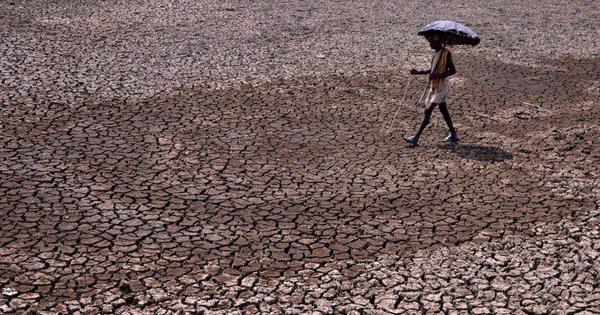
India’s Southwest Monsoon Ends With 12.6% Rainfall Deficit

India’s Hottest August Since 1901, September Rainfall Forecast Below Normal
Climate Heat Stress Threatens India’s Children and Elderly

Rising Humid Heat Could Bring 4,000 Annual Deaths to Lucknow

Parliamentary Panel Urges NGT to Act More Proactively on Environment

Pollution Threatens Breast Milk and Infants Across India