0 months ago
Supreme Court Urges Police Restraint During Sansad Chalo Protests
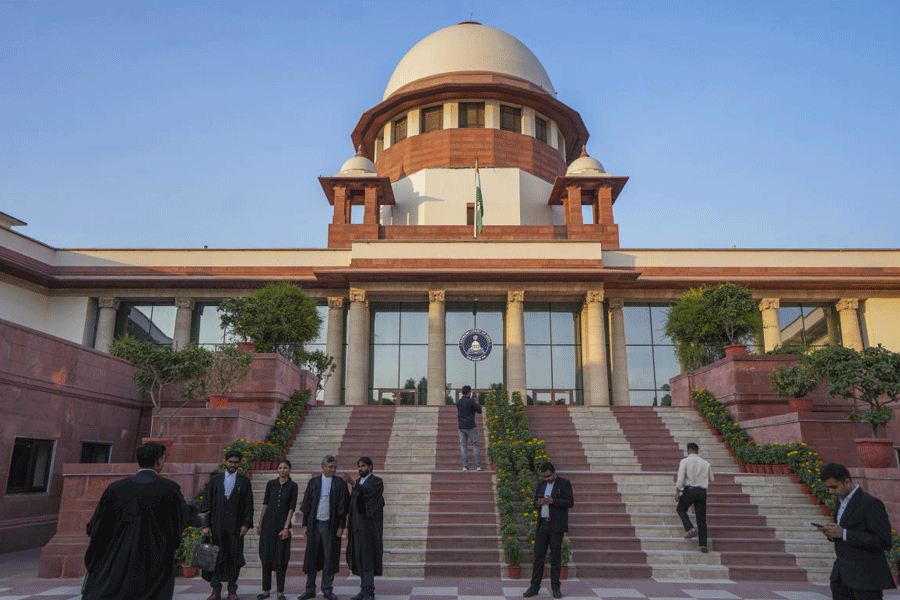
The Supreme Court is India's highest court.
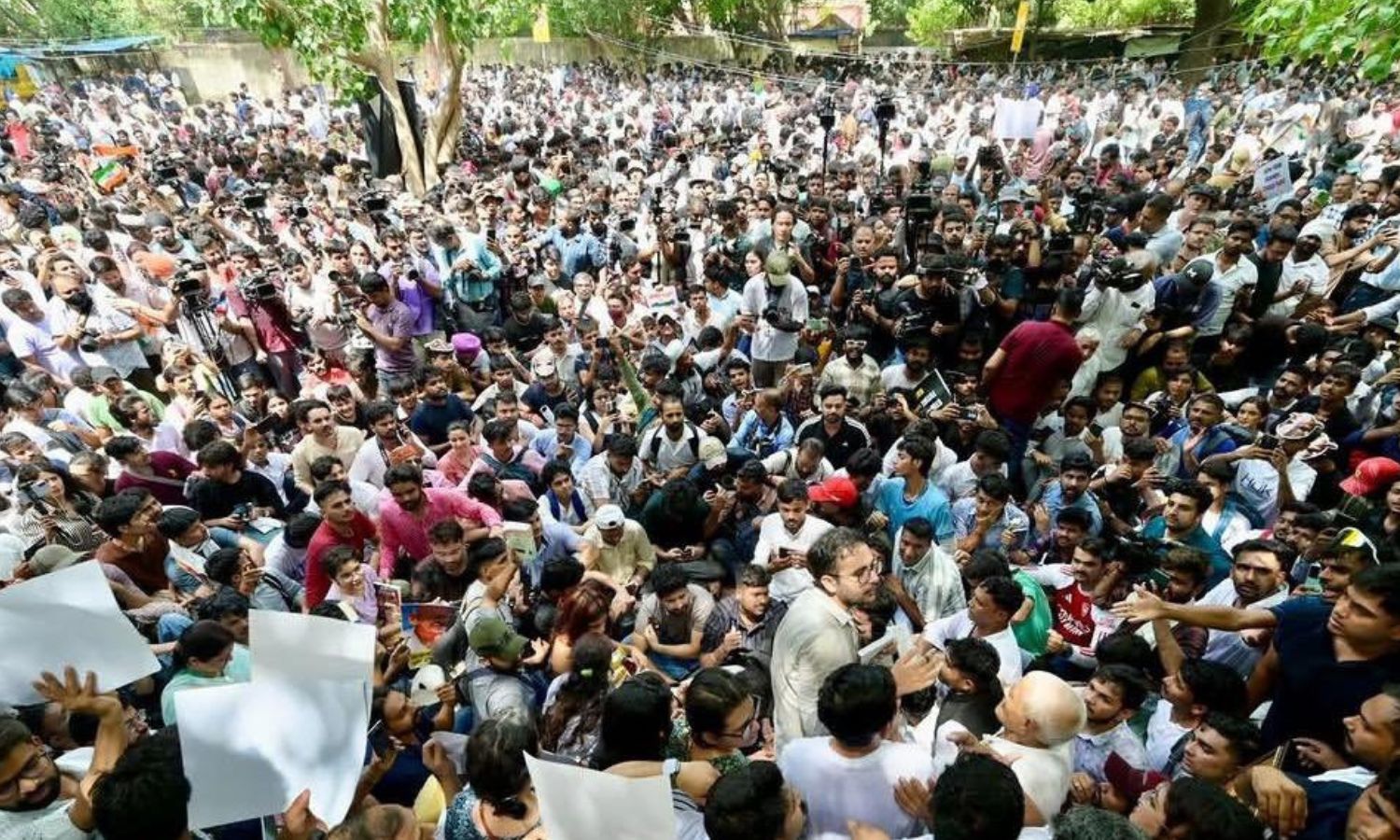
It decided to hear a case about a big protest called the 'Sansad Chalo' march, which means 'Go to Parliament'.
The protest happened on July 20.
Some people believe the organisers of this protest caused trouble and violence.
A retired Air Force officer asked the court to take action against the organisers.
The Chief Justice said police should not be too rough during protests.
He said young people should be talked to and counselled instead.
He warned that an aggressive response from the state could make things worse.
The person who complained said everyone must be responsible for their actions and follow the rules.
So the court wants both safety at protests and kindness toward young people.

The Supreme Court agreed to hear a plea seeking action against organisers of the July 20 'Sansad Chalo' march for allegedly inciting violence.
Chief Justice Surya Kant told a bench hearing that police must show great restraint, counselling and pacifying young protesters even if 'misguided elements' stone-pelt.
Petitioner's counsel Rizwan Ahmed urged accountability for organisers, calling Parliament the 'temple of democracy' and warning of potential security risks.
The lawyer argued governments should not 'bend backwards' to accommodate protesters, citing a Rajasthan incident where a young man died and recalling the farmers at Singhu border.
The plea also sought directions to identify those who allegedly used derogatory language against police and require them to perform community service.
The court tagged the plea, filed by retired Air Force officer Maneesh Kumar Solanki, with a similar petition already pending.
- Who
- A Supreme Court bench of Chief Justice Surya Kant and Justices Joymalya Bagchi and V Mohana, hearing a plea by retired Air Force officer Maneesh Kumar Solanki represented by advocate Rizwan Ahmed.
- What
- The court agreed to hear a plea for action against organisers of the July 20 'Sansad Chalo' march over alleged incitement of violence, while urging police restraint and counselling of young protesters.
- Where
- The Supreme Court, concerning a march toward Parliament in the national capital; arguments also referenced Rajasthan, Lucknow in Uttar Pradesh, and the Singhu border.
- When
- Wednesday, with the march held on July 20 and about fifteen days having passed since it.
- Why
- The plea alleges organisers gave provocative statements and incited violence at the march, while the court stressed balancing peaceful protest with de-escalation and accountability.
Strict Accountability
Restraint and Counselling
Handling stone-pelters and protest organisers
Strict Accountability
Petitioner's counsel argued organisers and stone-pelters must not go scot-free and that everyone marching toward Parliament should be held accountable for potential security risks.
Restraint and Counselling
The Chief Justice said even if some 'misguided elements' stone-pelt, youngsters should be counselled and pacified, since an aggressive state approach could aggravate the situation and precipitate further violence.
Government accommodation of protesters
Strict Accountability
The lawyer argued governments should not 'bend backwards' to accommodate protesters, warning it would set a dangerous precedent for states like Rajasthan and Uttar Pradesh after a young man died in an incident.
Restraint and Counselling
The bench emphasised promoting peaceful marches, exercising restraint in incidents, leaving the wisdom of handling such situations to law-enforcement agencies.
Key facts
- Court
- Supreme Court of India
- Bench
- Chief Justice Surya Kant, Justices Joymalya Bagchi and V Mohana
- Petitioner
- Maneesh Kumar Solanki, retired Air Force officer
- Petitioner's Counsel
- Advocate Rizwan Ahmed
- Event
- 'Sansad Chalo' march
- Date of March
- July 20
- Time Since March
- Fifteen days at the time of the hearing
- Key Demands
- Accountability of organisers; community service for those who used derogatory language against police
Quotes
Chief Justice Surya Kant
Chief Justice of the Supreme Court
“"What is important is to promote a peaceful march. If some incident takes place, the police also need to exercise a great deal of restraint to ensure that the situation does not go out of hand. Wherever such incidents take place, we need to deal with them very carefully," he said.”
 telegraphindia.com
“"They need advice and counselling. Any aggressive approach from the side of the mighty State may socially aggravate the situation and precipitate further violence. That needs to be avoided," the CJI said.”
 deccanchronicle.com
 m.rediff.com
telegraphindia.com
m.rediff.com
telegraphindia.com
Sources

Related news
Supreme Court: listen to, pacify youth over protest violence

Supreme Court Urges Restraint With Student Protesters Amid NEET Row
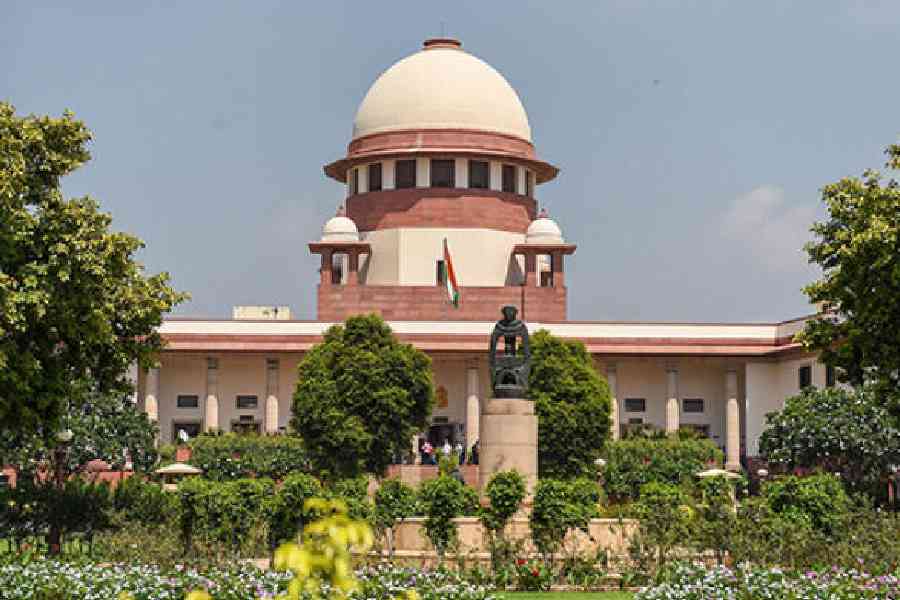
Supreme Court cautions against state aggression toward young protesters

Supreme Court counsels reasoning over repression for NEET-UG protesters

Supreme Court Declines Ban on CJP’s September 5 Delhi March

Supreme Court Leaves CJP September 5 March To Authorities

Supreme Court Questions IPS Deputation for CAPF Leadership Positions

Supreme Court Quashes 20-Year Conviction, Reaffirms Juvenile Legal Protections

Two Years After RG Kar Doctor's Rape-Murder, Case Remains Unresolved

ED widens Chhattisgarh probes with two arrests and searches
Delhi High Court Orders Madhya Pradesh to Pay Advocate Dues