0 months ago
Supreme Court counsels reasoning over repression for NEET-UG protesters

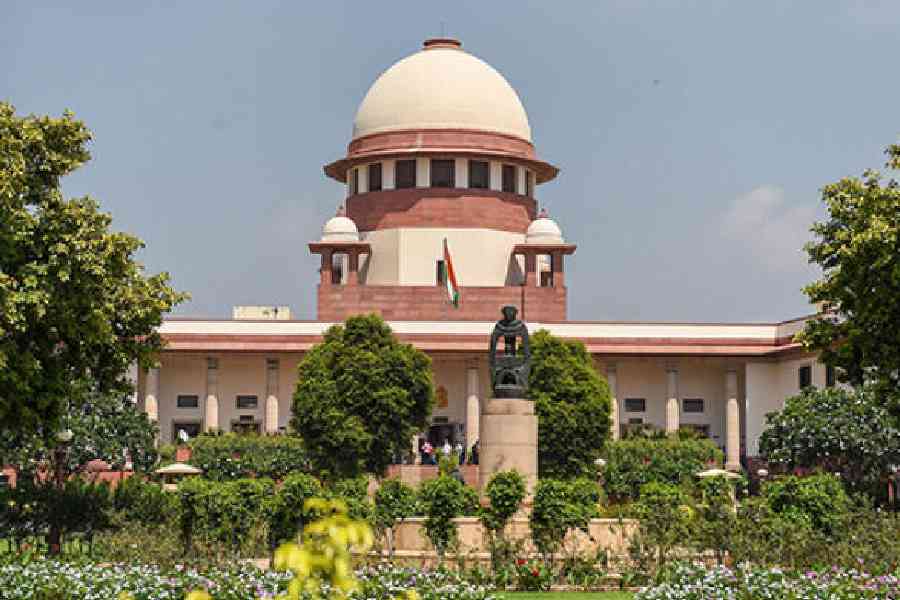
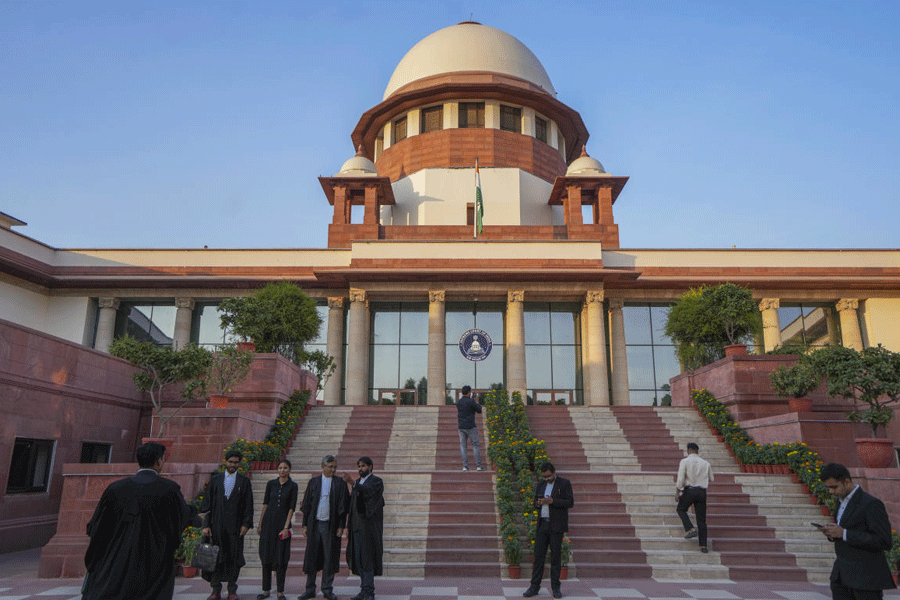
The Supreme Court of India is a very important court that makes big decisions for the country.
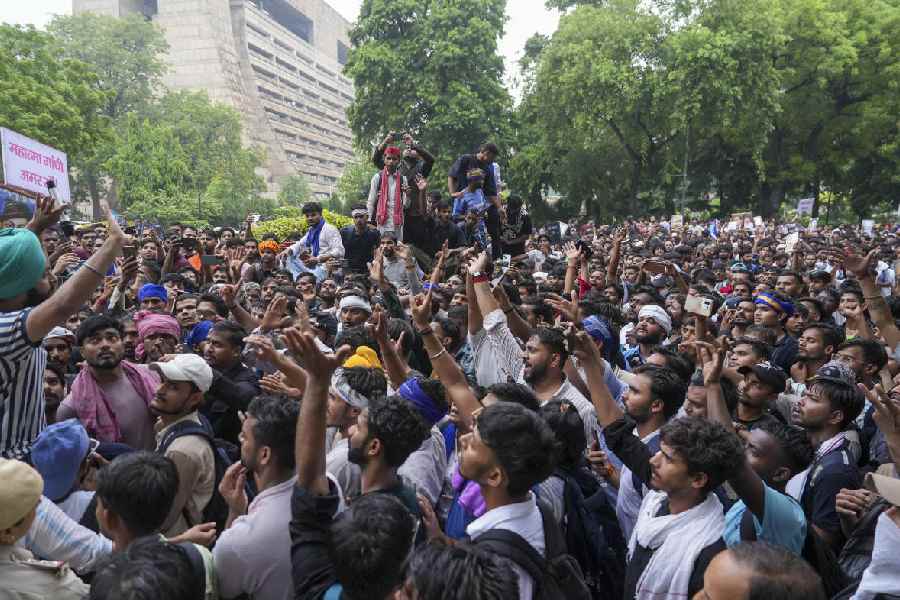
Some students were very upset because they believed there was cheating in a big medical exam called NEET-UG.
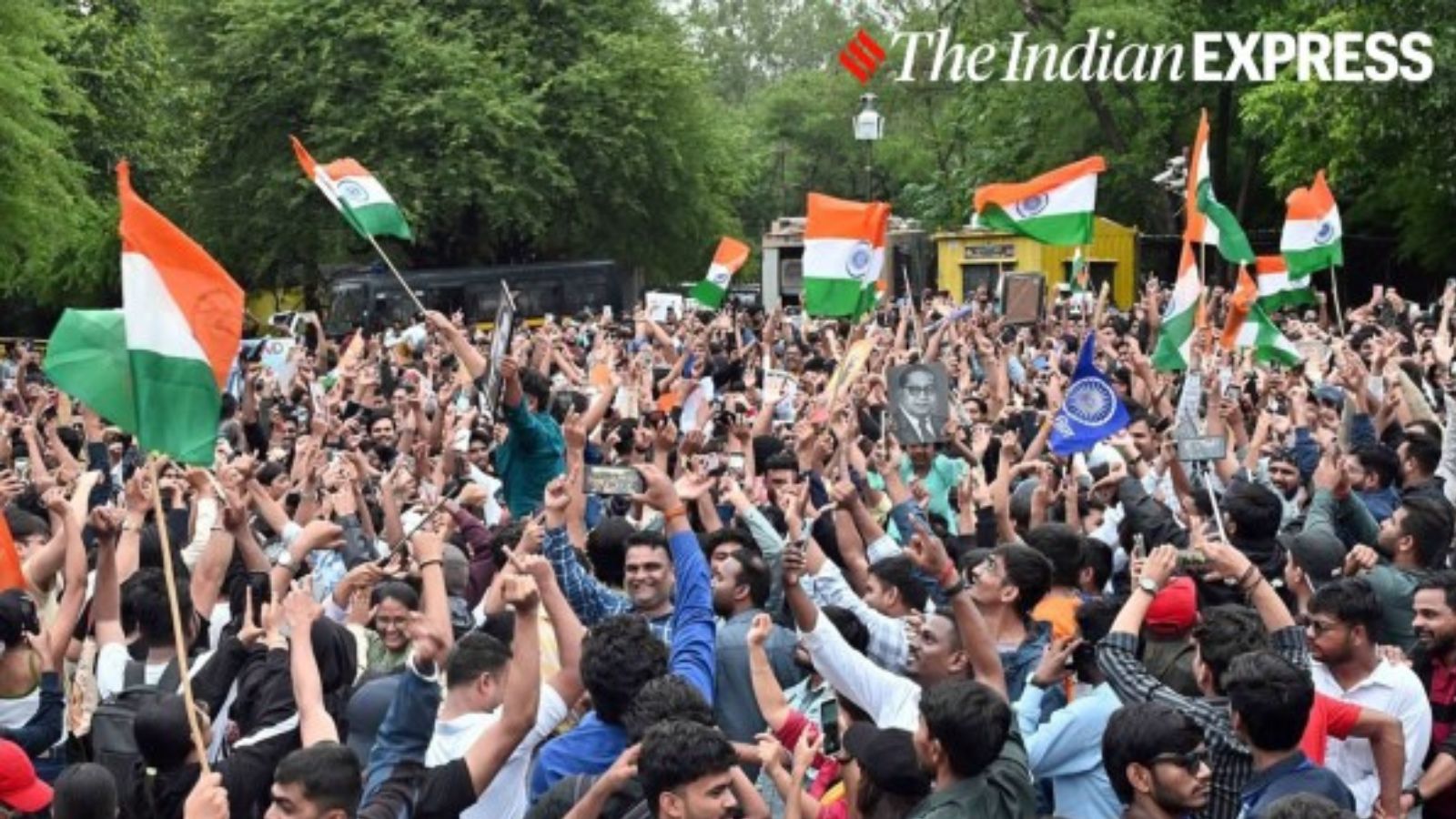
They held protests, and some of those protests became violent.
A retired Air Force officer asked the court to make the protest leaders responsible for the violence.
But the Chief Justice said the better way is to talk to the young people and listen to them.
He said being too aggressive could make things worse.
He believes counselling and kindness work better than force.
The court also wants law enforcement to be careful so small problems do not turn into bigger fights.
The court will talk about this again on August 18.
The goal is to keep everyone safe and stop more violence.

The Supreme Court advised counselling and pacification rather than aggression toward students and organisers involved in NEET-UG paper leak protests.
Chief Justice Surya Kant said young people need advice and counselling, and that restraint is preferable to force.
The court heard a petition by retired Air Force officer Manish Kumar Solanki seeking accountability for organisers of the July 20 protest and violence in the national capital.
The petitioner noted the Cockroach Janta Party-linked demonstration involved an unregistered organisation and that a youth had died in Rajasthan.
The petition was tagged with other NEET-UG protest pleas and will be heard on August 18.
- Who
- The Supreme Court of India, led by Chief Justice Surya Kant, and petitioner Manish Kumar Solanki, a retired Air Force officer represented by advocate Rizwan Ahmed.
- What
- The Supreme Court advised reasoning, counselling and pacification instead of aggressive action against youths involved in NEET-UG paper leak protests.
- Where
- The national capital (Delhi), where the July 20 protest and police crackdown occurred; a youth also died in Rajasthan.
- When
- Wednesday, August 5, 2026, more than 15 days after the July 20 protest and violence.
- Why
- To avoid escalating violence, as the court believes aggression would worsen the situation while young protesters need advice and counselling.
Accountability and firm action
Conciliation and restraint
Handling of protest organisers
Accountability and firm action
The government is on the 'backfoot' and 'bending backwards' to accommodate organisers; 15 days after the July 20 incident there has been no move to make them accountable.
Conciliation and restraint
The better way is to counsel and pacify the young; any aggression will only aggravate the situation and lead to further violations.
Response to violent youth protesters
Accountability and firm action
Stone-pelters cannot be allowed to go scot-free just because the government is on the backfoot, as that would set a dangerous precedent.
Conciliation and restraint
Restraint by law enforcement is preferable to force; authorities must step carefully to avoid escalation into more violence.
Key facts
- Court
- Supreme Court of India
- Chief Justice
- Surya Kant
- Petitioner
- Manish Kumar Solanki, retired Air Force officer
- Protest incident
- July 20 - demonstration against NEET-UG paper leak, police crackdown and violence in the national capital
- Organisation behind protest
- Cockroach Janta Party (CJP) - not a registered organisation
- Reported death
- A youth died in Rajasthan
- Next hearing
- August 18
- Court's advice
- Counsel and pacify the young; restraint is preferable to force
Quotes
Chief Justice of India Surya Kant
Head of India's Supreme Court
“"Younger people should be pacified, even if some misguided elements are involved in stone‑petting. Any aggression will only unnecessarily aggravate the situation and lead to further violations."”
 thehindubusinessline.com
“"A better way is to counsel them and pacify them. The most powerful resource is reasoning: to listen to them. The government knows how to deal with it."”
thehindubusinessline.com
Sources
Related news
Supreme Court: listen to, pacify youth over protest violence

Supreme Court Urges Restraint With Student Protesters Amid NEET Row
Supreme Court cautions against state aggression toward young protesters
Supreme Court Urges Police Restraint During Sansad Chalo Protests
Centre Seeks Supreme Court Quashing of NEET Protest FIRs

Supreme Court Quashes NEET Protest FIRs, CJP Cancels Rally

Supreme Court Questions IPS Deputation for CAPF Leadership Positions

Supreme Court Quashes 20-Year Conviction, Reaffirms Juvenile Legal Protections

Two Years After RG Kar Doctor's Rape-Murder, Case Remains Unresolved

ED widens Chhattisgarh probes with two arrests and searches
Delhi High Court Orders Madhya Pradesh to Pay Advocate Dues