3 weeks ago
Supreme Court cautions against state aggression toward young protesters
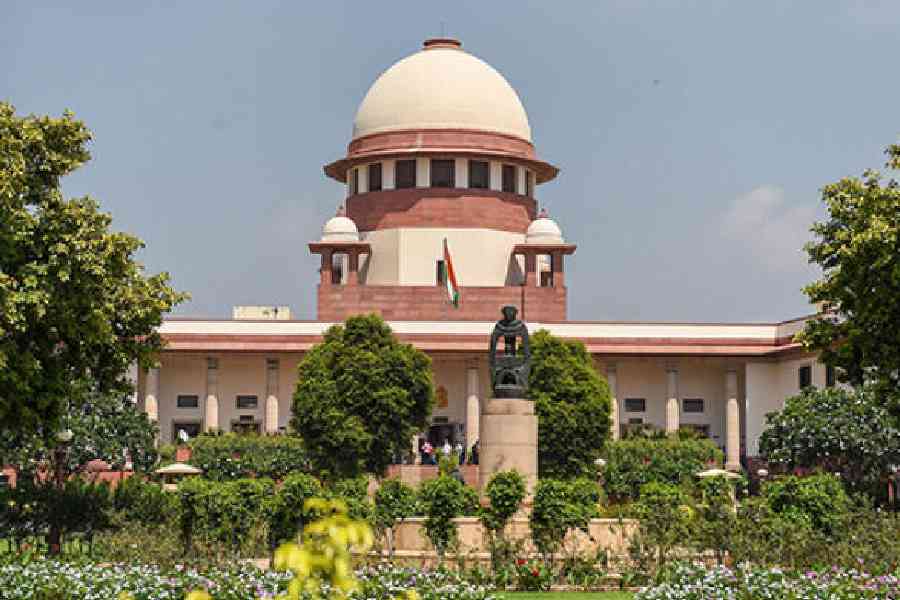
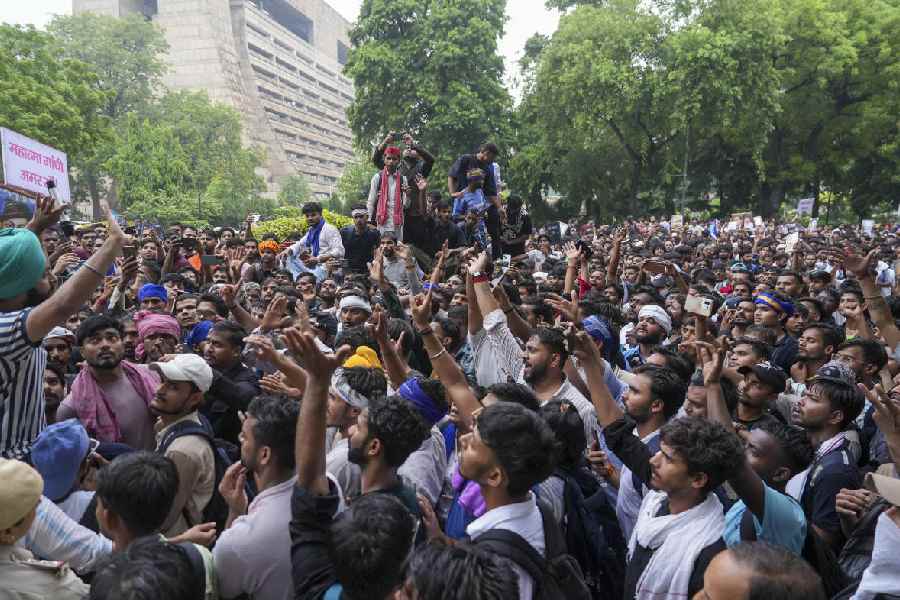
Some young people in India were very upset because they believe an important exam was unfair.
They held a protest called the Jantar Mantar exam-fraud agitation.
On July 20, they marched toward the Parliament building in Delhi.
During the march, there were fights with police, and the police were accused of hurting students.
The Supreme Court of India talked about what happened.
The Chief Justice, Surya Kant, said the government should not be mean to young protesters.
He said being too rough could make things worse and cause more violence.
He thinks adults should listen to young people and talk to them calmly.
The court is now deciding whether the people who organized the protest should be punished.
The court also wants to make new rules for how police deal with protests in the future.

The Supreme Court orally cautioned that 'aggression' from the 'mighty State' against young protesters could 'aggravate the situation and precipitate further violence.'
The bench agreed to examine a petition by retired IAF officer Maneesh Kumar Solanki seeking action against the organisers of the Jantar Mantar exam-fraud agitation.
Chief Justice Surya Kant said youngsters need 'advice and counselling' and that reasoning is 'the most powerful resource.'
The July 20 march to Parliament saw clashes in which security forces were accused of beating and teargassing students and firing pellet guns.
The petition was tagged with pleas seeking an independent probe into the July 20 violence; the court has said it will lay down all-India guidelines on handling public protests.
- Who
- The Supreme Court of India, led by Chief Justice Surya Kant, and retired IAF officer Maneesh Kumar Solanki, who filed the petition.
- What
- The court examined a petition seeking action against the organisers of the Jantar Mantar exam-fraud agitation and cautioned against aggressive state action toward young protesters.
- Where
- Jantar Mantar and Parliament in New Delhi, India; the hearing was at the Supreme Court of India.
- When
- During a hearing on a Wednesday, following the July 20 protest march and a July 27 Supreme Court hearing.
- Why
- To prevent further violence, decide whether cases against the organisers should be withdrawn, and address alleged police excesses during the July 20 clashes.
Conciliatory and restraint side
Rule-of-law and accountability side
Withdrawal of criminal cases against organisers
Conciliatory and restraint side
Criminal prosecution should be waived for young protesters, who could instead be directed to do community service; pacifying them matters more than punishment.
Rule-of-law and accountability side
Withdrawing cases would set a dangerous precedent; organisers who marched toward Parliament must be held accountable under the rule of law.
Responsibility for the July 20 violence
Conciliatory and restraint side
Security forces allegedly beat and teargassed students and fired pellet guns; an independent probe into police excesses is required.
Rule-of-law and accountability side
Families of police personnel injured on July 20 have sought action against the protesters, stressing that police lives also matter.
How the state should respond to young protesters
Conciliatory and restraint side
Aggressive state approaches may aggravate the situation; youths need advice, counselling and peaceful dialogue.
Rule-of-law and accountability side
The government cannot be seen as 'bending backwards,' and everyone, including protesters, should be accountable even for potential violence.
Key facts
- Court
- Supreme Court of India
- Chief Justice
- Surya Kant
- Petitioner
- Retired IAF officer Maneesh Kumar Solanki
- Protest
- Jantar Mantar exam-fraud agitation
- Key incident
- July 20 march to Parliament
- Allegations against police
- Beating, teargassing and firing pellet guns at students
- Petition's suggestion
- Community service for young protesters instead of criminal prosecution
- Bench members
- Justices Joymalya Bagchi and V. Mohana
Quotes
Chief Justice Surya Kant
Head of the Supreme Court bench hearing the case
“These are youngsters. They need advice and counselling. Any aggressive approach coming from the other side in the name of the mighty State may also unnecessarily aggravate the situation and precipitate further violence. That needs to be avoided.”
 telegraphindia.com
Rizwan Ahmed
Counsel for petitioner Maneesh Kumar Solanki
“What if they (the protesters) had opened fire?”
telegraphindia.com
Sources
Related news
Supreme Court: listen to, pacify youth over protest violence
Supreme Court Urges Police Restraint During Sansad Chalo Protests

Supreme Court Urges Restraint With Student Protesters Amid NEET Row

Supreme Court counsels reasoning over repression for NEET-UG protesters

Supreme Court Urges Review as Government Faces Protest Cases
Centre Seeks Supreme Court Quashing of NEET Protest FIRs
PUCL Urges CJI Action Over Rajasthan High Court Allegations

Supreme Court Questions IPS Deputation for CAPF Leadership Positions

Supreme Court Quashes 20-Year Conviction, Reaffirms Juvenile Legal Protections

Two Years After RG Kar Doctor's Rape-Murder, Case Remains Unresolved

ED widens Chhattisgarh probes with two arrests and searches