

1 day ago
Supreme Court Bars Forceful Vehicle Seizures in Loan Defaults
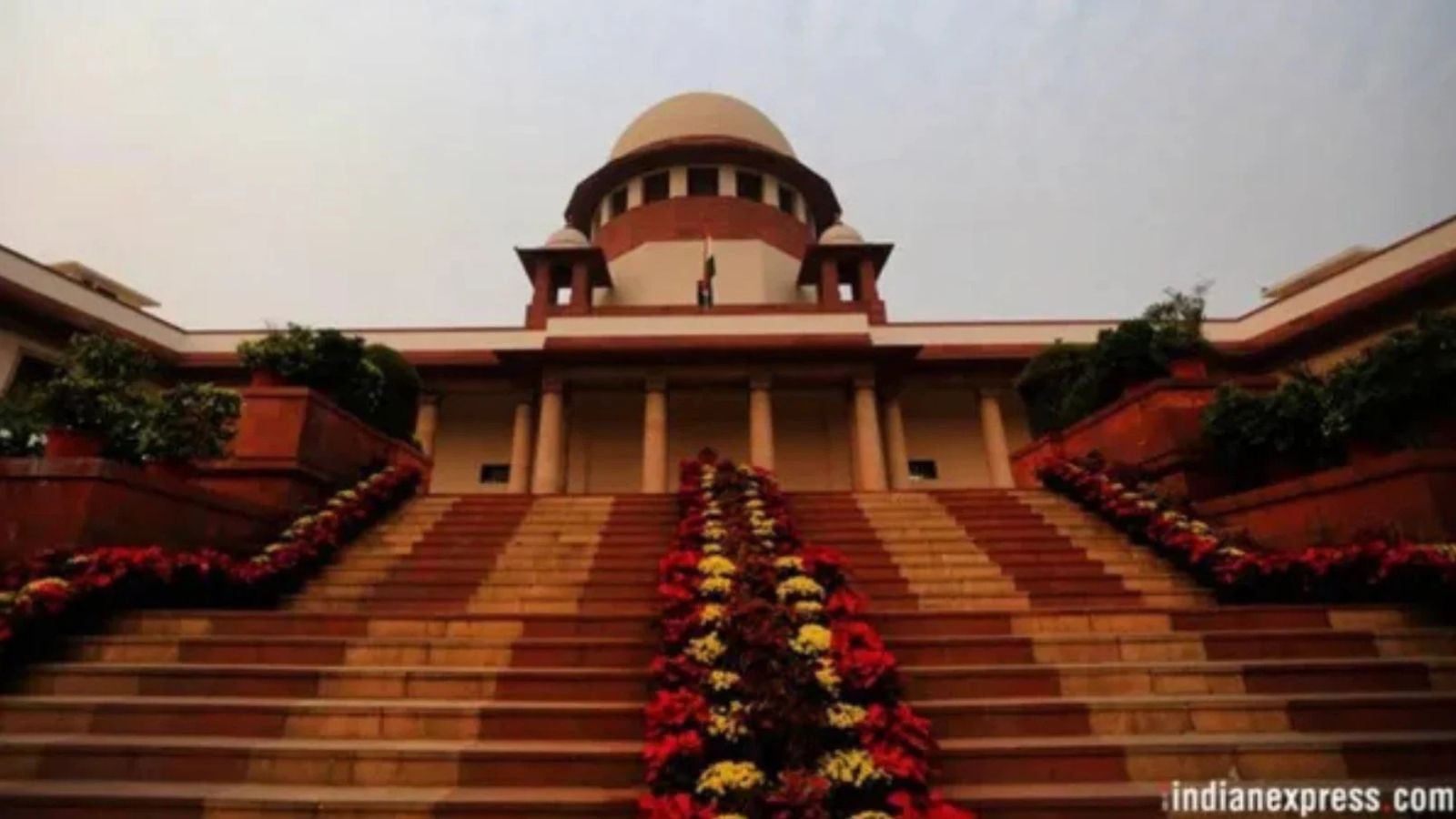
The Supreme Court said lenders cannot take away vehicles using force when borrowers miss loan payments.
A borrower said people broke his truck’s steering lock and drove it away at night.
The truck had been financed by Cholamandalam Investment and Finance Company Ltd.
The company had earlier sent notices and repossessed the vehicle after missed payments.
But the court found that the final repossession happened without the required seven-day notice.
It said lenders may recover their money, but they must follow the law.
The court compared forceful seizure to the “goondaism” it had condemned before.
It ordered compensation and told the Reserve Bank of India to enforce its rules.

The Supreme Court said banks and NBFCs cannot use force to seize vehicles after loan defaults.
The ruling followed a dispute involving a truck financed by Cholamandalam Investment and Finance Company Ltd.
The borrower alleged unidentified people broke the truck’s steering lock and took it around 1 a.m. without notice.
The court said repossession must follow contractual terms, RBI guidelines, legal procedures, notice and due process.
The court ordered compensation for the borrower and directed RBI to ensure genuine compliance with its guidelines.
- Who
- The Supreme Court, a borrower, Cholamandalam Investment and Finance Company Ltd, banks, NBFCs and the Reserve Bank of India.
- What
- The court ruled that lenders cannot use force to seize financed vehicles and must follow notice and due-process requirements.
- Where
- The dispute involved a truck parked near a godown in Ayodhya, and the case was considered by the Supreme Court.
- When
- The ruling was delivered on a Wednesday; the alleged truck seizure occurred on April 9, 2023. The court also cited RBI guidelines issued in 2003 and a 2007 precedent.
- Why
- The court said forceful repossession can turn lending intended to support financial inclusion into oppression and found that the borrower was not given the required notice.
Borrower and Due Process
Lender Recovery Rights
Right to repossess financed assets
Borrower and Due Process
The borrower argued that the truck was taken without notice, after unidentified people broke its steering lock at night.
Lender Recovery Rights
The court acknowledged that a financier’s initial right to possess a financed vehicle can arise from the loan contract and supports lending against the financed asset.
Method of recovery
Borrower and Due Process
The borrower’s case challenged forceful repossession and sought protection from losing the vehicle used to earn his livelihood without due process.
Lender Recovery Rights
The lender had issued notices after repayment defaults and had previously repossessed and released the truck after the borrower made a lump-sum payment and promised to regularise the account.
Regulatory compliance
Borrower and Due Process
The court held that seizure without the required notice was inconsistent with RBI guidelines and the Indian Contract Act, 1872.
Lender Recovery Rights
The court said lenders have a legitimate need for an efficient recovery mechanism, but that need must be balanced with fair treatment and lawful procedures.
Key facts
- Court
- Supreme Court bench of Justices P S Narasimha and Alok Aradhe
- Lender
- Cholamandalam Investment and Finance Company Ltd
- Vehicle
- A financed commercial truck
- Alleged seizure
- April 9, 2023, at about 1 a.m.
- Notice requirement
- The court found that no seven-day notice was issued before repossession.
- RBI guidance
- The 2003 Fair Practices Code for Lenders prohibits undue harassment and the use of muscle power for loan recovery.
- Court directions
- Compensation was ordered for the borrower, and RBI was directed to secure genuine compliance with its guidelines.
Quotes
Justice Alok Aradhe
Supreme Court justice on the contractual basis and limits of vehicle repossession.
“It is well-settled in law that a financier’s right to take possession of the financed vehicle in the first instance is a matter of contract… They are what make it commercially feasible for institutions to extend credit, against the security of the very asset financed, to borrowers of modest means.”
 indianexpress.com
“Left unchecked, it is capable of being read as an unbridled licence to seize property by stealth, by force or in the dead of night, converting a facility meant to promote financial inclusion into an instrument of oppression against the very class it was designed to serve.”
indianexpress.com
Sources
Related news

Supreme Court Orders RBI Action Against Stealthy Vehicle Repossessions

High Court Rules Digital Arrest Victim Must Repay Bank Loan

Loan Default Risks: When Can Individual Borrowers Face Jail?

High Court Warns Traffic Police Against Turning Challans Into Revenue Drive

India's NBFC Body Urges RBI to Ease Revolving Credit Restrictions

Lucknow Youth Held, Forced to Sell Blood Over Phone EMI
Supreme Court Dismisses PIL Seeking Fraud-Proof Medical Verification

Supreme Court Dismisses 271 Appeals Over Soldiers’ Disability Pensions
Supreme Court Upholds NCTE Teacher Appraisal Notice
