1 hr ago
Supreme Court Declines Plea Against School Entry Restrictions

The Supreme Court chose not to hear a case about rules limiting who can enter some government schools.
The rules affect outsiders, journalists, YouTubers and civil society groups.
They also require permission to take pictures, record videos or livestream inside schools.
The rules were made in Rajasthan and several districts of Uttar Pradesh.
A political campaign had been sharing videos showing the condition of government schools.
The person who filed the case said the rules could stop people from reporting on public schools.
They said documenting buildings and facilities is different from recording children.
They also said children’s privacy and safety should still be protected.
The Supreme Court refused to entertain the plea, without the article stating its reasons.

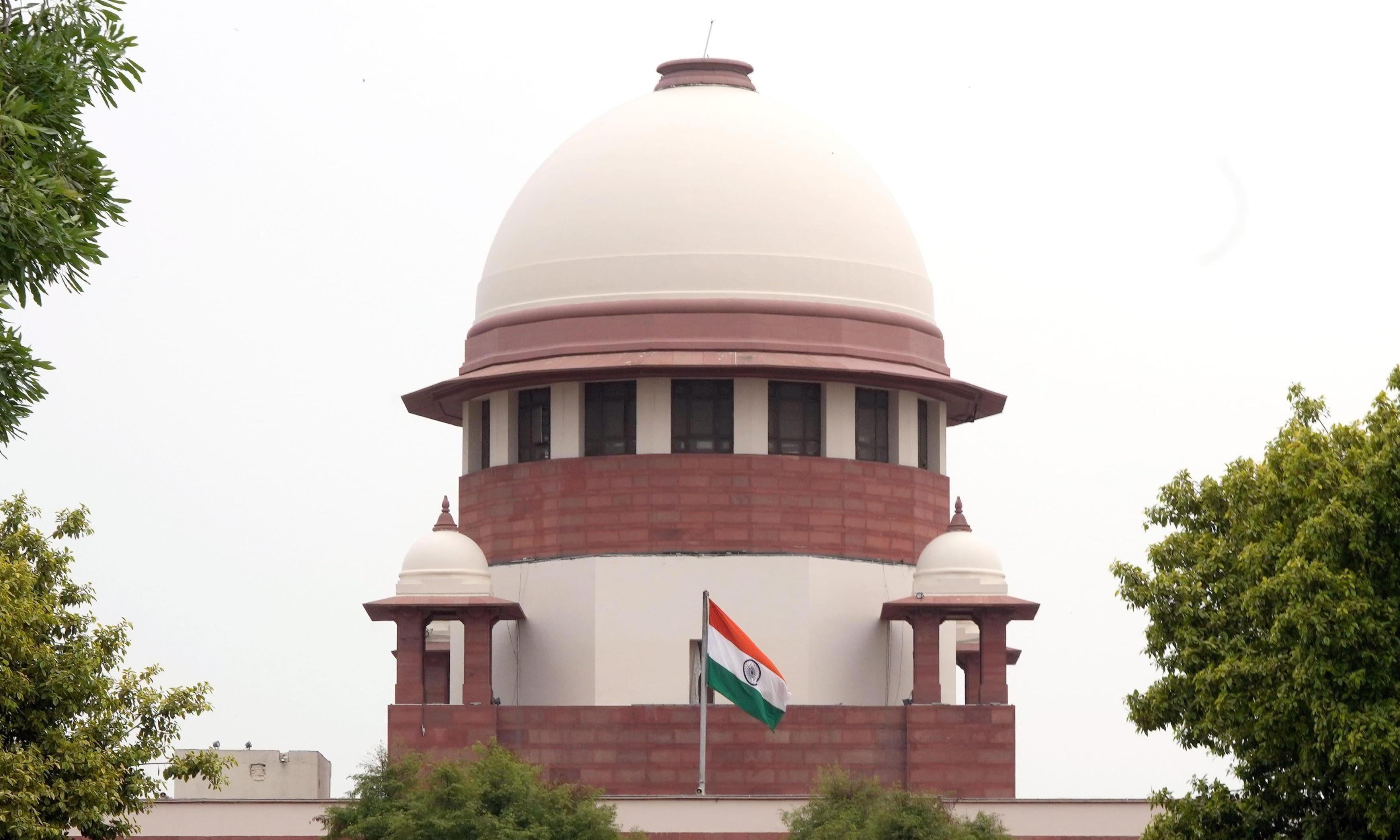
The Supreme Court refused to hear a plea challenging restrictions on outsiders entering government schools in Uttar Pradesh and Rajasthan.
The orders require permission for photography, videography, interviews, audio recording and livestreaming inside schools.
The restrictions were issued in Rajasthan on August 16 and in Ayodhya, Uttar Pradesh, on August 19, with other districts following.
The plea argued that the rules violate constitutional rights to equality, freedom and life and personal liberty under Articles 14, 19 and 21.
The petitioner said public-interest documentation can show school conditions while still protecting children’s privacy, dignity and safety.
- Who
- The Supreme Court, the Uttar Pradesh and Rajasthan governments, and the petitioner challenging the restrictions.
- What
- The Supreme Court refused to entertain a plea against rules limiting entry and recording inside government schools.
- Where
- Rajasthan and Uttar Pradesh, including Ayodhya and other Uttar Pradesh districts.
- When
- The court’s refusal was reported on Thursday; Rajasthan issued its order on August 16 and Ayodhya issued a similar order on August 19.
- Why
- The petitioner sought to protect public-interest documentation of school conditions while arguing that the restrictions violated constitutional rights.
Petitioner’s View
State Authorities’ Position
Access and documentation
Petitioner’s View
The petitioner argued that journalists, civil society representatives and others should be able to document public-interest issues in government schools, subject to reasonable safeguards.
State Authorities’ Position
The state orders restrict outsiders’ entry and require permission for recording and livestreaming inside schools.
Children’s protection
Petitioner’s View
The petitioner said protecting children’s privacy, dignity and safety should not automatically prevent documentation of buildings, classrooms, toilets, drinking water, electricity and mid-day meals.
State Authorities’ Position
The restrictions, as described in the article, apply to activities inside schools amid concerns addressed by the petitioner about children’s privacy, dignity and safety.
Constitutional rights
Petitioner’s View
The petition contended that the restrictions violate Articles 14, 19 and 21, including freedom of speech and expression and legitimate journalism.
State Authorities’ Position
The Uttar Pradesh and Rajasthan orders remained in effect after the Supreme Court refused to entertain the challenge, according to the article.
Key facts
- Court action
- The Supreme Court refused to entertain the public interest litigation.
- States involved
- Uttar Pradesh and Rajasthan
- Restricted activities
- Photography, videography, interviews, audio recording and livestreaming require permission inside the schools.
- Rajasthan order
- Issued on August 16
- Uttar Pradesh order
- Issued by the basic education officer in Ayodhya on August 19
- Constitutional provisions cited
- Articles 14, 19 and 21
- Campaign context
- The Cockroach Janta Party campaign had shared volunteer-recorded videos of government schools.
Sources
Related news
Supreme Court Petition Challenges School Access Curbs on Journalists

Gehlot Demands Withdrawal of Rajasthan School Access Restrictions

UP's Ballia Bars YouTubers, Social Media Persons from Schools

AISF Alleges Entry Denied During Mumbai School Audit

CJP Challenges Rajasthan Government to Showcase Ten Schools
Activist’s Jantar Mantar Attack Claims Spur Questions Over Police
Vijayendra Demands Farm Loan Waiver, Drought Session in Karnataka
BJP Attacks Congress Over Veteran’s Ram Temple CEO Appointment
Trinamool Seeks Presidential, Gubernatorial Meetings Over Bengal Lawlessness