

1 day ago
Loan Default Risks: When Can Individual Borrowers Face Jail?

Missing a loan payment can be treated as a default under the loan agreement.
After payments are overdue for more than 90 days, a loan may become a non-performing asset.
For a secured loan, such as a home or car loan, the bank may eventually take and sell the pledged asset.
The bank may also try to recover unpaid money from other assets belonging to the borrower, except assets protected by law.
A borrower’s family usually does not have to repay the loan unless a family member gave a guarantee.
A borrower can ask for a lower settlement or a new repayment plan, but the bank does not have to agree.
Simply being unable to repay is not normally a crime and cannot by itself lead to jail.
Jail may become possible in special cases involving alleged cheating or a dishonoured cheque.

A missed EMI can count as a default under the loan agreement, even after one day.
Loan accounts generally become NPAs when payments remain overdue for more than 90 days.
Secured lenders may enforce collateral after a 60-day notice under the SARFAESI Act, 2002.
Loan default alone is a civil matter, but cheating or cheque dishonour may create criminal liability.
Borrowers may seek restructuring or a one-time settlement, but lenders are not required to approve it.
- Who
- Individual borrowers, lenders, guarantors, and the courts or Debts Recovery Tribunal may be involved.
- What
- The article explains the legal and financial consequences of failing to repay secured and unsecured loans.
- Where
- Under the Indian legal and banking framework, including the SARFAESI Act, 2002 and the Insolvency and Bankruptcy Code, 2016.
- When
- A default may occur when an instalment is missed; an account generally becomes an NPA after more than 90 days overdue, followed by a 60-day enforcement notice for certain secured loans.
- Why
- To recover unpaid debt, lenders may impose charges, report the default, enforce collateral, attach eligible assets, or pursue other legal remedies.
Key facts
- Default timing
- A missed instalment can be considered a default under the loan agreement, potentially even after one day.
- NPA classification
- A loan account is generally classified as a non-performing asset when dues remain overdue for more than 90 days.
- Secured-loan notice
- A secured lender may issue a notice under Section 13(2) of the SARFAESI Act, 2002 and enforce security after 60 days.
- Asset recovery
- After obtaining a civil-court decree or DRT recovery certificate, a lender may attach and sell eligible assets belonging to the borrower.
- Family liability
- Family members are not liable unless they provided a guarantee; a guarantor’s liability is co-extensive with the borrower’s.
- Settlement
- Borrowers may propose a compromise or one-time settlement under the lender’s approved policy, but approval is not a legal right.
- Imprisonment risk
- Default alone is a civil wrong and does not justify imprisonment for inability to pay; criminal liability may arise in cases such as cheating or cheque dishonour.
Quotes
Mukesh Chand
Senior Counsel at Economic Laws Practice
“Bankruptcy, under the Insolvency and Bankruptcy Code, 2016, is a separate status that may arise when the borrower fails to repay the debt and cannot provide an acceptable repayment plan, or when creditors reject the proposed plan.”
 livemint.com
“Once a lender obtains a decree from a civil court or a recovery certificate from the Debts Recovery Tribunal, it may attach and sell the borrower's other assets in execution.”
livemint.com
Sources
Related news

Know when banks can seize property after loan default

RBI rules bar device locking and harassment in loan recovery
RBI bars banks from disabling mobile devices of defaulting borrowers

Allahabad High Court: Banks Can Recover Full Dues From Guarantors

High Court Rules Digital Arrest Victim Must Repay Bank Loan

RBI Tightens Loan Recovery Rules, Bans Borrower Harassment
Xrbia Promoters Booked in Alleged ₹1,558 Crore Fraud

RBI recovery agent policy guidelines effective from January 2027
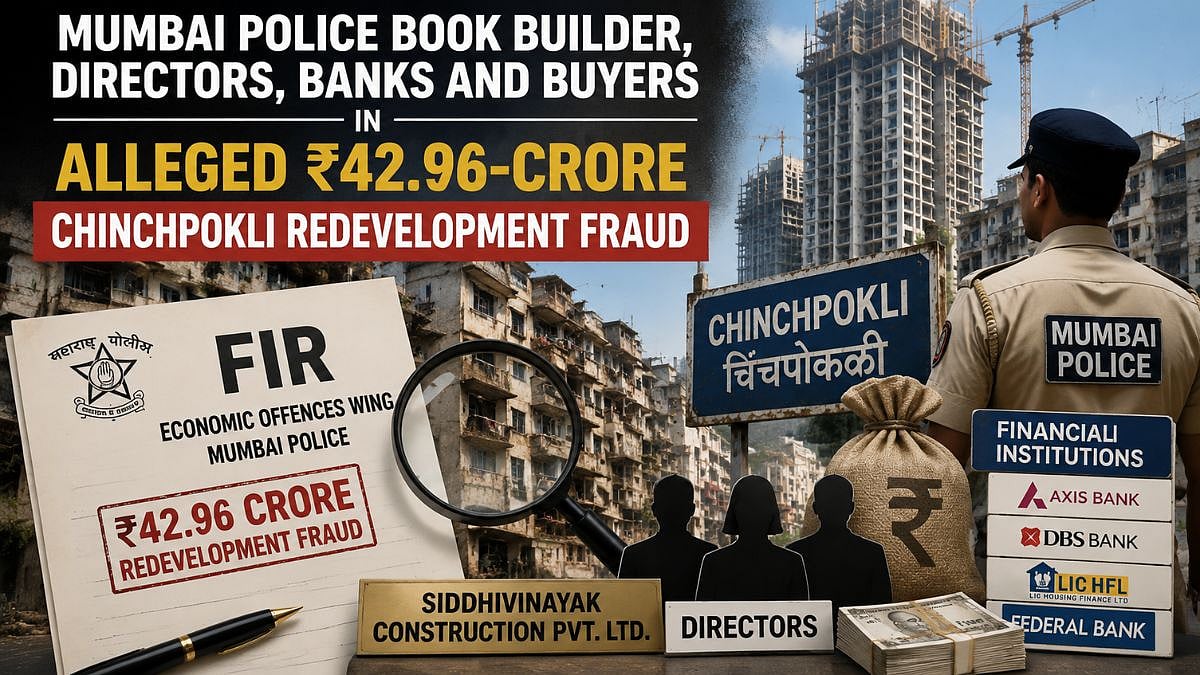
Mumbai Police Probe Alleged ₹42.96-Crore Chinchpokli Redevelopment Fraud
