1 hr ago
Supreme Court Tightens Vehicle Repossession Rules, Penalizes Financier
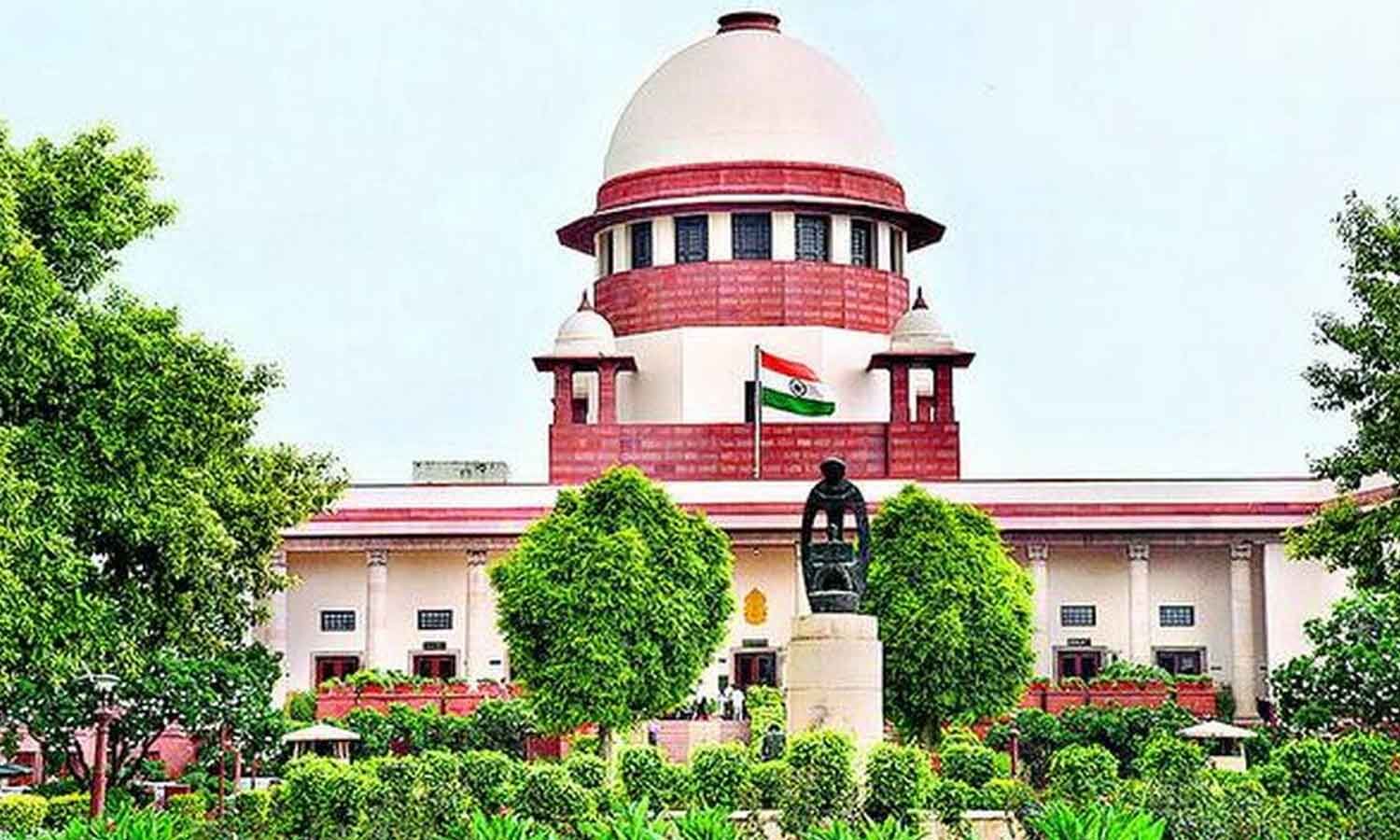
The Supreme Court considered a dispute about a truck loan.
Hari Dutta Sharma said his truck was taken away at night without the required notice.
The finance company later sold the truck for Rs 4.5 lakh.
The court said lenders can take back financed vehicles when their contracts allow it.
However, they must follow the law and the required safety rules.
The court said taking a vehicle secretly or by force cannot be allowed.
It ordered the finance company to return the sale money with interest and pay compensation.
It also told the Reserve Bank of India to make sure lenders follow its rules.
The court said these rules had not been properly enforced before.

The Supreme Court said financed vehicles must be repossessed only through lawful means.
The ruling followed the repossession of Hari Dutta Sharma’s Tata SFC 407 in April 2023.
Cholamandalam Investment and Finance Company sold the truck for Rs 4.5 lakh after repossessing it.
The company was ordered to close Sharma’s loan accounts, refund the sale proceeds with six per cent interest, and pay Rs 10 lakh compensation plus Rs 50,000 in costs.
The court directed the Reserve Bank of India to secure compliance with repossession safeguards among NBFCs and scheduled commercial banks.
- Who
- The Supreme Court, Hari Dutta Sharma, Cholamandalam Investment and Finance Company Ltd, and the Reserve Bank of India.
- What
- The court ordered compensation and loan closure after finding that a financed truck was repossessed without following the required procedure, and directed the RBI to enforce its safeguards.
- Where
- The truck was taken from a consignor’s godown in Ayodhya; the case also involved an Allahabad High Court order.
- When
- The truck was repossessed on April 9, 2023; it was sold on August 31, 2023; the Supreme Court issued its directions on Wednesday.
- Why
- The court found that the repossession process did not comply with the loan agreement and applicable RBI safeguards, including the notice requirement.
Contractual Repossession Rights
Strict Procedural Safeguards
Lenders’ right to recover vehicles
Contractual Repossession Rights
A financier may repossess a financed vehicle when the loan contract provides for that right. The Supreme Court said such clauses can make lending possible to small transporters and borrowers without conventional collateral.
Strict Procedural Safeguards
The contractual right is not unlimited and must be exercised with great caution because repossession initially occurs outside direct court supervision.
Notice and method of repossession
Contractual Repossession Rights
The finance company relied on its contractual and recovery rights after Sharma defaulted on repayments and later sought the outstanding balance after selling the truck.
Strict Procedural Safeguards
The court held that the agreement’s provisions allowing notice to be dispensed with and the repossession and sale process to be determined at the financier’s discretion were inconsistent with RBI guidelines and the Indian Contract Act.
Regulatory enforcement
Contractual Repossession Rights
The RBI had already issued guidelines, Master Circulars, and clarifications concerning notice, lawful possession, and recovery-agent conduct.
Strict Procedural Safeguards
The court said those safeguards had existed only on paper and directed the RBI to take effective steps to ensure genuine compliance by NBFCs and scheduled commercial banks.
Key facts
- Borrower
- Hari Dutta Sharma
- Financier
- Cholamandalam Investment and Finance Company Ltd
- Vehicle
- Tata SFC 407
- Loan amount
- Rs 10.40 lakh, with Rs 9.36 lakh disbursed and a supplementary loan of Rs 1.04 lakh
- Sale proceeds
- The truck was sold for Rs 4.5 lakh on August 31, 2023
- Court-ordered payment
- Rs 10 lakh compensation, Rs 50,000 litigation costs, and a refund of Rs 4.5 lakh with six per cent annual interest
- Regulatory direction
- The Reserve Bank of India was directed to secure genuine compliance with its repossession safeguards
Quotes
Justice PS Narasimha
Supreme Court judge who authored the judgment
“Such clauses of self-help repossession are not, in themselves, an evil to be eradicated: they are what make it commercially feasible for institutions to extend credit, against the security of the very asset financed, to borrowers of modest means, truck operators and small transporters among them, who possess no conventional collateral and would otherwise remain outside the reach of institutional finance.”
 telegraphindia.com
 thehansindia.com
“It is well-settled in law that a financier's right to take possession of the financed vehicle in the first instance, is a matter of contract, where an agreement confers such a right, there is no legal impediment to its exercise unless the contract is unconscionable or opposed to public policy.”
thehansindia.com
Sources
Related news

High Court Rules Digital Arrest Victim Must Repay Bank Loan

India's NBFC Body Urges RBI to Ease Revolving Credit Restrictions

Supreme Court Releases Gujarat Liquor Truck After 20 Months

Bombay High Court Orders SBI Payments Over Lost Property Deeds

Four Arrested After Bengaluru Woman Allegedly Assaulted Over Loans
RBI Proposes 60-Day Debit Holds for Suspected Money-Mule Accounts
Supreme Court Rejects Plea for Fraud-Proof Medical Degree Verification

Supreme Court Dismisses 271 Appeals Over Soldiers’ Disability Pensions
Supreme Court Upholds NCTE Teacher Appraisal Notice

Supreme Court Declines PIL Against Rajasthan, UP School Curbs