

1 week ago
When H1N1, COVID-19 Or Typhoid Need Different Tests

H1N1, COVID-19 and other infections can cause very similar symptoms.
A fever and cough alone cannot show which illness a person has.
Doctors may use an RT-PCR or another molecular test when the answer could change treatment.
Testing is especially important for people who are very sick or more likely to develop complications.
Healthy people with mild symptoms who are getting better may not need testing.
A broad respiratory panel can look for several viruses at once, but it is not needed for everyone.
People who recover well usually do not need another PCR test.
This is because viral material can remain after a person feels better.
Worsening symptoms should be checked by a doctor because complications such as pneumonia can occur.

Delhi reported 1,777 H1N1 cases this year, including 114 new cases on August 20, while Karnataka exceeded 4,000 cases.
Symptoms such as fever, cough and body aches cannot reliably distinguish H1N1 from COVID-19, seasonal flu or other infections.
Molecular tests, including RT-PCR, are preferred when confirmation is needed because rapid antigen tests are less sensitive.
Testing is most useful when patients are high-risk, seriously ill, hospitalized or likely to receive different treatment based on the result.
Patients recovering normally usually do not need a repeat PCR, but persistent fever, breathlessness, chest pain or worsening cough require medical evaluation.
- Who
- People with flu-like illness, especially older adults, children, immunocompromised people and those with chronic conditions; doctors and health authorities are involved.
- What
- The article explains how to distinguish and test for H1N1, COVID-19, typhoid and other illnesses during a rise in H1N1 cases.
- Where
- Across India, including Delhi, Karnataka and Bengaluru.
- When
- During the current monsoon season; Delhi reported 114 new H1N1 infections on August 20.
- Why
- Because overlapping symptoms cannot identify the infection, while targeted testing can guide treatment, infection-control decisions and further evaluation.
Key facts
- Delhi H1N1 cases
- 1,777 cases reported this year, including 114 new infections on August 20.
- Karnataka H1N1 cases
- More than 4,000 cases, with over 2,000 in Bengaluru.
- Preferred confirmation test
- Molecular testing such as RT-PCR is generally more sensitive than rapid influenza antigen tests.
- Best testing window
- Outpatient respiratory specimens should preferably be collected within four days of symptom onset.
- Repeat testing after recovery
- Usually unnecessary when symptoms are improving normally.
- Typhoid positivity
- PharmEasy’s Fever Watch data recorded 25.5% positivity among the illnesses it tracks; the data is not national disease-surveillance data.
- Warning symptoms
- Persistent fever, breathlessness, worsening cough, chest pain or significant persistent fatigue require additional medical evaluation.
Quotes
Dr Sai Kumar
Head of Medical Services at Apollo Home Healthcare
“It is usually difficult to distinguish H1N1, Covid, Seasonal flu or any other flu-related illnesses purely on the basis of clinical symptoms.”
 NDTV
NDTV
“For the patients who are recovering from the disease, you don't need any repeat test if they are recovering well clinically.”
NDTV
Sources
Related news
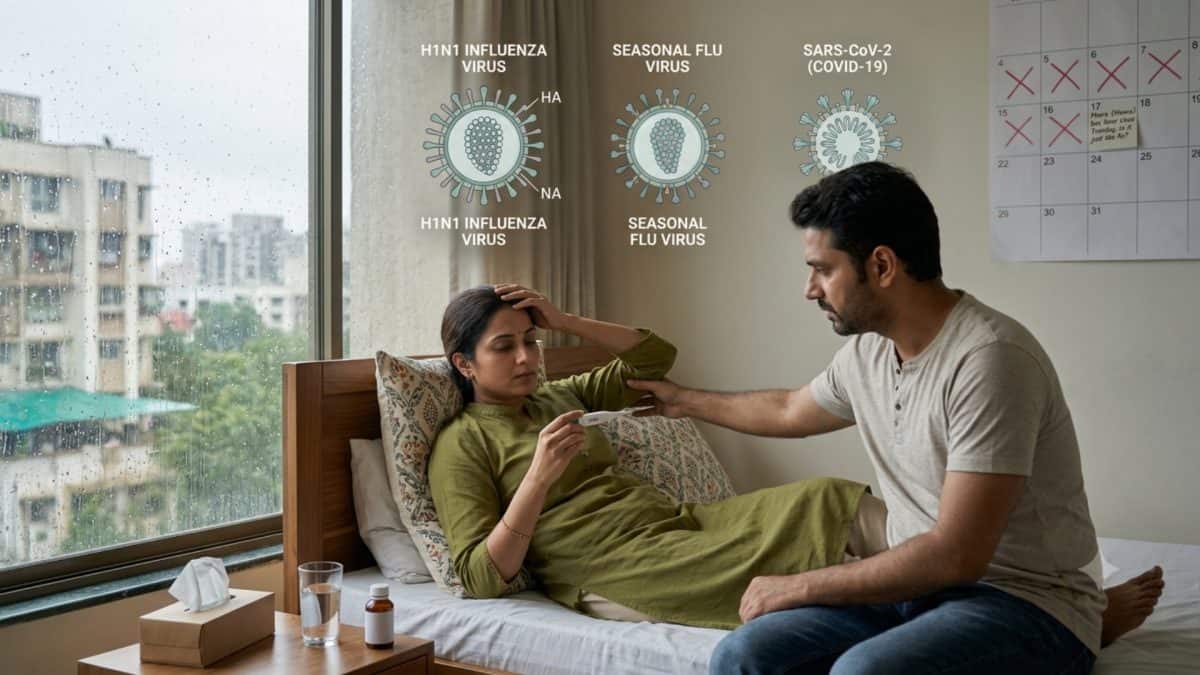
Delhi, Bengaluru H1N1 Surge as Doctors Compare COVID-19

Delhi's H1N1 Cases Surge, Doctors Warn High-Risk Groups
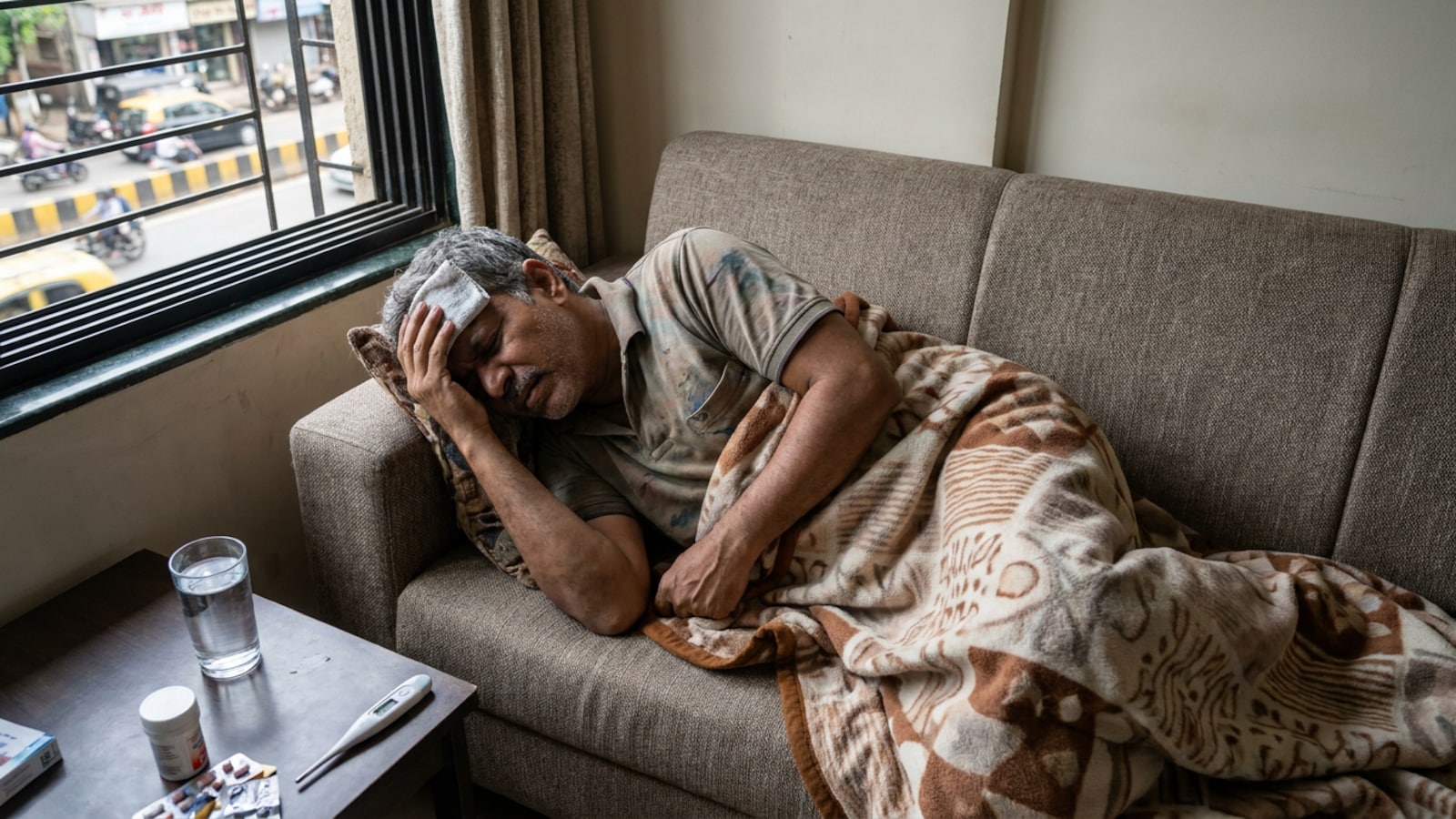
Why Fever Alone Cannot Distinguish H1N1 From Dengue
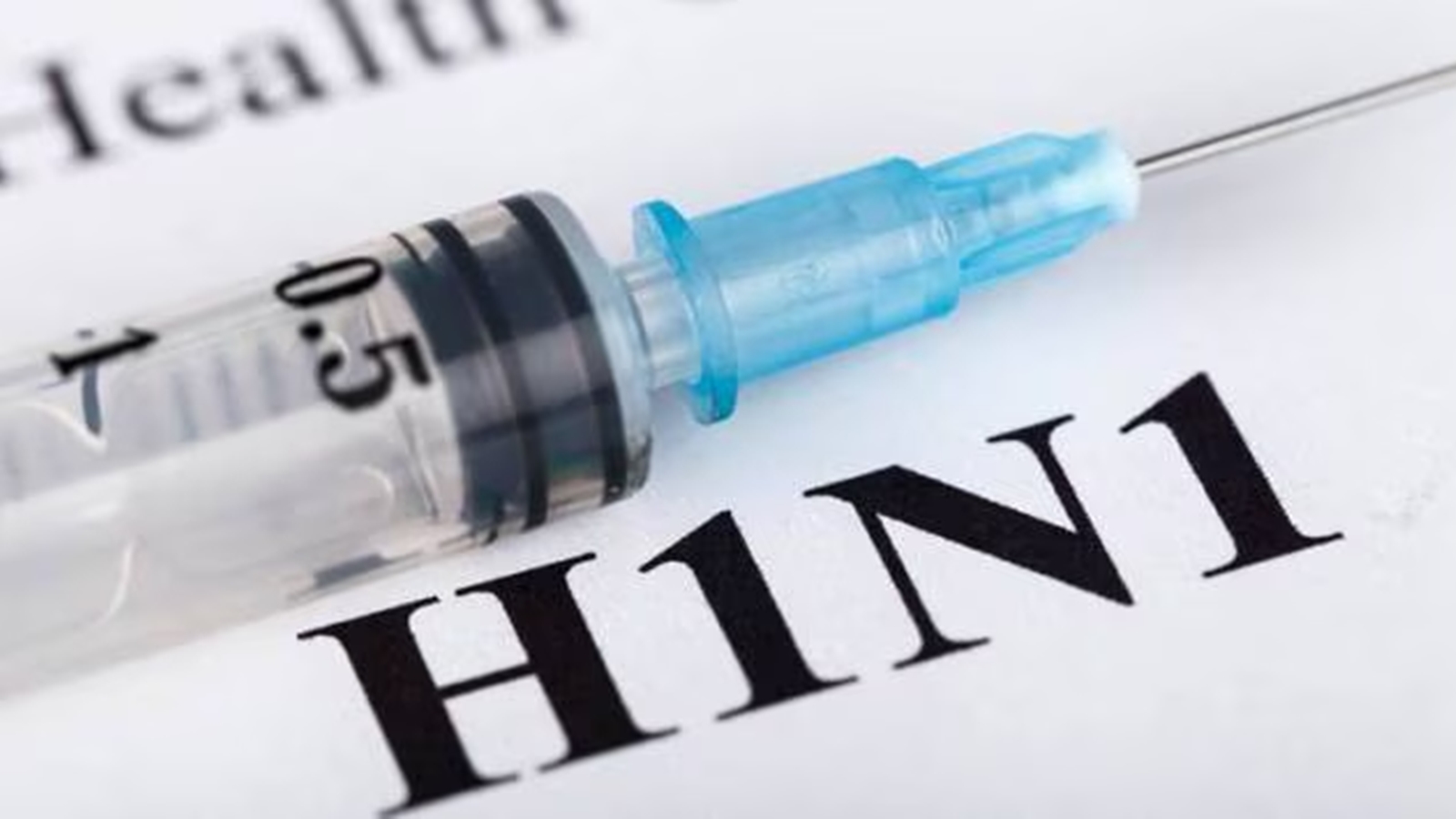
ICMR Says Seasonal H1N1 Flu Rise Needs No Panic
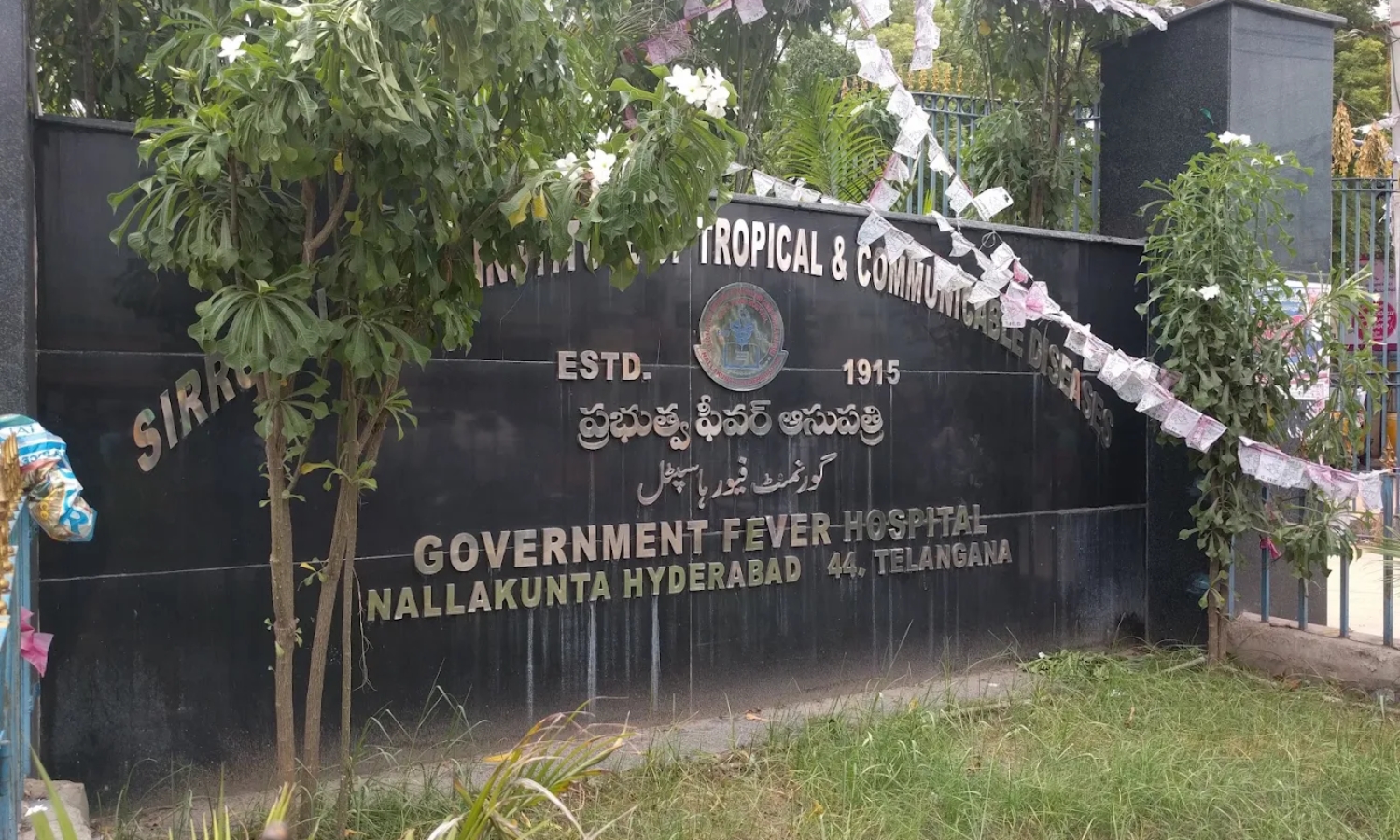
H1N1 Cases Rise as Hyderabad Fever Hospital Sees 500 Daily

Doctors Urge Vigilance as Influenza Cases Rise in Delhi-NCR

The Yellow Diary Launches India Tour With Sold-Out Bengaluru Shows

Court defers approver Pradosh’s statement in Renukaswamy murder case
Shivakumar Seeks NITI Aayog Funds, Backs Second Bengaluru Plan

Viswanathan Anand Says AI Has Transformed Modern Chess

Science Quiz Covers Vehicle Communication, Space, Medicine, Missiles and Time
