2 hrs ago
Pregnancy After 30: Understanding Fertility, Egg Reserve and Health

Many women choose to have children after turning 30.
Pregnancy is still possible and often healthy at this age.
However, the number and quality of a woman’s eggs slowly decrease over time.
This can make getting pregnant harder and can raise some pregnancy risks.
Tests for egg reserve can offer useful information, but they cannot guarantee whether pregnancy will happen naturally.
A doctor can check health conditions, medicines, vaccinations and lifestyle before pregnancy.
Both partners should be evaluated if pregnancy does not happen after the recommended period.
Eating well, exercising, avoiding smoking and managing medical conditions can support reproductive health.
Age matters, but it does not decide whether someone can become a parent.

Fertility gradually declines with age, with changes becoming more noticeable after the mid-30s.
Egg reserve tests such as AMH and antral follicle counts provide information but cannot predict natural pregnancy on their own.
Many women over 30 have healthy pregnancies, although some risks, including gestational diabetes and high blood pressure, become more common with age.
Women under 35 are generally advised to seek evaluation after 12 months of trying, while those 35 or older should consider evaluation after six months.
Healthy habits, preconception counselling and timely medical advice can support informed reproductive decisions.
- Who
- Women considering pregnancy after age 30, along with their partners and healthcare professionals.
- What
- The article explains how age affects fertility, egg reserve, pregnancy risks and when to seek medical advice.
- Where
- The article identifies the writer as a senior consultant at Aster CMI Hospital in Bangalore.
- When
- During World Sexual and Reproductive Health Month; specific dates are not provided.
- Why
- To help women understand age-related fertility changes and make informed reproductive-health decisions without unnecessary fear.
Key facts
- Egg reserve
- The remaining supply of eggs in the ovaries.
- Egg-reserve tests
- AMH testing and antral follicle count on ultrasound can provide information about ovarian reserve.
- Testing limitation
- Ovarian-reserve results do not by themselves predict whether a woman will conceive naturally.
- Evaluation under 35
- Generally recommended after 12 months of regular unprotected intercourse without conception.
- Evaluation at 35 or older
- Generally recommended after six months without conception.
- Pregnancy considerations
- Gestational diabetes, high blood pressure and chromosomal abnormalities become more common with increasing maternal age.
- Health measures
- A balanced diet, regular exercise, avoiding smoking and recreational drugs, limiting alcohol, managing stress and adequate sleep are recommended.
Sources
Related news

Pregnancy After 40: Fertility, IVF and Risks Behind Celebrity News
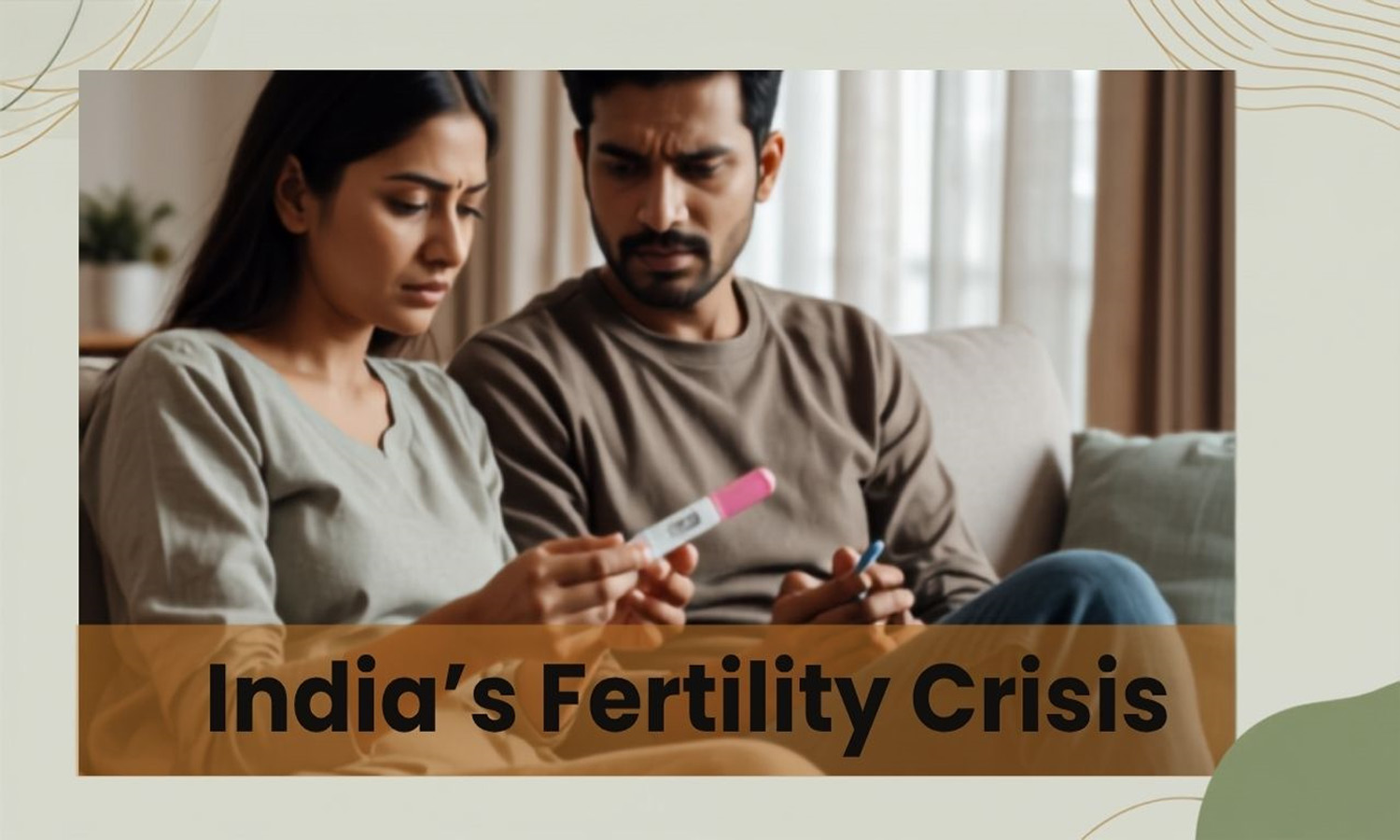
India’s Fertility Crisis Highlights Delayed Parenthood and Reproductive Awareness
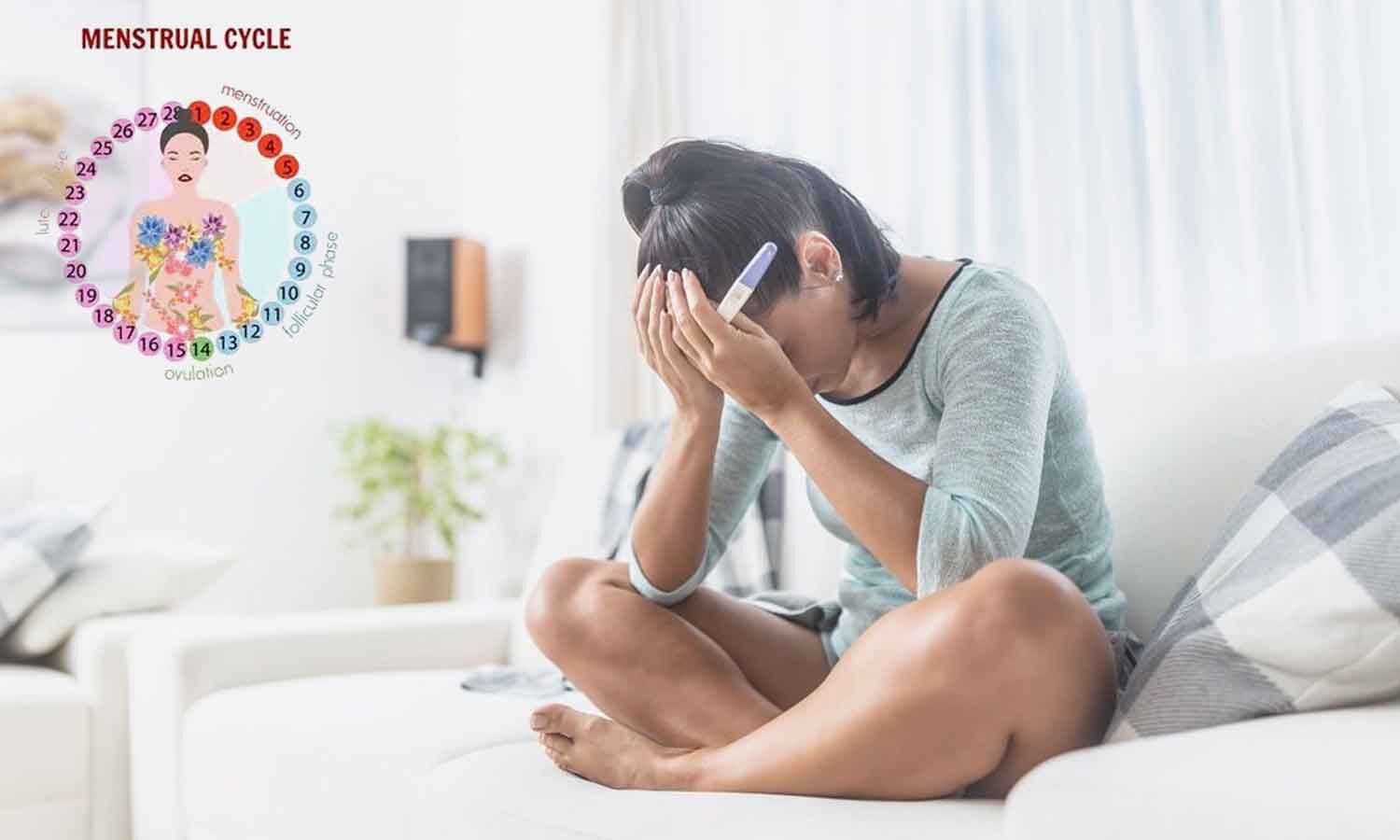
Why Regular Periods Do Not Guarantee Normal Fertility

Daily Lifestyle Choices May Shape Fertility In Later Life
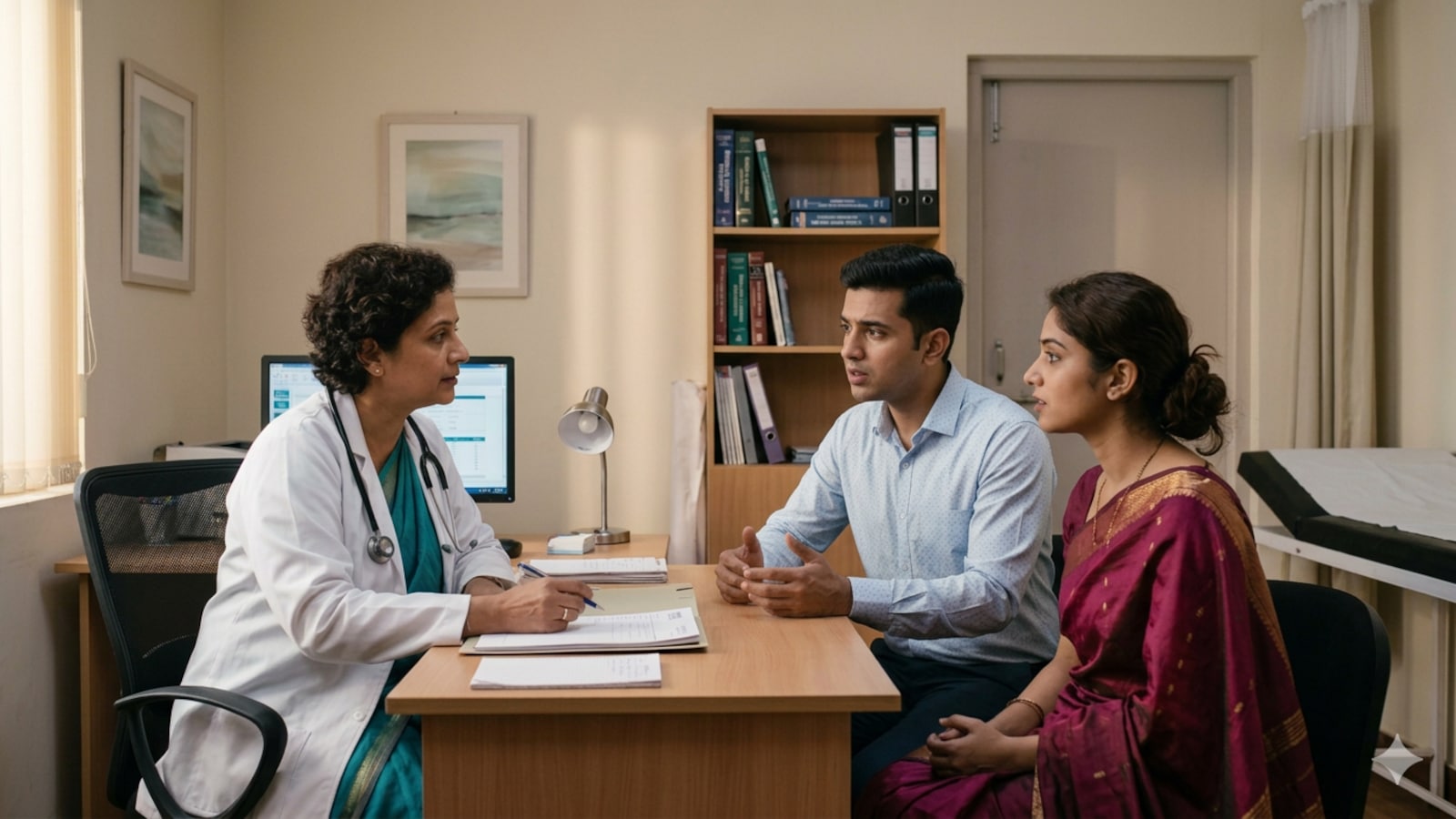
AMH Cannot Reliably Predict Years Of Fertility Remaining
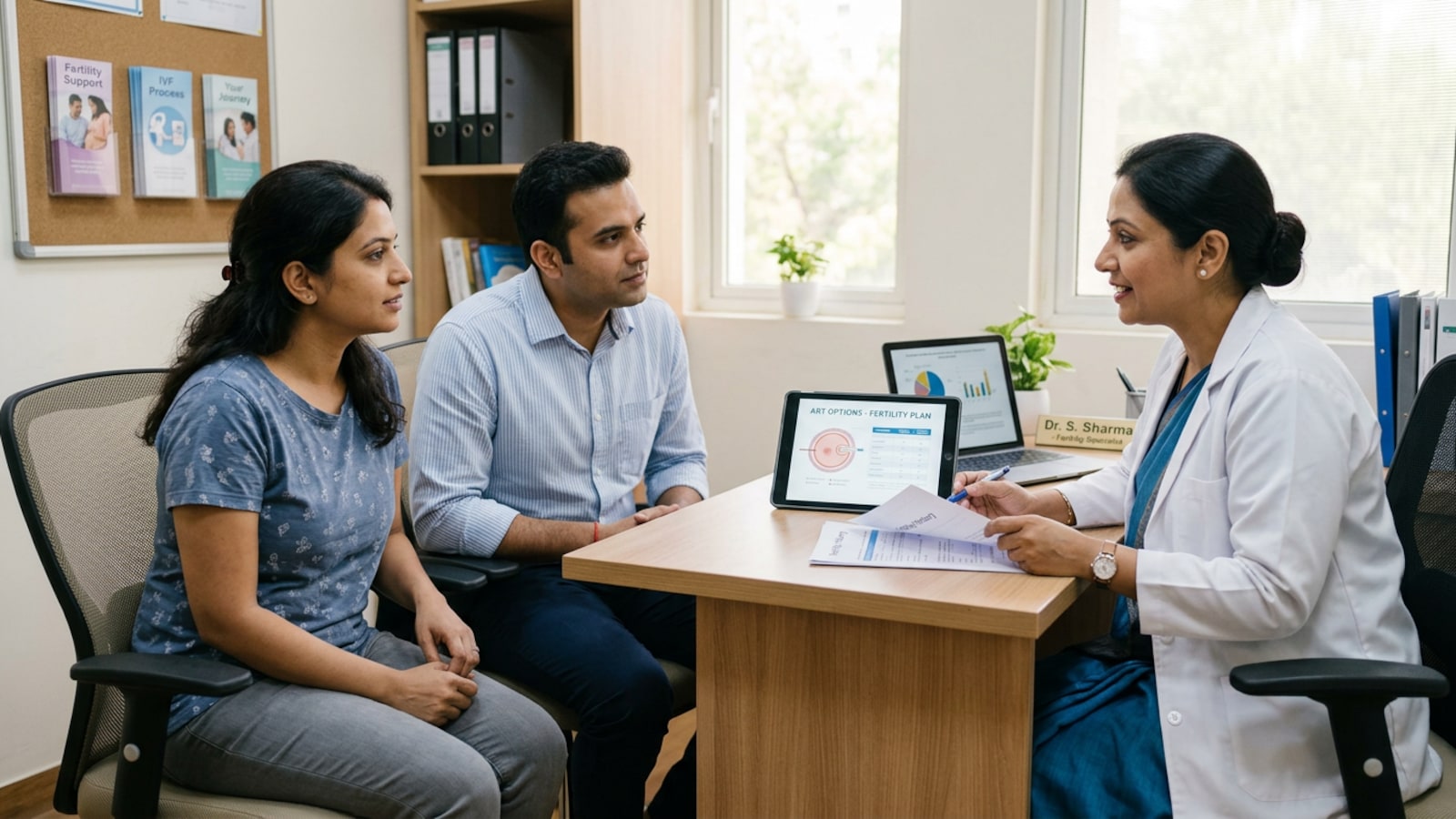
Low AMH With Regular Periods May Still Support Fertility

Fuel Prices Hold Steady as Global Oil Extends Losses

Kuppam Poultry Farmers to Become Entrepreneurs Under Naidu Plan

Readers Debate Festival Excess, Sleep Talking, and Student Accountability

Bengaluru Police File 2,085-Page Chargesheet in Triple Murder Case