1 hr ago
Why Regular Periods Do Not Guarantee Normal Fertility
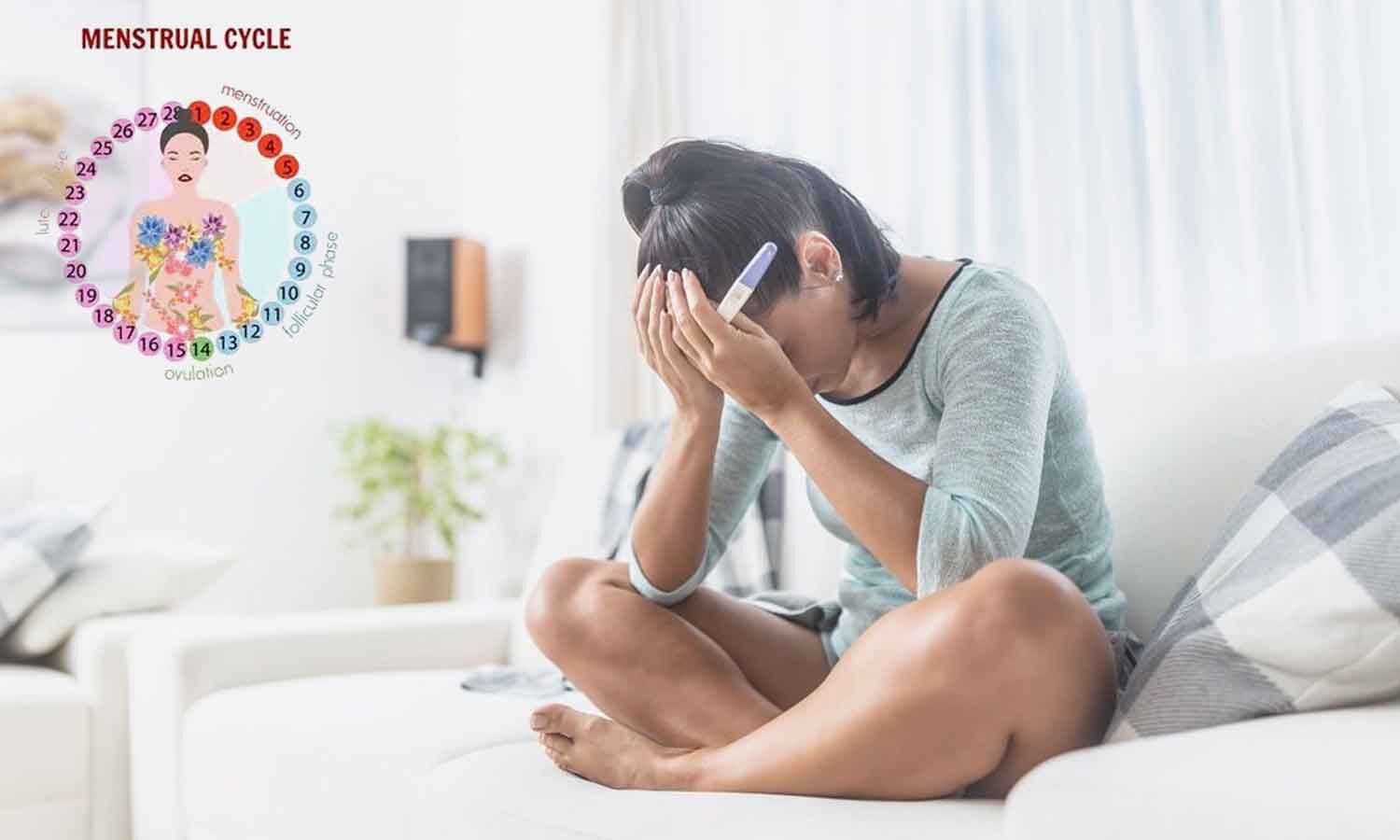
Having a period on a regular schedule is often a good sign, but it is not a complete fertility test.
It may suggest that the body’s hormone signals are working in an organized way.
However, bleeding does not always prove that an egg was released.
Pregnancy also requires healthy eggs, open fallopian tubes, a healthy uterus and healthy sperm.
Conditions such as endometriosis or some forms of polycystic ovary syndrome can cause fertility problems even with regular cycles.
Egg quality can decrease with age, especially in the late 30s and early 40s.
A man’s sperm can also be an important part of the fertility picture.
Couples should seek advice after 12 months of trying if the woman is under 35, or after six months if she is 35 or older.
People with risk factors or who are approaching or over 40 may benefit from seeking help sooner.

Predictable periods often suggest coordinated hormonal signals but do not prove ovulation occurs every cycle.
Blocked or damaged fallopian tubes can prevent sperm and egg from meeting despite regular menstruation.
Regular cycles do not confirm healthy ovarian reserve or egg quality, which is strongly influenced by age.
Endometriosis and some cases of polycystic ovary syndrome can affect fertility even when symptoms or cycles seem mild.
Both partners should be assessed, with fertility evaluation generally advised after 12 months under age 35 or six months at age 35 and older.
- Who
- Women and couples trying to conceive, including both female and male partners.
- What
- The article explains why regular menstrual periods do not guarantee normal fertility.
- Where
- When
- Fertility evaluation is generally advised after 12 months of trying when the woman is under 35, or after six months when she is 35 or older; earlier assessment may be appropriate with risk factors or around age 40.
- Why
- Conception depends on several factors beyond menstruation, including ovulation, egg quality, fallopian tubes, the uterus and sperm quality.
Key facts
- Regular cycles
- Often suggest coordinated hormonal signals and may be associated with regular ovulation, but do not prove ovulation every time.
- Fallopian tubes
- Prior pelvic infections, sexually transmitted infections, endometriosis or pelvic surgery can damage or block them.
- Ovarian reserve
- AMH and antral follicle count can provide information about the remaining egg pool but cannot independently predict natural conception.
- Egg quality
- It is different from ovarian reserve and is strongly influenced by age.
- Male factor
- Semen analysis can assess sperm concentration, motility and morphology.
- Evaluation under 35
- Generally recommended after 12 months of regular, unprotected intercourse without conception.
- Evaluation at 35 or older
- Generally recommended after six months without conception; earlier discussion may benefit women approaching or over 40.
Sources
Related news
India’s Fertility Crisis Highlights Delayed Parenthood and Reproductive Awareness

AMH Cannot Reliably Predict Years Of Fertility Remaining

Women Turn Menstrual Cycles Into A Countdown To 2027

Lean PCOS Can Affect Women With Normal Body Weight

Menstrual Changes May Signal Hidden Health Problems, Doctor Says