1 hr ago
Daily Lifestyle Choices May Shape Fertility In Later Life

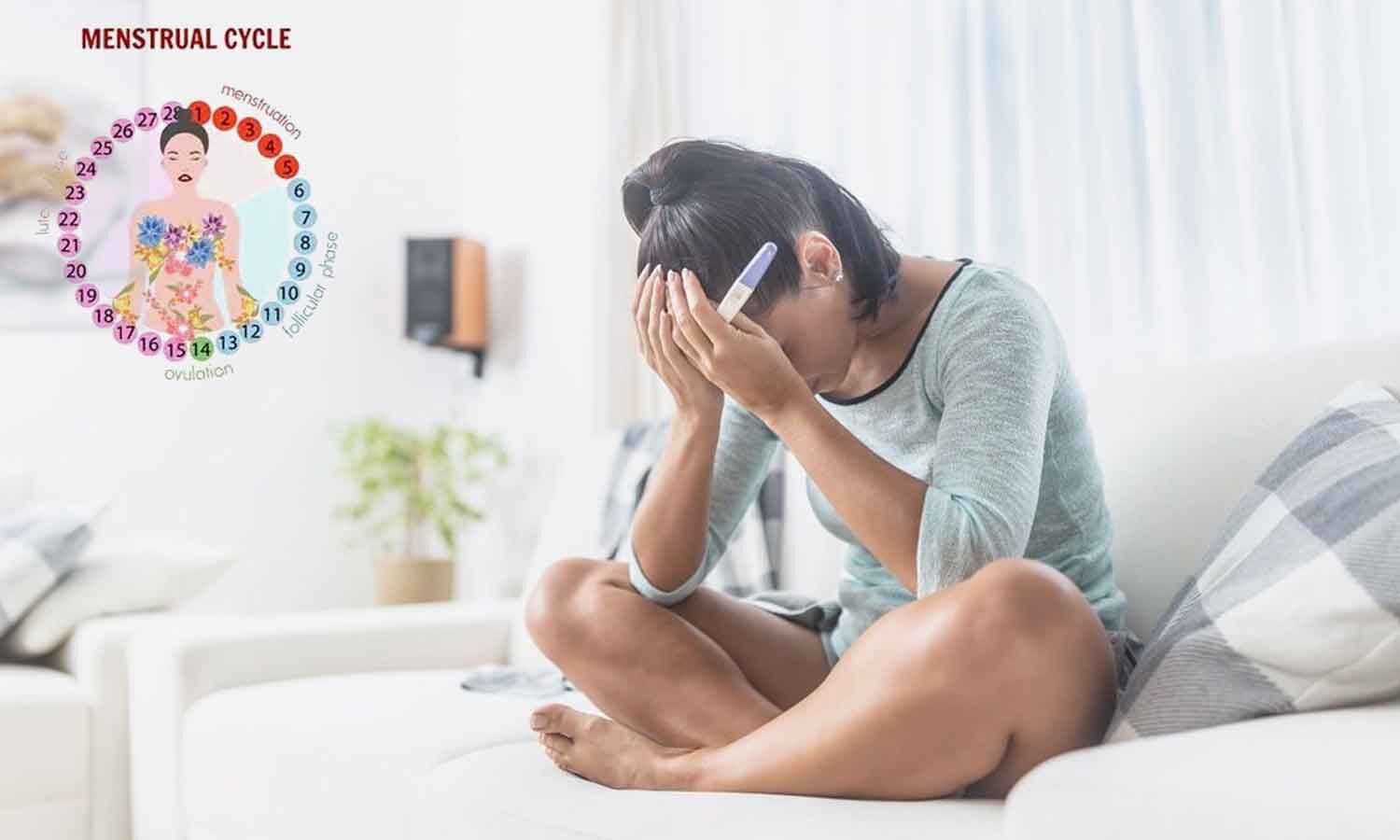
Fertility means the body’s ability to help create a baby.
It is affected by age, but age is not the only factor.
Everyday habits can also influence hormones, egg quality, sperm health and the body’s reproductive environment.
Eating nutritious food can provide nutrients that support reproductive health.
Poor sleep and long-term stress may interfere with hormone regulation.
Smoking, excessive alcohol use and obesity can also affect fertility.
Regular physical activity can help support a healthy weight and overall wellbeing.
These effects can build slowly over many years, so they may not be obvious right away.
Experts say it is useful to care for reproductive health before someone is ready to have a child.

Fertility can decline with age, but people of the same age may have different reproductive health.
Diet, sleep, stress, smoking, alcohol use and physical activity can affect hormonal and reproductive health.
Experts link balanced nutrition, including protein, healthy fats, iron, folate and antioxidant-rich foods, with fertility support.
Being significantly underweight or overweight may disrupt hormonal balance, ovulation and sperm quality.
Experts recommend regular movement, healthier eating, stress management and fertility discussions before conception becomes urgent.
- Who
- People concerned with future reproductive health, including women and men; the article quotes Dr Aishwarya Nupur, Dr Pragya Consul and Deeksha Katiyar.
- What
- The article explains how lifestyle habits may influence fertility and reproductive health over time.
- Where
- When
- The effects are described as developing gradually over months and years, particularly from habits formed in the twenties and thirties.
- Why
- Diet, sleep, stress, weight, smoking, alcohol use, physical activity and environmental exposures can affect hormones, egg quality, sperm health and reproductive function.
Key facts
- Main lifestyle factors
- Diet, sleep, stress, smoking, alcohol use, physical activity and body weight.
- Dietary recommendations
- Protein, healthy fats, iron, folate, whole grains and antioxidant-rich foods.
- Weight
- Being significantly underweight or overweight may affect hormonal balance; obesity may also affect sperm quality.
- Sleep and stress
- Long-term stress and inadequate sleep may interfere with reproductive hormones and hormonal regulation.
- Smoking and alcohol
- Smoking can affect reproductive health and sperm quality, while excessive alcohol consumption may affect fertility.
- Physical activity
- Regular activity can support a healthy weight and overall wellbeing.
- Expert advice
- Experts recommend addressing reproductive health before trying to conceive rather than waiting for fertility difficulties.
Quotes
Dr Aishwarya Nupur
Director and Founder of Eraya Fertility
“The body, however, has been responding to their habits long before that decision is made.”
 wionews.com
“Fertility shouldn't be an afterthought addressed only when difficulties arise.”
wionews.com
Sources
Related news
India’s Fertility Crisis Highlights Delayed Parenthood and Reproductive Awareness

Pregnancy After 40: Fertility, IVF and Risks Behind Celebrity News

Women’s Hormonal and Metabolic Health Changes Across Aging
The Age Code Argues Food May Shape How We Age

Doctor Urges Women to Approach Biohacking With Wisdom