

3 weeks ago
States asked to assess urban water gaps on future demand

The government of India wants to make sure cities have enough clean tap water for everyone, now and in the future.
It has asked the states to look carefully at their towns and cities.
Some places already have water pipes, and some need new ones.
The states need to figure out what water systems are missing and what will be needed as more people move to cities.
They also need to guess how much water people will need many years from now.
Special guidebooks explain how to plan water systems correctly.
There is also a computer tool called AMRUT 2.0 that helps them find the gaps and estimate the money needed.
A group of lawmakers in Parliament is helping keep track of this work.
They want the states to share their progress every year so everyone can learn and improve.
This will help make sure every home has water in the future.

The Union Housing and Urban Affairs Ministry has asked states to assess existing urban piped water supply gaps and prepare project proposals based on future demand projections.
The ministry's reply came in response to the Standing Committee on Housing and Urban Affairs, chaired by Magunta Sreenivasulu Reddy, whose report was presented in the Lok Sabha.
States must prepare saturation plans following technical norms in Central Public Health and Environmental Engineering Organisation (CPHEEO) manuals for estimating present and future water demand.
A utility has been developed on the AMRUT 2.0 platform to assess urban piped water supply gaps and the required infrastructure investment.
The committee requested the ministry to furnish consolidated data uploaded by states and Union Territories and called for an annual nationwide assessment of urban water infrastructure.
- Who
- The Union Housing and Urban Affairs (HUA) Ministry, states and Urban Local Bodies, and the parliamentary Standing Committee on Housing and Urban Affairs chaired by Magunta Sreenivasulu Reddy.
- What
- States were asked to assess existing gaps in urban piped water supply and prepare project proposals based on future demand projections, using the AMRUT 2.0 platform.
- Where
- India; the report was presented in the Lok Sabha in New Delhi.
- When
- The ministry's reply and the committee's report were reported on August 10, when the report was presented in the Lok Sabha.
- Why
- To align infrastructure investments with long-term urban growth and service delivery needs, in line with the vision of Viksit Bharat @2047.
Key facts
- Ministry
- Union Housing and Urban Affairs (HUA) Ministry
- Parliamentary Panel
- Standing Committee on Housing and Urban Affairs
- Committee Chair
- Magunta Sreenivasulu Reddy
- Platform
- AMRUT 2.0 (Atal Mission for Rejuvenation and Urban Transformation)
- Assessment Factors
- Population growth, urban expansion and service level benchmarks
- Technical Manuals
- CPHEEO manuals
- Long-Term Vision
- Viksit Bharat @2047
- Report Presented
- Lok Sabha, New Delhi
Quotes
Ministry official
Official from the Union Housing and Urban Affairs Ministry
“The Government of India has been promoting a multi-pronged financing framework to augment investments in urban water infrastructure through Central assistance, institutional financing, and innovative financing mechanisms.”
 theprint.in
Sources
Related news
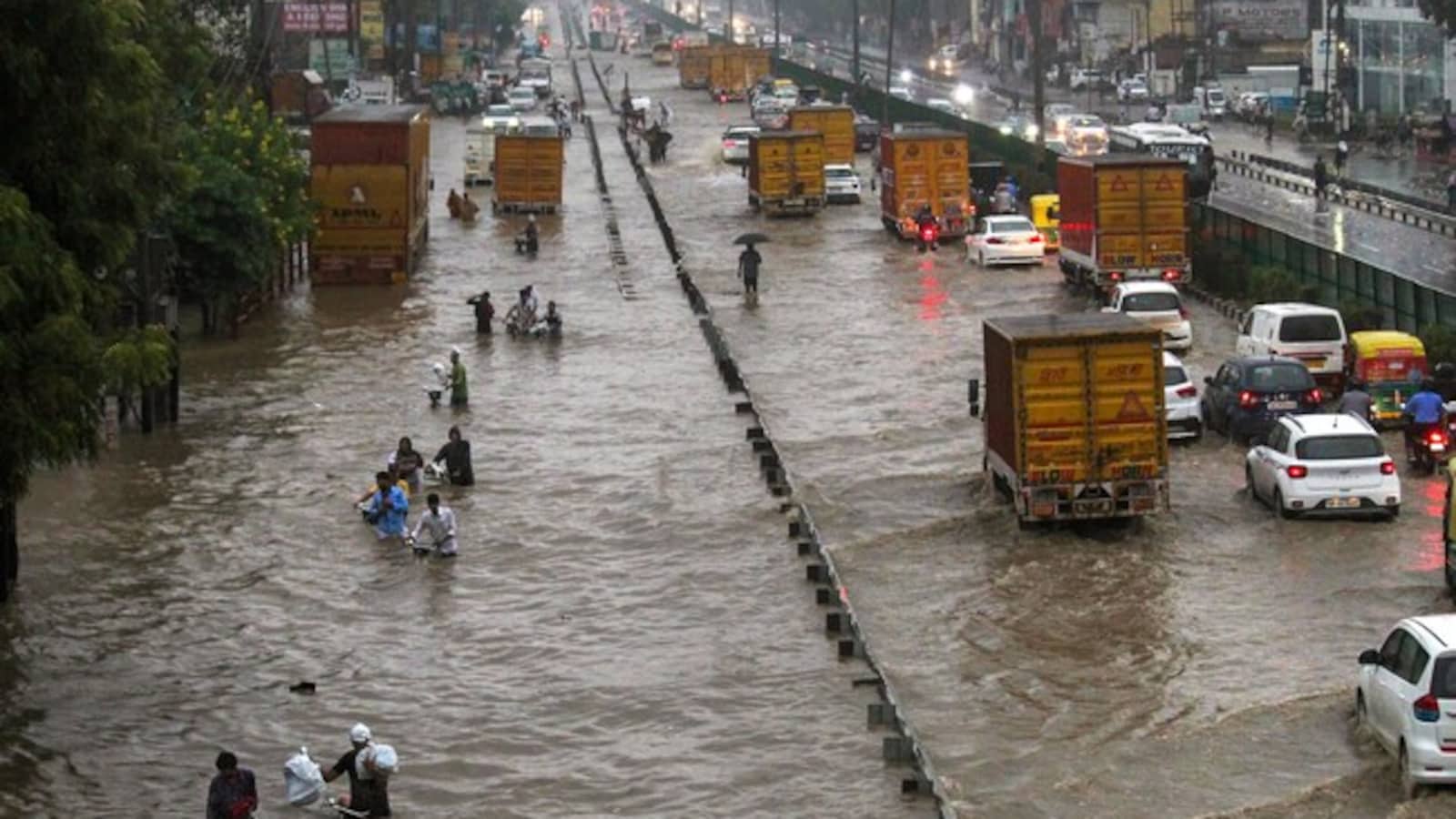
Centre Reviews Gurugram Metro and Sewerage Projects Amid Waterlogging
Andhra Pradesh Sanctions Rs 7,469 Crore Urban Infrastructure Programme
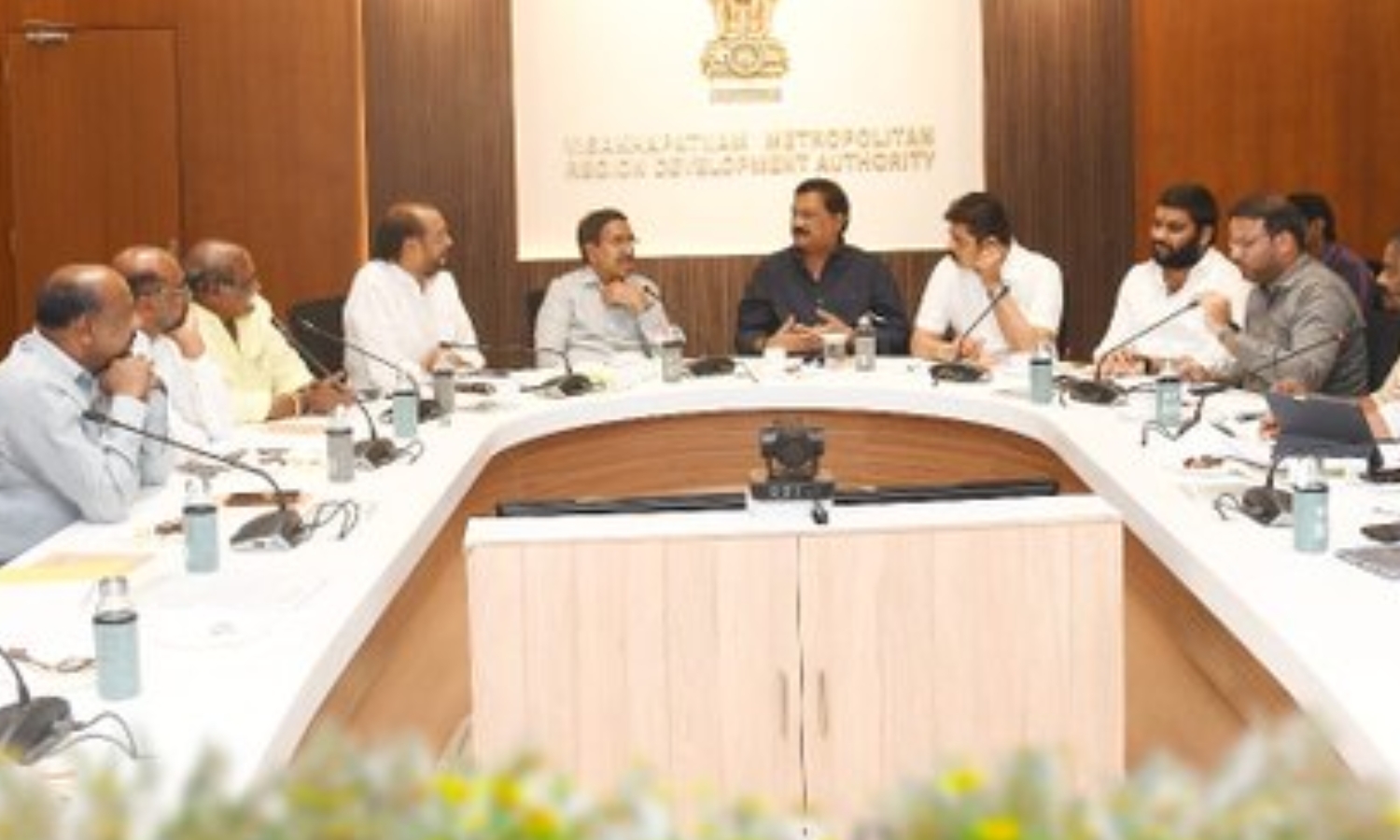
Andhra Pradesh Advances ₹4,200 Crore Drainage, ₹10,200 Crore Pipeline Projects

Delhi Plans Major Water and Sewerage Infrastructure Transformation
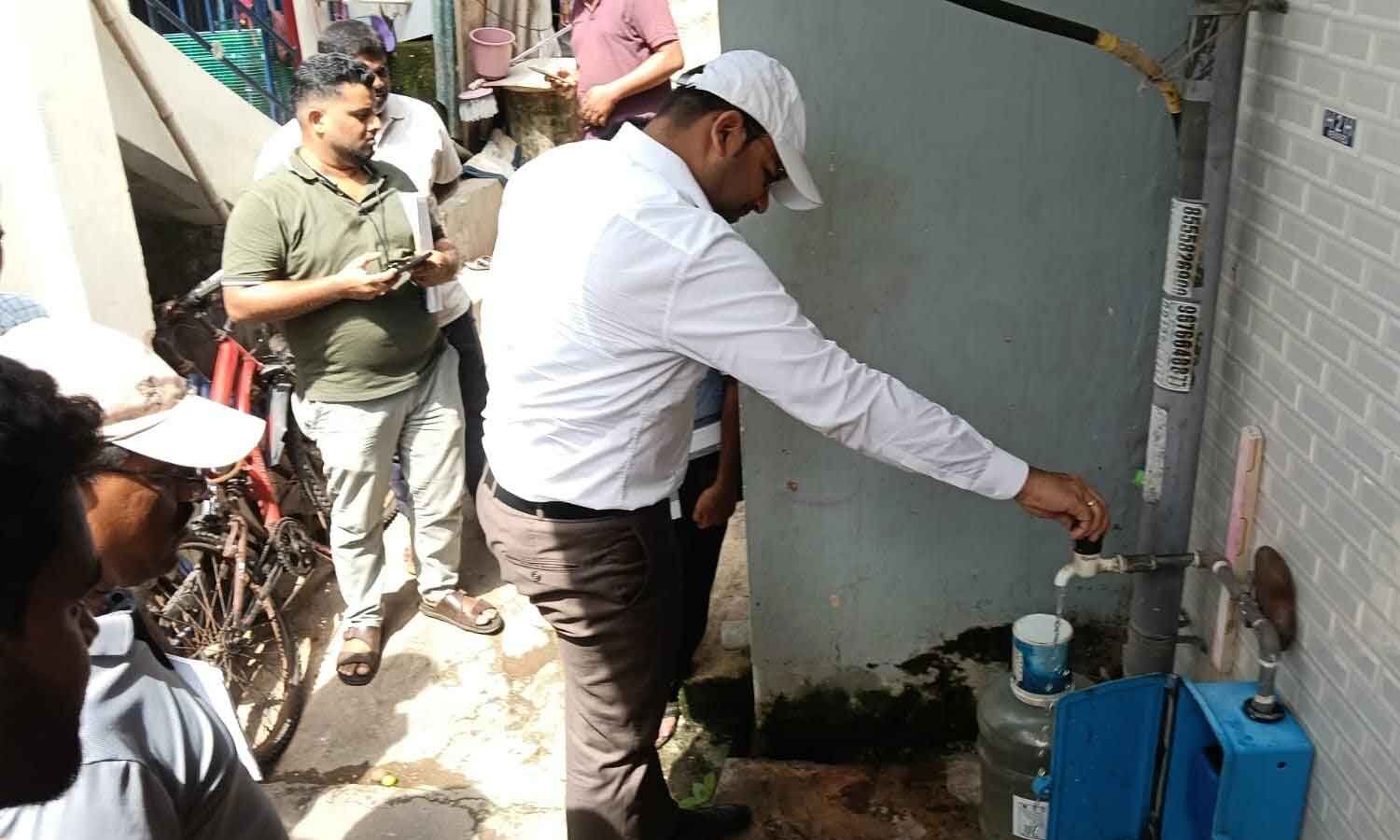
Andhra Pradesh launches major plans to address Visakhapatnam water woes

Sahakar Panel Wins Mumbai Cooperative Board Election Unopposed

Andhra Pradesh Sanctions 17,912 Urban Houses Under PMAY-U 2.0
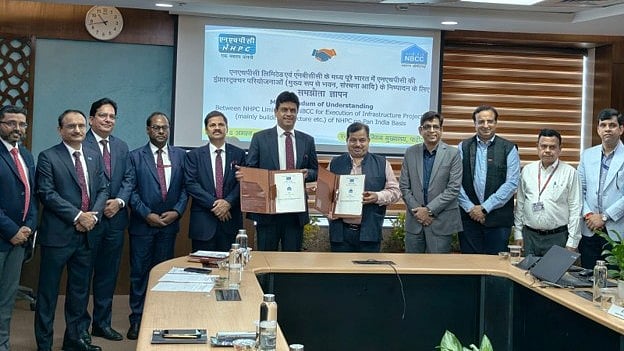
NBCC and NHPC Sign Pan-India Infrastructure Projects MoU

NBCC, NHPC Partner on Pan-India Infrastructure Projects

PARIVARTAN Scheme Gains Momentum With 1,300 Applicants, 15 Automakers
