3 weeks ago
Concrete Built the Modern World: Can We Reinvent It?
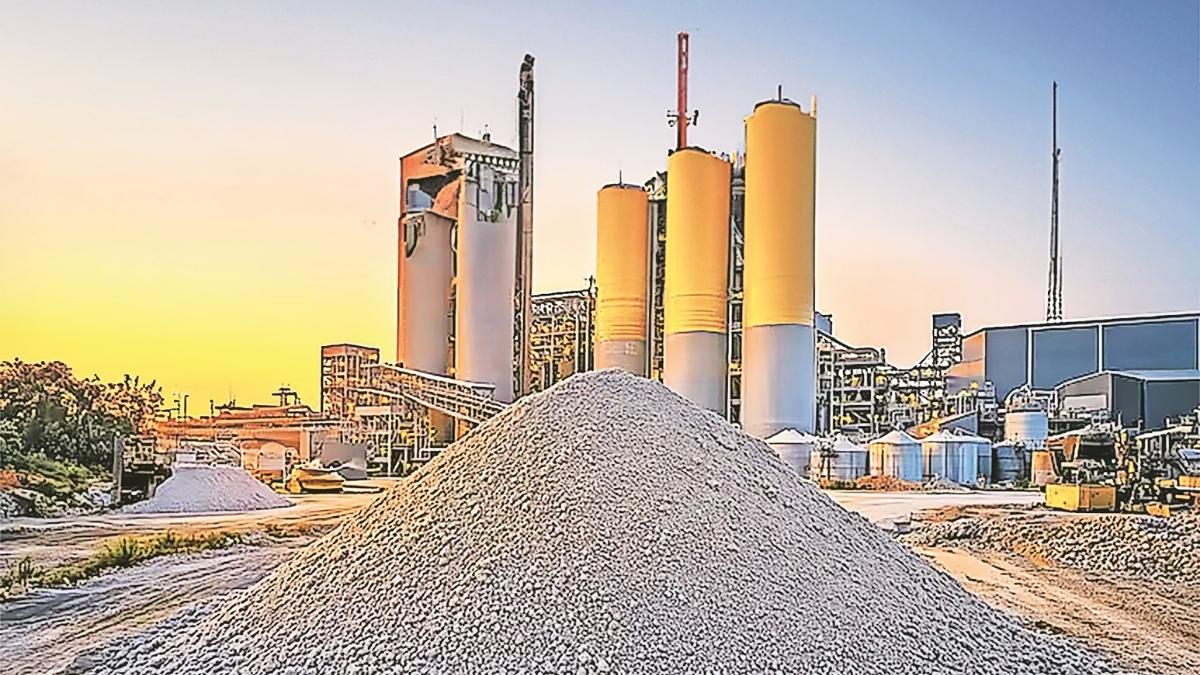
Concrete is the stuff used to build roads, bridges, and apartment buildings.
We make about 30 billion tonnes of it every year, more than any other material in the world.
Making concrete also creates a lot of greenhouse gases, which trap heat and warm up the planet.
In fact, if concrete were a country, it would be one of the biggest polluters on Earth.
Most of the pollution comes from cement, the glue that holds concrete together.
To make cement, limestone is baked in giant ovens at very high temperatures, and that baking releases carbon dioxide.
Scientists and builders are inventing new recipes for concrete that pollute less.
Some mix in waste materials from factories and farms, like fly ash, rice husk ash, and slag, instead of so much cement.
These new recipes can cut pollution by up to 40 percent while keeping the concrete just as strong.

Concrete production accounts for an estimated 5-8% of global greenhouse gas emissions.
Most emissions come from cement, whose clinker is made by heating limestone to up to 1,450°C.
Producing a tonne of cement releases roughly 580-900 kg of carbon dioxide.
Low-carbon approaches, including supplementary materials like fly ash and slag, can cut emissions by 15-40%.
India's Noida International Airport at Jewar uses LC3 cement, which can reduce emissions by up to 40%.
- Who
- Scientists, engineers, and manufacturers are redesigning concrete to lower its climate footprint.
- What
- The world's most widely used construction material, concrete, is being re-engineered to cut its carbon emissions.
- Where
- Globally, with particular focus on India, including the Noida International Airport at Jewar, Uttar Pradesh.
- When
- Global concrete production roughly quadrupled between 1990 and 2020; the shift to low-carbon concrete is ongoing.
- Why
- Concrete is responsible for an estimated 5-8% of global greenhouse gas emissions, driven largely by cement production.
Key facts
- Annual global concrete production
- ~30 billion tonnes
- Share of global greenhouse gas emissions
- 5-8%
- Production growth (1990-2020)
- Roughly quadrupled
- CO2 released per tonne of cement
- 580-900 kg
- Cement CO2 emissions (2020)
- Over 3,000 million tonnes
- Clinker kiln temperature
- Up to 1,450°C
- Potential emissions cut with low-carbon mixes
- 15-40%
- LC3 emissions reduction at Noida airport
- Up to 40%
Sources
Related news
Indian Companies’ Carbon Emissions Rise Amid Persistent Environmental Reporting Gaps
altM Turns Crop Residue Into A New Materials Industry

India Achieves 300 GW Renewable Energy Capacity Milestone

India’s Sustainable Packaging Startups Shift Toward Commercial Scale
India Turns To Technology And EPR Amid Plastic Waste Crisis

Gold Loans Quadruple as India’s Untapped Gold Wealth Fuels Growth

Mirzapur: The Movie Sells Over One Lakh Advance Tickets

Uttar Pradesh Floods Spread Across 22 Districts; Three Die

BJP MLA Anil Sharma Dies After Prolonged Illness, Yogi Mourns

UP Minister Visits Ankit Baliyan Family, Promises Strict Action