1 day ago
Mumbai CNG Rise Coincides With Higher Auto, Taxi Fares
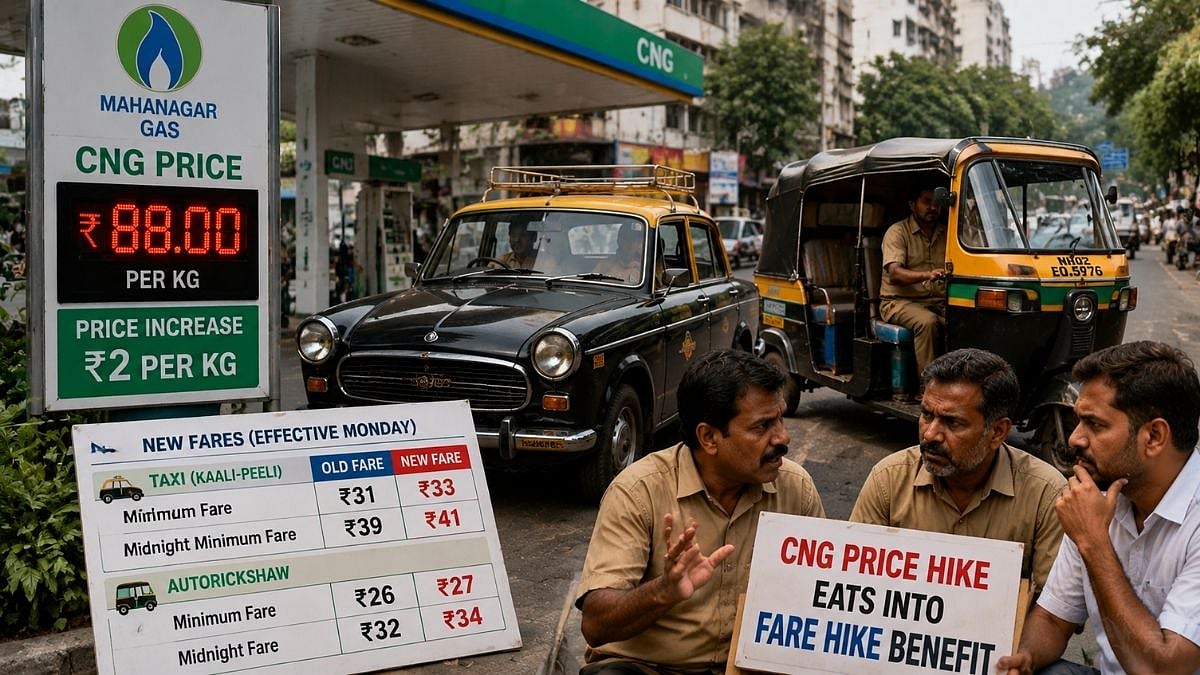
CNG became ₹2 more expensive per kilogram in Mumbai on September 1.
Its new price is ₹88 per kilogram.
Piped gas for homes also became ₹1 more expensive per standard cubic metre.
Auto-rickshaw and taxi fares went up at the same time.
The minimum auto fare is now ₹27, and the minimum taxi fare is ₹33.
Drivers say the higher fuel price uses up much of the extra money from the fare increase.
Mahanagar Gas Limited said imported gas and other input costs had become more expensive.
Drivers must update their meters by the end of November.

Mahanagar Gas Limited raised CNG prices by ₹2 per kilogram to ₹88 in and around Mumbai from September 1.
Domestic piped natural gas prices increased by ₹1 per standard cubic metre, citing higher procurement costs and imported spot RLNG prices.
Minimum auto-rickshaw and black-and-yellow taxi fares rose to ₹27 and ₹33 respectively across the Mumbai Metropolitan Region.
Per-kilometre fares increased to ₹18.22 for autos and ₹21.90 for taxis, with drivers given until the end of November to recalibrate meters.
Drivers and unions said the CNG increase and rising maintenance costs have reduced the benefit of the fare revision, which some considered inadequate.
- Who
- Mahanagar Gas Limited, auto-rickshaw and taxi drivers and unions, the Mumbai Metropolitan Region Transport Authority, and commuters.
- What
- CNG and domestic PNG prices increased, while auto-rickshaw and taxi fares were revised upward.
- Where
- Mumbai and the surrounding Mumbai Metropolitan Region.
- When
- The changes took effect on September 1, 2026, with gas prices applying from midnight on August 31; drivers have until the end of November to recalibrate meters. One article describes September 1 as Monday, while another describes it as Tuesday.
- Why
- Mahanagar Gas Limited cited higher input costs linked to international indices, increased CNG demand, and more expensive imported spot regasified liquefied natural gas; drivers said the fare increase was needed because operating costs were rising.
Drivers and Unions
Gas Company and Transport Authorities
Effect of the fare increase
Drivers and Unions
Drivers and unions said the simultaneous CNG increase, maintenance expenses, and repair costs have eroded most of the fare revision’s benefit.
Gas Company and Transport Authorities
The revised fares were approved by the Mumbai Metropolitan Region Transport Authority, while Mahanagar Gas Limited said its price increase was intended to partially offset higher procurement costs and maintain supply.
Adequacy of revised fares
Drivers and Unions
Auto and taxi representatives described the increase as inadequate; a taxi union representative said drivers had sought at least a ₹3 increase, while an auto union representative said the revision was delayed and insufficient.
Gas Company and Transport Authorities
The new fare structure was implemented from September 1, raising both minimum and per-kilometre rates for autos and taxis.
Reason for higher CNG prices
Drivers and Unions
Drivers said the higher CNG price has increased daily expenses and left little improvement in actual earnings.
Gas Company and Transport Authorities
Mahanagar Gas Limited attributed the increase to higher international-index-linked input costs, rising demand, and more expensive imported spot regasified liquefied natural gas.
Key facts
- CNG price
- ₹88 per kilogram after a ₹2 increase
- Domestic PNG increase
- ₹1 per standard cubic metre
- Minimum auto fare
- ₹27, up from ₹26
- Minimum taxi fare
- ₹33, up from ₹31
- Auto per-kilometre fare
- ₹18.22, up from ₹17.40
- Taxi per-kilometre fare
- ₹21.90, up from ₹20.66
- Meter deadline
- Drivers have three months, until the end of November, to recalibrate meters
Quotes
Umesh Rajbhar
Mumbai autorickshaw driver
“Fare revision may look like a relief, but the CNG price hike has taken away most of the benefit. Our daily fuel expenses have increased significantly. After paying for CNG, vehicle maintenance and other expenses, there is hardly any improvement in our earnings.”
 freepressjournal.in
“But the simultaneous increase in CNG prices has disappointed us. Running an auto has become expensive. The revised fare will not make much difference unless fuel prices are also controlled.”
freepressjournal.in
Sources
Related news

Mumbai Metropolitan Region Raises Auto-Rickshaw and Taxi Fares

Mumbai Taxi and Auto Fares Rise From September 1

Mumbai Auto-Taxi Fares Rise, Minimum Rates Begin September 1
Pune Commuters Face Auto Fare and CNG Price Hikes
Mumbai Auto-Taxi Fare Hike Draws Commuter, Union Concerns
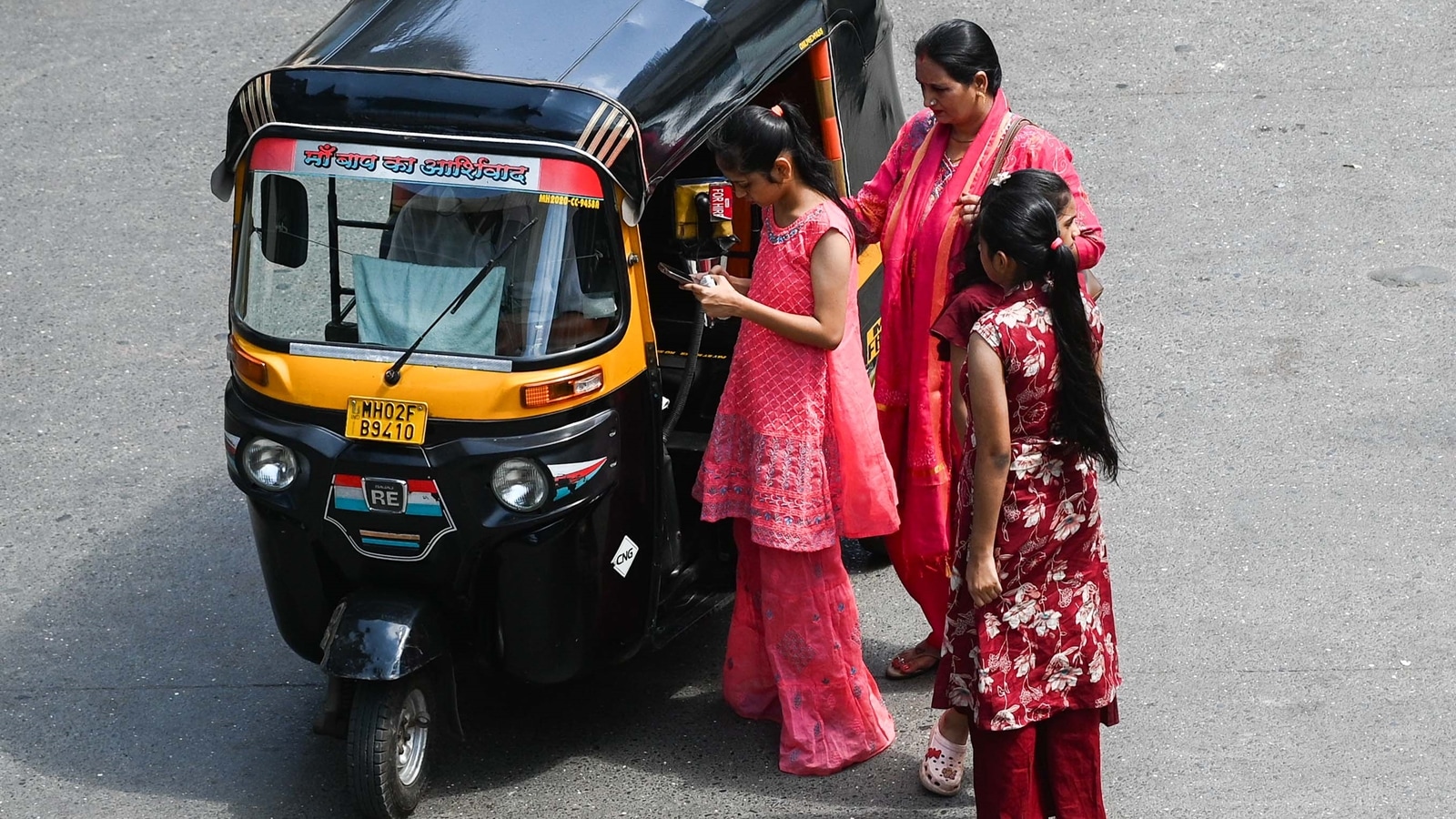
Mumbai Auto and Taxi Fares Rise Amid Fuel Costs
Tukaram Mundhe Warns Indians About Food Safety Risks
India to Host Inaugural Women's Champions Trophy in 2027
Aviation Ministry Plans Automated Airport Building Clearance System
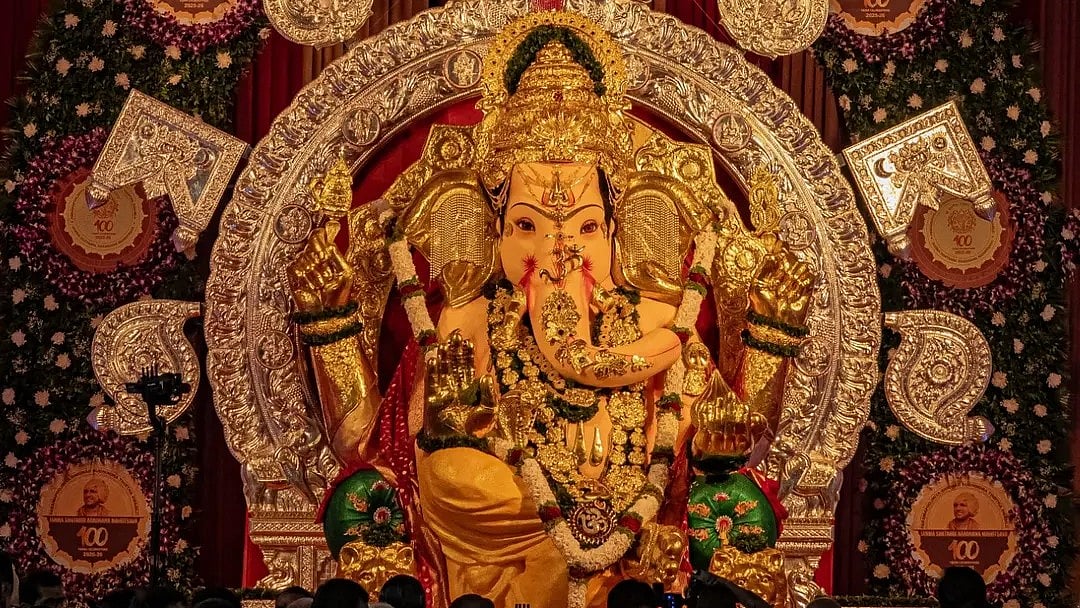
Mumbai GSB Seva Mandal Announces Rs 703.27 Crore Ganeshotsav Cover

Inside Orry’s Mumbai Home With Six-Kilo Jacket and Luxury Bag