2 hrs ago
UBTECH Opens Factory Producing Humanoid Robots Every Ten Minutes
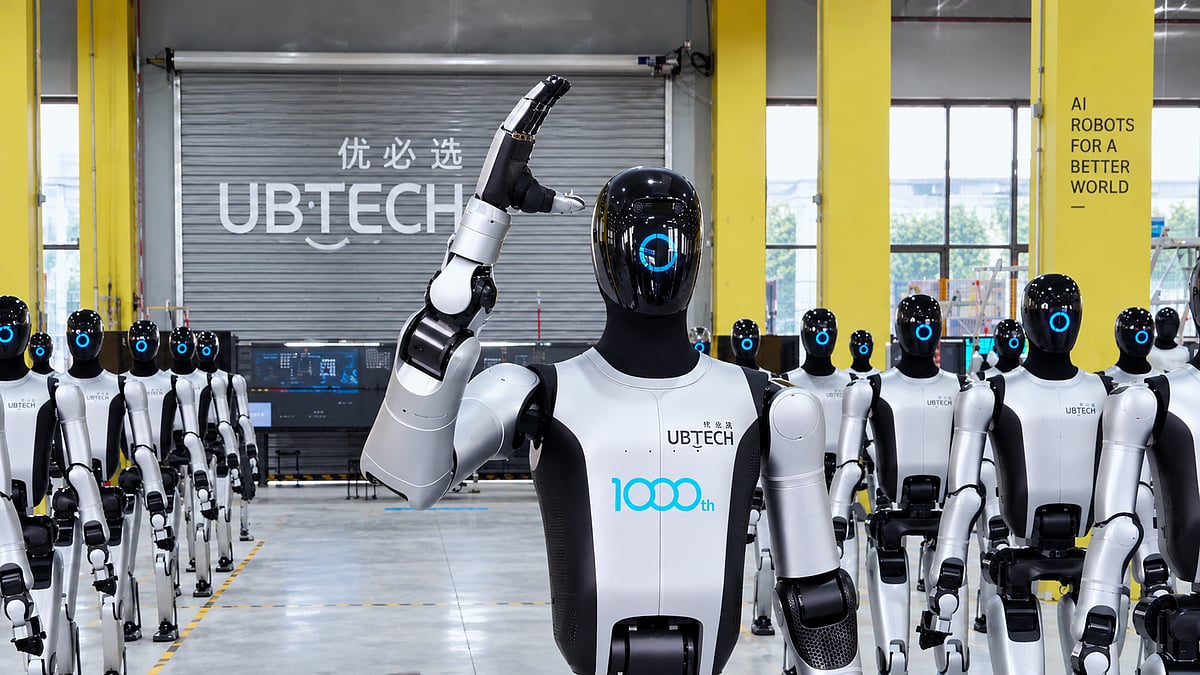
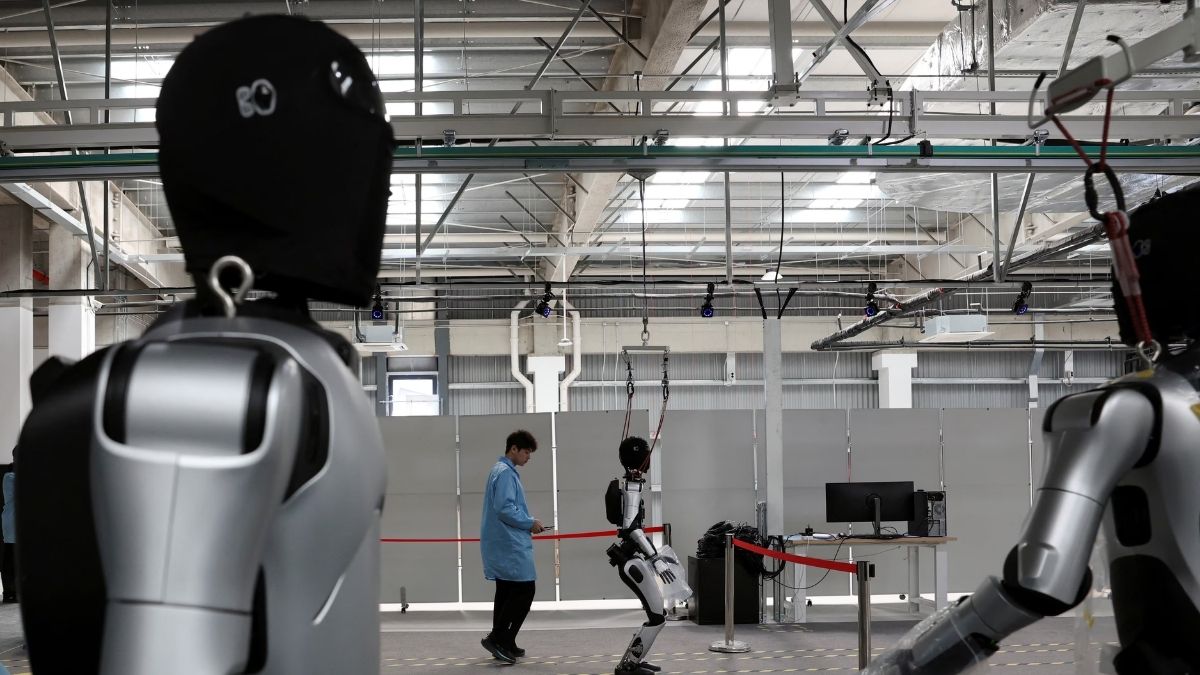
UBTECH Robotics has started making humanoid robots in a large factory in China.
The factory is in Liuzhou and was built with Siemens.
It is designed to make one robot every 10 minutes.
It could produce up to 10,000 robots each year.
Some Cruzr robots move and stack parts used to build other robots.
Robotic arms and driverless vehicles also help with assembly and transportation.
A digital system called the smart brain organizes orders, materials, and quality checks.
Every finished robot is tested for more than four hours and inspected from every direction.
The factory opened while China’s industrial robot production was growing quickly.

UBTECH Robotics began production at a 14,000-square-meter humanoid robot factory in Liuzhou, China, on September 12.
The plant is designed to produce 10,000 industrial humanoid robots annually, or one every 10 minutes.
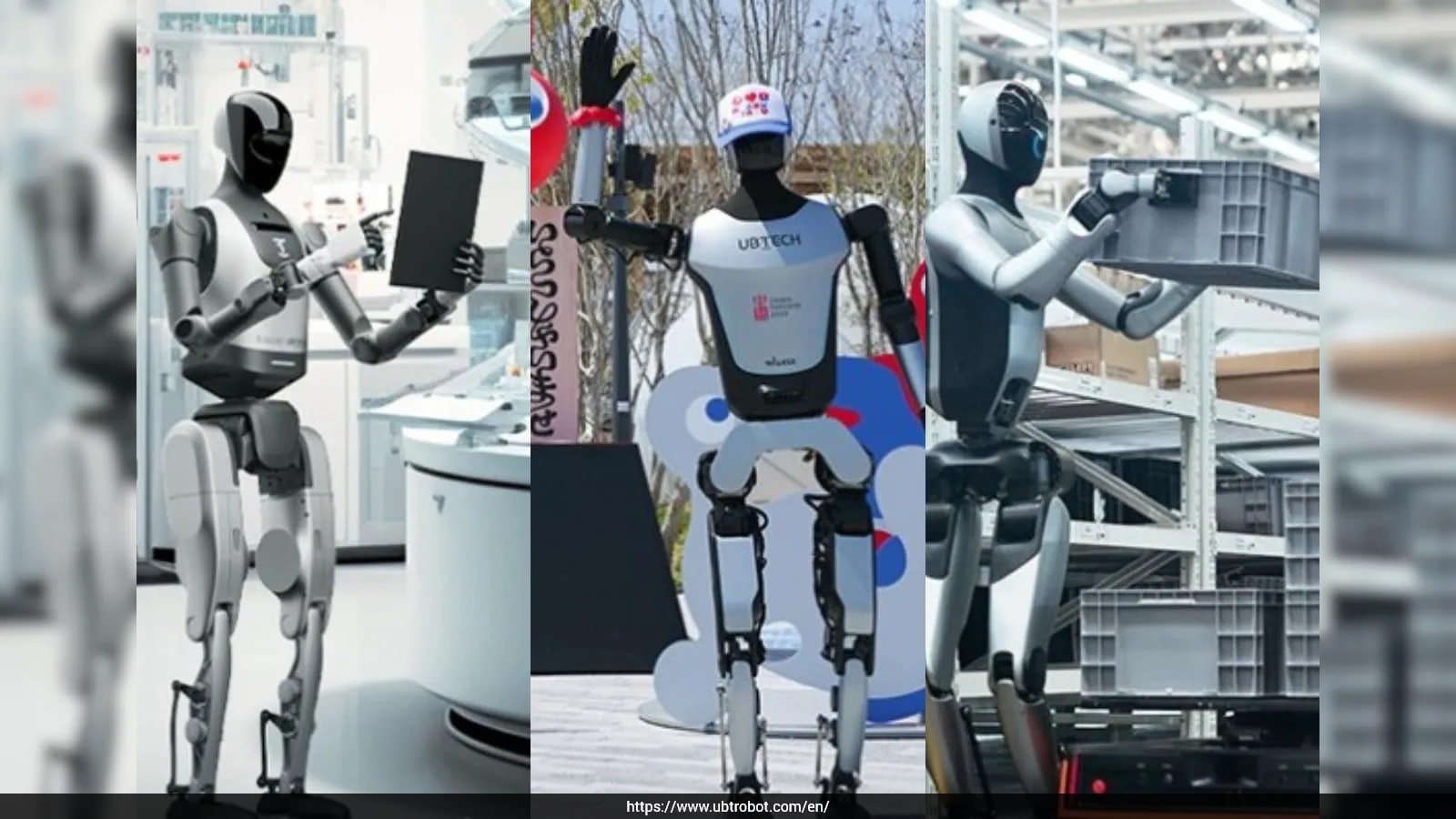
The facility mainly manufactures UBTECH’s Walker S industrial series and Cruzr service and interactive series.
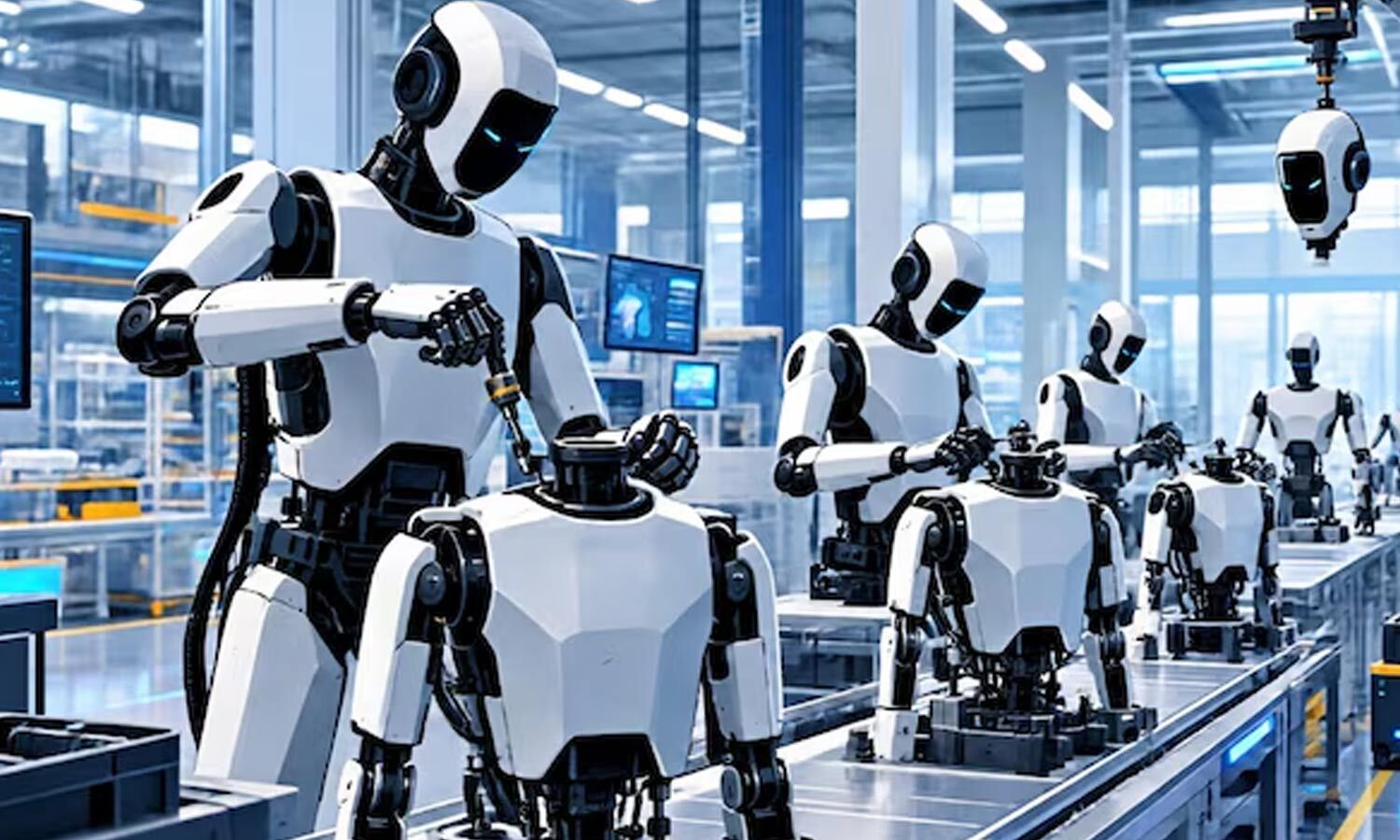
Cruzr robots, robotic arms, autonomous vehicles, and other equipment perform material handling and assembly tasks.
Each robot receives more than four hours of testing, a 360-degree inspection, and digitally tracked production through a unique serial number.
- Who
- UBTECH Robotics, together with Siemens Digital Industries Software, built the factory and began production there.
- What
- An intelligent manufacturing facility for industrial humanoid robots began operations, using robots and automated systems in its production process.
- Where
- Liuzhou, in China’s Guangxi Zhuang Autonomous Region.
- When
- Production began on September 12; the articles do not specify the year for the opening. China’s reported output figures cover July and January through July 2026.
- Why
- To support large-scale production of humanoid robots and move beyond laboratory prototypes toward factory manufacturing.
UBTECH’s Manufacturing Claims
Supply-Chain Perspective
What the factory represents
UBTECH’s Manufacturing Claims
UBTECH presents the facility as an intelligent, highly automated plant that realizes a “robots building robots” manufacturing model and enables large-scale production.
Supply-Chain Perspective
UBTECH Vice President Pang Jianxin said mass production depends on China’s supply chain, engineering base, manufacturing capability, research strength, and the availability of industrial application scenarios.
Role of automation
UBTECH’s Manufacturing Claims
UBTECH says its smart brain, digital-twin systems, unique serial numbers, and automated equipment manage scheduling, materials, quality monitoring, and traceability.
Supply-Chain Perspective
The articles do not independently verify the company’s claims about the system’s capabilities; they report them as statements from UBTECH.
Key facts
- Factory size
- 14,000 square meters and 13.8 meters high
- Annual capacity
- 10,000 industrial humanoid robots
- Production rate
- One completed robot every 10 minutes
- Main product lines
- UBTECH Walker S and Cruzr series
- Factory automation
- Cruzr robots, collaborative robotic arms, unmanned logistics vehicles, power-assist manipulators, and rotating worktables
- Quality control
- More than four hours of whole-machine testing followed by a 360-degree visual inspection
- Automated warehouse
- Capacity for 112 humanoid robots in 65 square meters
- China industrial robot output
- 98,677 units in July, up 30.2% year over year; 635,056 units in the first seven months of 2026, up 28.5%
Quotes
Pang Jianxin
Vice president of UBTECH Robotics
“Chinese robots have already entered the global first tier. This foundation rests on the large number of engineers, scientists, and application scenarios accumulated in China over the past 10 to 20 years, which have formed a very strong supply-chain base, manufacturing capability, as well as research and development strength. In industrial applications, China is also at the forefront because it possesses the richest scenarios.”
 NDTV
NDTV
“Without the Chinese supply chain, mass-producing complex components would be extremely difficult unless cost advantages were completely sacrificed.”
NDTV
Sources
Related news
China’s Humanoid Robot Boom Races Ahead of Real-World Readiness
China Pushes Humanoid Robots From Spectacle Toward Industrial Workforce
China’s Humanoid Robot Makers Pursue Practical Commercial Uses

China’s Humanoid Robot Industry Chases a ChatGPT Moment

China Robot Makers Push Humanoids Toward Everyday Use

Chinese Humanoid Robots Break Human Records at Beijing Games

China Youth Unemployment Rises as Record Graduates Enter Market

China's visa-free push pays off as tourist arrivals jump 20%

Nigerians' Cost of Living Pain Deepens as Election Looms

China Factory Activity Likely Stalls in July Amid Weak Demand