11 hrs ago
Mumbai Water Metro Faces Technical Challenges Across Diverse Waterways
Mumbai wants to build a large public transport system that uses boats.
The proposed network would cover 340 kilometres across the Mumbai region.
It would include many routes, terminals and electric or hybrid boats.
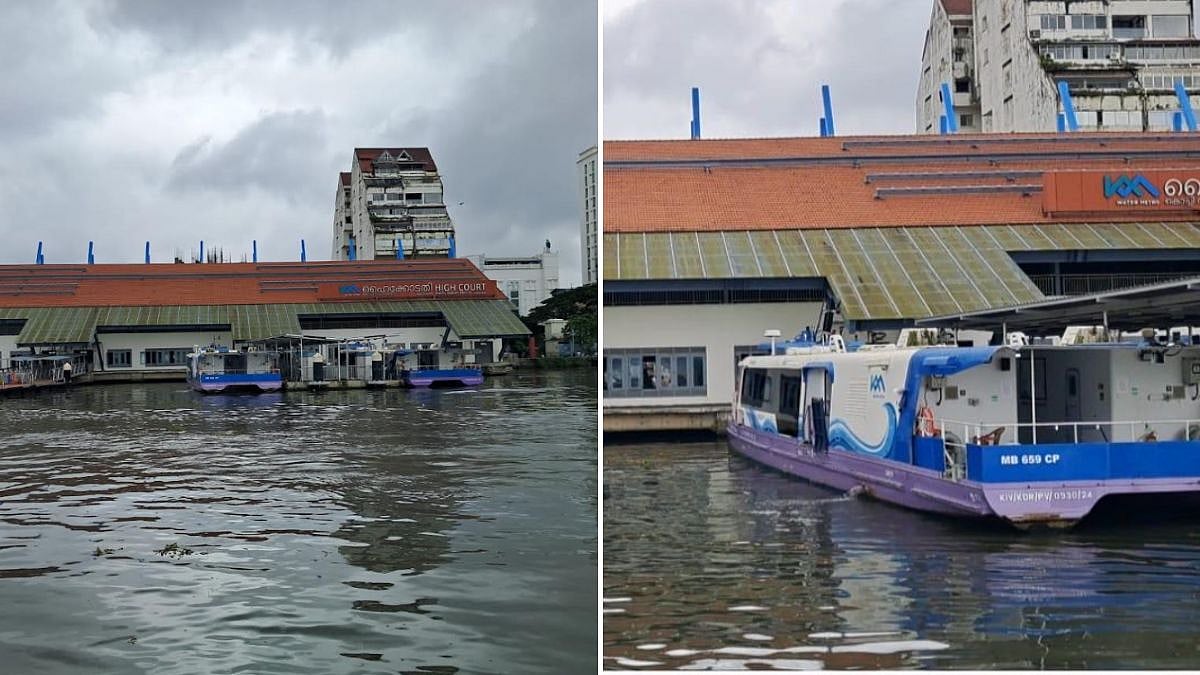
Mumbai’s waters are more varied than Kochi’s, with creeks, rivers, harbour areas and possibly the open sea.
This means engineers must carefully study tides, water depth, mud, rocks, bridges and monsoon weather.
The boats will also need charging stations and maintenance facilities.
Terminals, ticketing, communication systems and safety controls must work together.
The service will need good prices, frequent trips and links to trains, buses and the Metro to become useful for daily commuters.

Maharashtra has proposed a Rs 6,066-crore, 340-km Mumbai Water Metro network.
The plan includes 33 routes, 44 terminals and about 203 electric or hybrid vessels.
Unlike Kochi’s sheltered backwaters, Mumbai’s routes may cross tidal creeks, harbour waters, rivers and open sea.
Engineers must assess depth, tides, siltation, underwater rocks, bridge clearances, monsoons and environmental restrictions.
The system’s success will depend on infrastructure, fares, frequency, travel times and connections to other transport.
- Who
- The Maharashtra government and planning agencies, with technical input from Kochi Metro Rail Limited and Kochi Water Metro experts.
- What
- A proposed 340-km Water Metro network with 33 routes, 44 terminals and around 203 electric or hybrid vessels.
- Where
- Across Mumbai, Navi Mumbai, Thane, Kalyan, Vasai and Mira-Bhayandar, including tidal creeks, harbour waters, rivers and potentially open-sea stretches.
- When
- The articles do not provide a construction or launch date.
- Why
- To develop water-based mass transit, although its viability will depend on technical conditions, operating performance and connections with existing public transport.
Key facts
- Proposed cost
- Rs 6,066 crore
- Planned network
- 340 kilometres
- Routes and terminals
- 33 routes and 44 terminals
- Planned fleet
- Around 203 electric or hybrid vessels
- Geographic coverage
- Mumbai, Navi Mumbai, Thane, Kalyan, Vasai and Mira-Bhayandar
- Key technical concerns
- Water depth, tidal variation, siltation, underwater rocks, bridge clearances, monsoons and environmental restrictions
- Required integration
- Charging, maintenance, ticketing, passenger information, communications and links with suburban rail, Metro and buses
Sources
Related news
Maharashtra Clears BMC’s 8-Kilometre Underground Water Tunnel Project
Maharashtra Reviews ₹4 Crore Ferry Plan for Sindhudurg Connectivity
Mumbai’s ₹13,000-Crore Sponge City Plan Faces Ecological Contradictions
Maharashtra Approves ₹17,725-Crore Metro Line 13 Project
BMC Launches Fresh Study of Mumbai’s Coastal Flooding Risk
Mumbai Sees Light Rain as Lakes Near Full Capacity
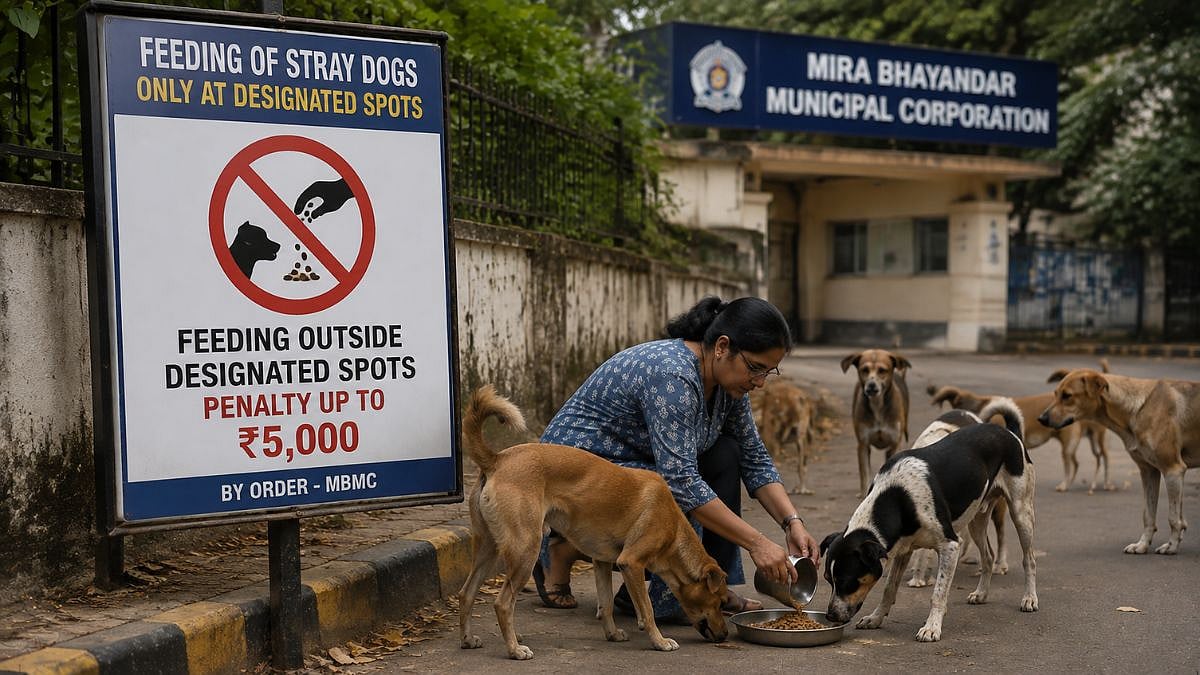
MBMC’s ₹5,000 Stray-Dog Feeding Fine Faces Legal Review
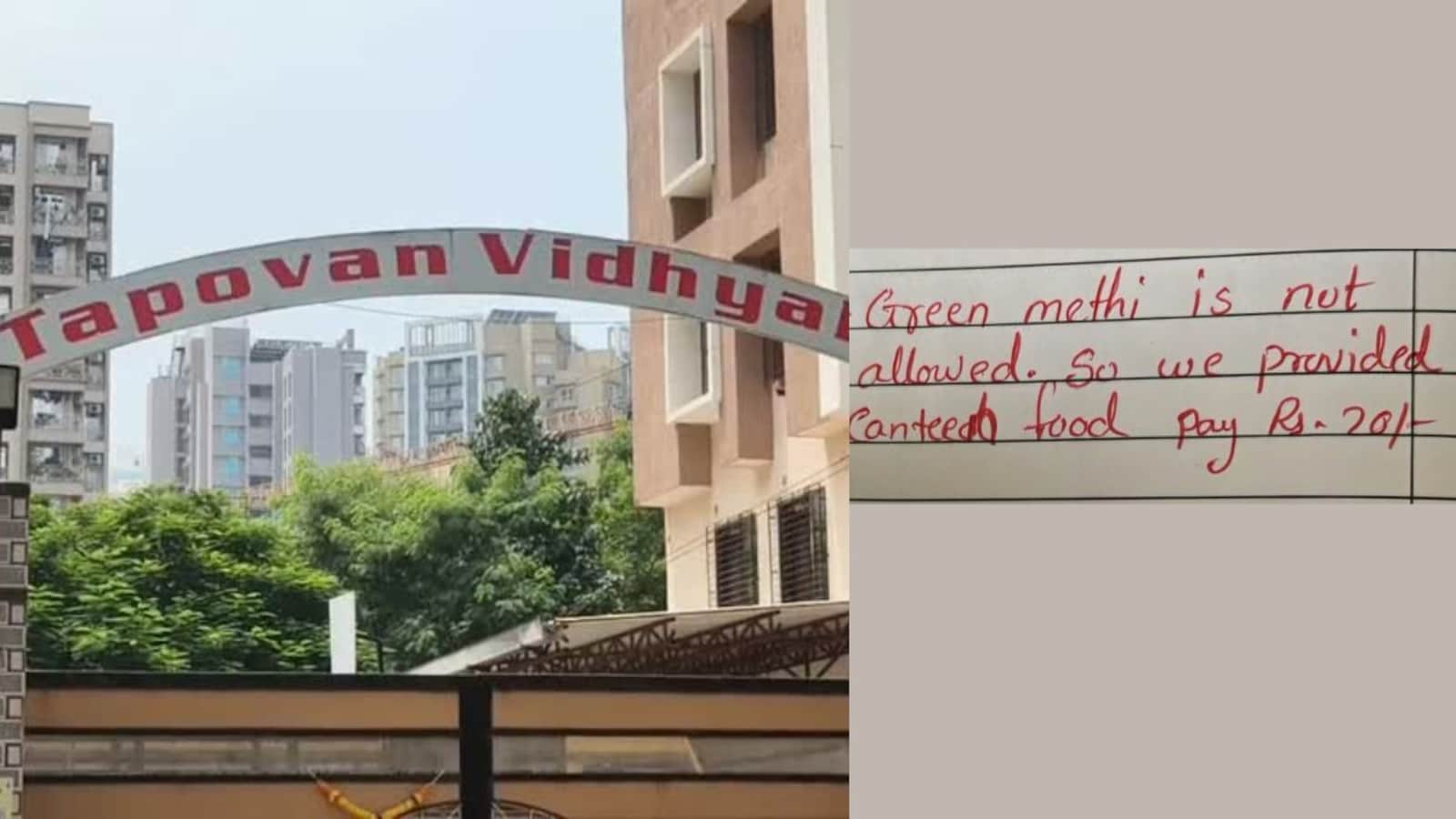
Bhayandar School Faces Notice Over Methi Tiffin Charge
Bhayandar Land Dispute Continues After Developer Relinquishes Property Claim

Thane School Accused of Fining Students Over Methi Tiffins