1 hr ago
Congress MPs Backed UPI MDR Push Before Party Opposition
A government panel studied whether some businesses should pay a small fee when customers use UPI.
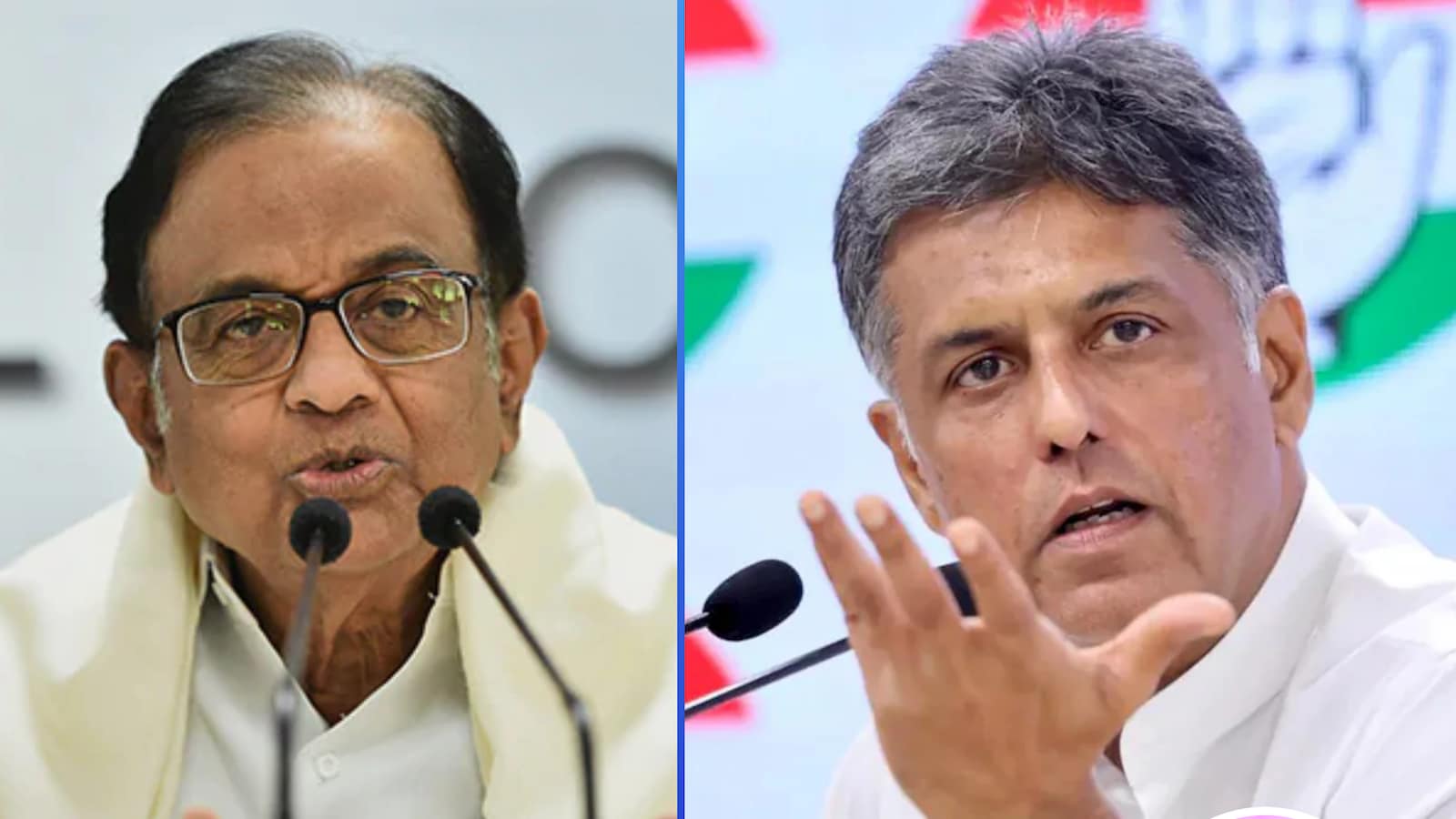
Five Congress members attended the meeting where the panel supported creating such a system, and no disagreement from them was recorded.
The government has now introduced a 0.4% fee on some business payments above Rs 2,000.
Merchants, not customers, are supposed to pay it.
The fee is limited to Rs 300 for very large transactions.
Small payments, person-to-person transfers and several listed services are excluded or treated differently.
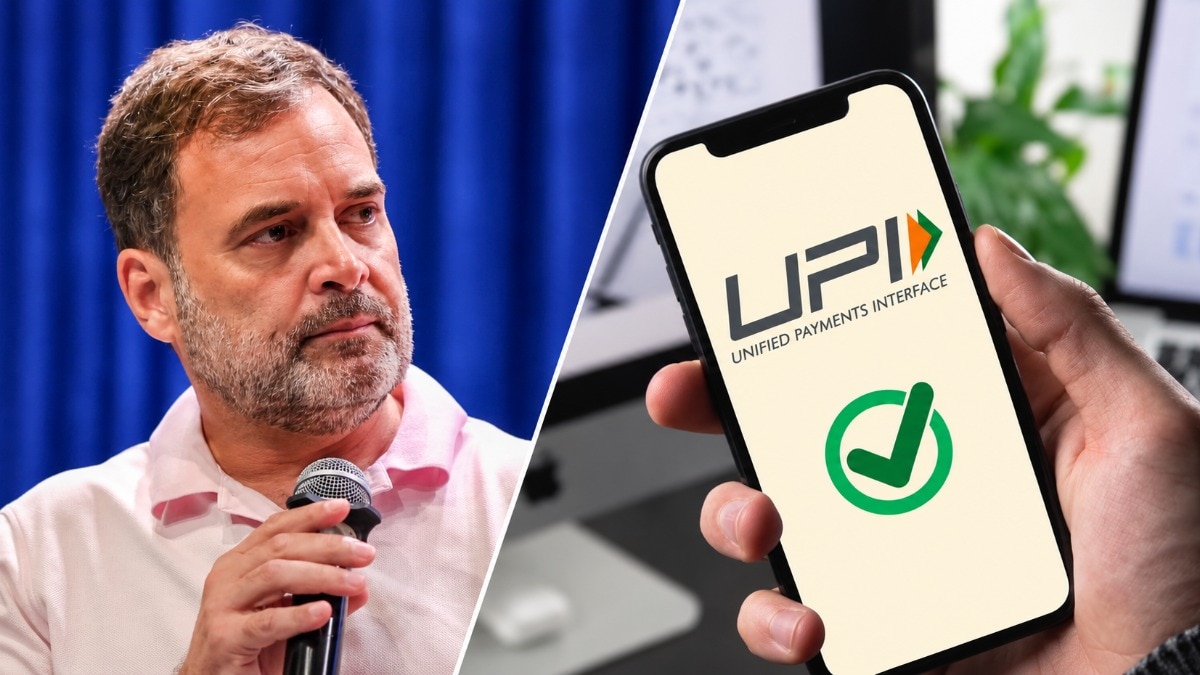
Rahul Gandhi and the Congress now oppose the fee and want it withdrawn.
The government and the payments industry say a revenue system is needed to pay for UPI’s technology, security and continued operation.

Five Congress MPs reportedly did not dissent when a parliamentary panel backed a tiered MDR framework for UPI transactions in August.
The panel said a revenue model was needed to make the UPI ecosystem financially sustainable and support cybersecurity, fraud prevention and infrastructure.
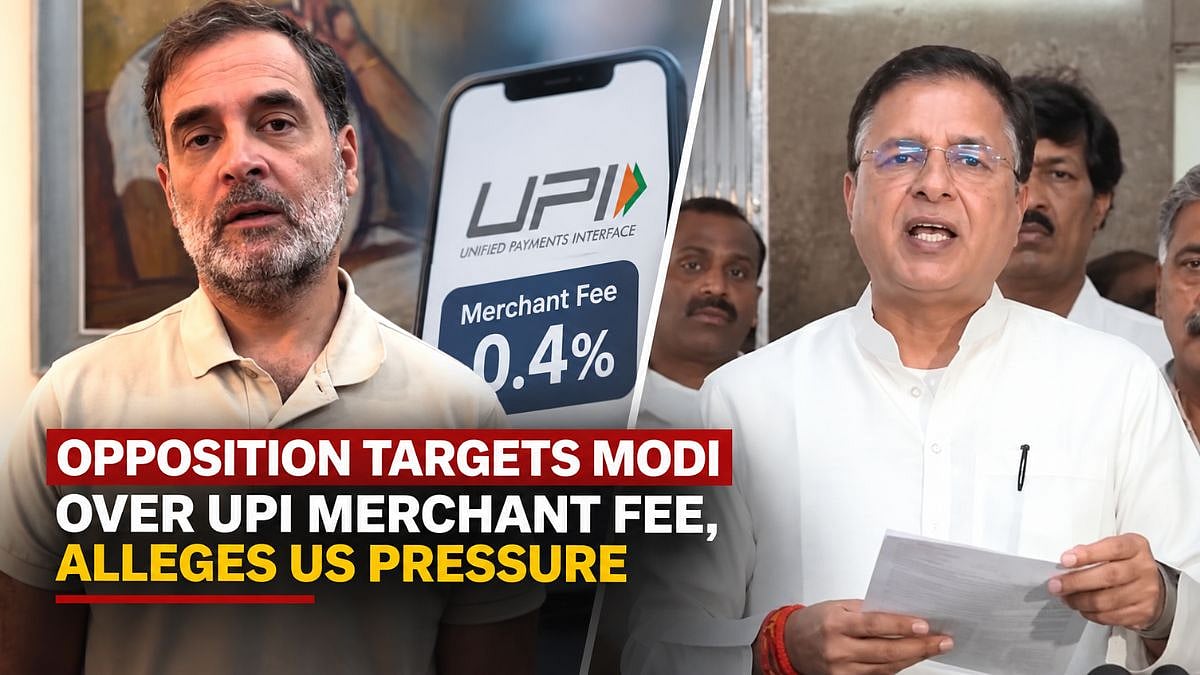
The government has notified a 0.4% MDR on person-to-merchant UPI payments above Rs 2,000 from October 15, payable by merchants and capped at Rs 300.
Rahul Gandhi opposed the measure, calling it a tax and alleging that it would benefit the United States; the finance ministry rejected the allegation.
The National Payments Corporation of India said industry costs approach Rs 20,000 crore annually, while the panel cited an estimated requirement of Rs 20,700 crore against Rs 2,000 crore budgeted.
- Who
- The government, the National Payments Corporation of India, Rahul Gandhi and Congress; five Congress MPs were members of the Parliamentary Standing Committee on Finance.
- What
- A 0.4% merchant discount rate has been notified for certain person-to-merchant UPI payments above Rs 2,000, following a parliamentary panel’s earlier support for a tiered MDR framework.
- Where
- The policy applies to qualifying UPI transactions in India; the parliamentary committee met in the context of Parliament’s consideration of the measure.
- When
- The panel adopted its report in August, it was tabled on August 12, and the notified MDR is scheduled to take effect on October 15.
- Why
- The government and NPCI say the framework is intended to make UPI financially sustainable and fund operating, security and infrastructure costs.
Congress Opposition
Government and Payment Industry
Whether the MDR should remain
Congress Opposition
Rahul Gandhi and the Congress oppose the notified fee and have called for its rollback.
Government and Payment Industry
The government has ruled out a rollback and says the framework will support a self-sustaining UPI ecosystem.
Whether the fee is a tax
Congress Opposition
Rahul Gandhi described the measure as a tax on Indians and alleged that it would divert money to the United States.
Government and Payment Industry
The finance ministry rejected the allegation and said MDR is neither a government tax nor a charge collected by the government or the National Payments Corporation of India.
Need for a revenue model
Congress Opposition
The Congress’s current opposition focuses on the impact and funding destination of the new charge.
Government and Payment Industry
The finance committee and NPCI said a tiered commercial model is needed because government support is insufficient or intended only as short-term bridge funding for operating and technology costs.
Key facts
- MDR rate
- 0.4% on qualifying person-to-merchant UPI payments above Rs 2,000.
- Effective date
- October 15.
- Who pays
- Merchants, not consumers.
- Maximum fee
- Rs 300 for transactions of Rs 75,000 or more.
- Committee recommendation
- A tiered MDR and revenue framework for UPI and RuPay transactions.
- Industry cost estimate
- NPCI cited about Rs 20,000 crore annually; the committee report cited an industry estimate of Rs 20,700 crore.
- Exclusions and special rates
- Person-to-person transfers, UPI AutoPay and recurring mandates are excluded; listed services such as railways and fuel carry a flat Rs 5 MDR, while capital-market payments carry 0.02%, capped at Rs 300.
Quotes
Finance Committee
Parliamentary committee examining UPI’s revenue and sustainability framework
“The Department of Financial Services must concurrently explore a self-reliant, tiered revenue model. The Committee would like to emphasize that establishing a viable revenue mechanism is critical to ensuring the UPI ecosystem achieves financial sustainability without perpetually straining the Government exchequer”
 businesstoday.in
“He (PM Modi) has put a tax on every single Indian person by taxing UPI and giving a huge amount of money to the United States. Modiji please stop lying down in front of the United States. Have a spine. Stand up and roll back the UPI tax.”
businesstoday.in
National Payments Corporation of India
Organisation that operates India’s UPI payments system
“Relying solely on fiscal budget allocations creates funding uncertainty and limits long-term technology investments by banks and fintech. Transitioning to a commercial, threshold-based model provides reliable capital for continuous technological innovation.”
businesstoday.in
Sources
Related news
UPI Merchant Fee Draws Opposition Attack, Government Defence

India Adds UPI Merchant Fees Above ₹2,000

Government Rejects Rethink as UPI Fee Begins October 15

Panel to Decide UPI MDR Charges Above ₹2,000 Soon

Congress Calls New UPI Merchant Fees ‘Modi Tax’

Centre Rejects Foreign Pressure Claims Over New UPI Charges

CNN-News18 and Firstpost to Host BRICS Dialogues in Delhi

Tewari Seeks Chandigarh University for Semiconductor Research and Robotics

Congress MP Warns of Robot PLA as BJP Responds

Sugar Prices Rise Amid Production Concerns and Political Clash