

2 hrs ago
Air Force Doctor Photographs India’s Rarest Vultures Before They Vanish

Ishan Pathak was a doctor in the Indian Air Force before becoming a wildlife photographer.
He travels across India to photograph vultures and the places where they live.
He has photographed all nine vulture species found in or migrating to India.
Vultures eat dead animals, which helps stop carcasses from spreading disease.
Many Indian vultures have declined sharply because a cattle painkiller called diclofenac could poison them.
Pathak has seen rare vultures in deserts, mountains, forests, and grasslands.
He photographed the bearded vulture breaking bones by dropping them onto rocks.
He also photographed endangered vultures in places such as Kaziranga, Nagarhole, and Dudhwa.
His work shows why protecting vultures is important for healthy ecosystems.

Wildlife photographer Ishan Pathak has photographed all nine vulture species found in or migrating to India.
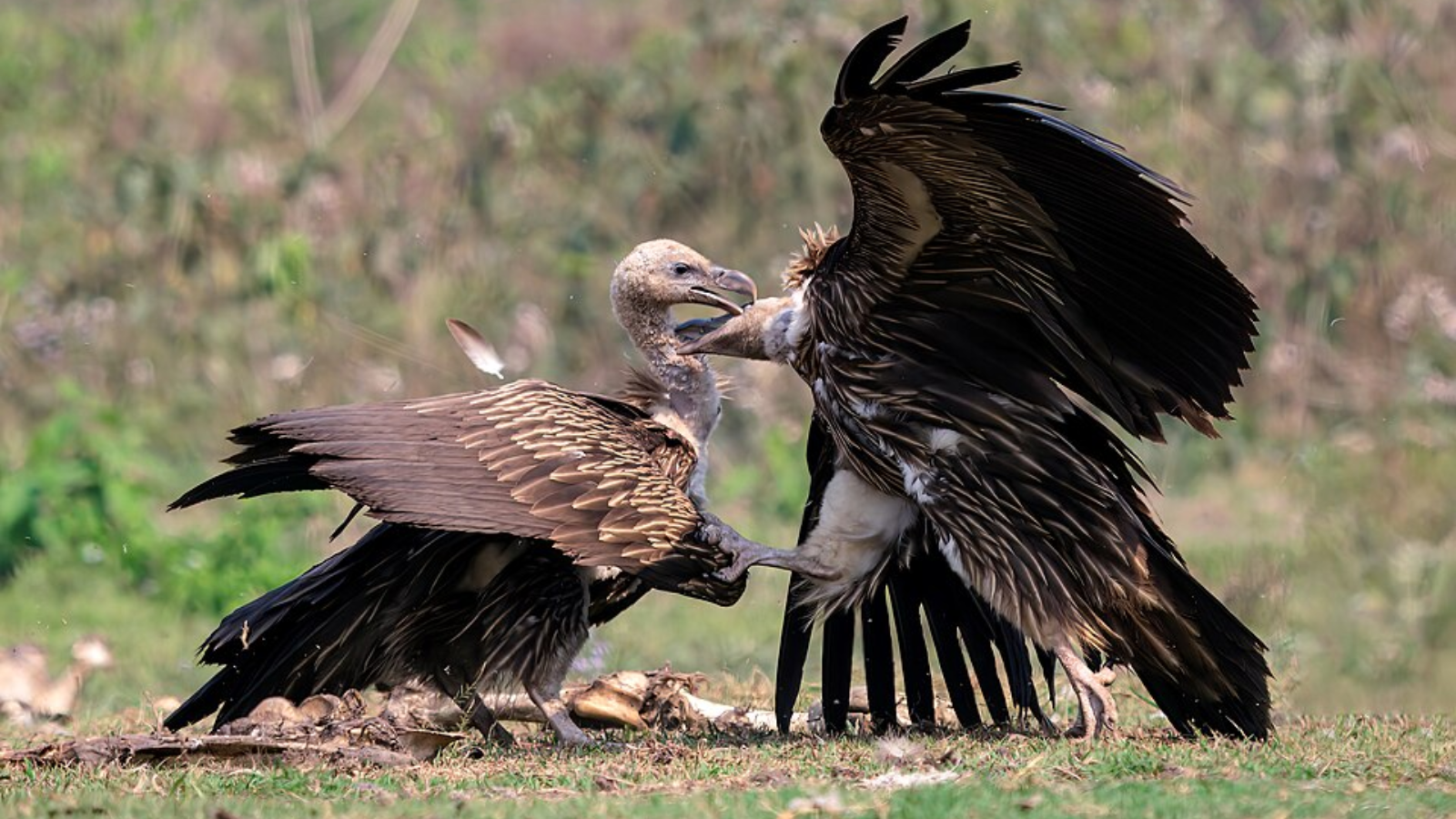
Pathak witnessed more than 100 vultures from four species gathered around a carcass in Jaisalmer, Rajasthan.
He says vultures help prevent disease by rapidly removing carcasses from landscapes.
India’s vulture populations suffered severe declines, particularly after the veterinary drug diclofenac poisoned birds feeding on treated cattle carcasses.
Pathak photographed threatened species including the slender-billed, white-rumped, red-headed, Egyptian, cinereous, Eurasian griffon, and bearded vultures.
- Who
- Ishan Pathak, a former Indian Air Force medical officer and full-time wildlife photographer.
- What
- Pathak documented all nine vulture species found in or migrating to India, including several threatened species.
- Where
- His photography took place across India, including Jaisalmer, Kibber, Kaziranga, Nagarhole, and Dudhwa.
- When
- He pursued wildlife photography for more than a decade and a half and retired from the Indian Air Force in 2024.
- Why
- He photographs vultures to show their ecological importance and document species whose populations and habitats are declining.
Key facts
- Photographer
- Ishan Pathak
- Indian vulture diversity
- Nine of the world’s 23 vulture species reside in or migrate to India.
- Largest gathering recalled
- More than 100 vultures from four species gathered around a carcass in Jaisalmer.
- Major threat
- Diclofenac, a painkiller used on cattle, killed vultures that fed on treated carcasses.
- Historical nesting range
- A Wildlife Institute of India assessment found nesting at only 120 of 425 historical vulture sites.
- White-rumped vulture decline
- Its population fell by more than 95 percent during the 1990s.
- Former profession
- Pathak earned medical degrees, taught in Kerala, and served five years as an Indian Air Force specialist medical officer.
Quotes
Ishan Pathak
Former Indian Air Force medical officer and wildlife photographer
“If these birds hadn't been here, that carcass would have remained for days, attracting feral dogs and increasing the risk of disease. People see something ugly, but I see one of nature's most efficient public health workers.”
 thebetterindia.com
“It’s probably something many people may never witness again”
thebetterindia.com
Sources
Related news
Six Vulture Species Found In Or Associated With India

India Builds Vulture Restaurants to Aid Vanishing Scavengers
Assam releases captive-bred vultures into wild in global first
Barrukhar Village Challenges India’s Protected Vulture Conservation Model

Vulture Release Revives Calls To Restore Mumbai's Tower Of Silence

India Expands Wildlife Healthcare Into Global Conservation
WII Begins Three-Year Study as MP Elephant Population Nears 100
Great Nicobar Lighthouse Study Accused Of Listing Fake Species
