

4 days ago
India’s Economy Shows Resilience, But Risks Remain
India’s economy was expected to slow sharply after the war in West Asia pushed up energy and import prices.
However, early data suggests the economy may still be growing quickly.
Some estimates put growth in the June 2026 quarter between 7% and 8%.
Lower interest rates and reduced goods-and-services taxes may have encouraged borrowing and spending.
Inflation has also stayed close to the central bank’s preferred level.
Services exports and money sent home by Indians abroad have helped keep the current-account deficit low.
But some prices for food and goods are already rising faster than the overall inflation number suggests.
Economists warn that higher services inflation or weaker services exports could make the economy less stable.

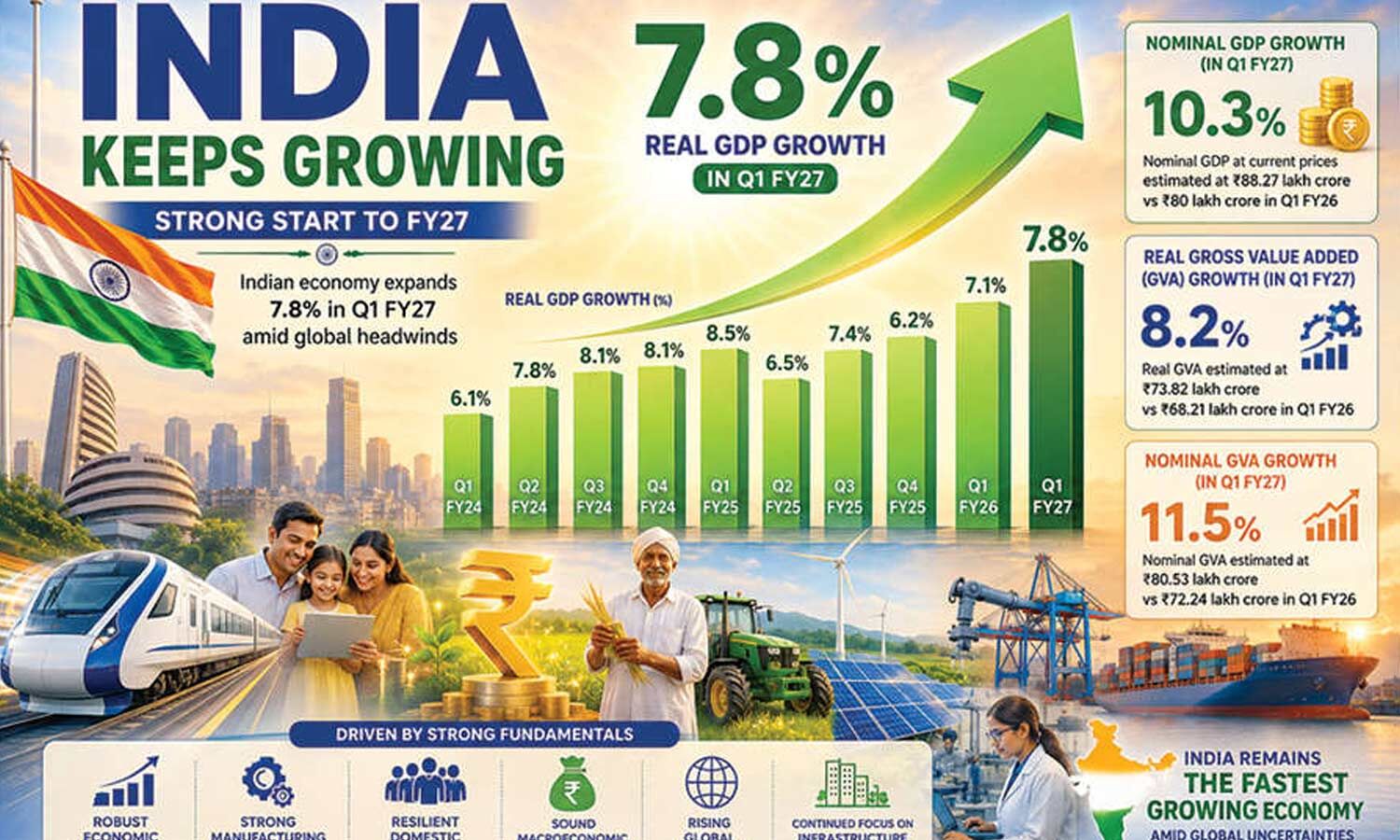
India’s GDP growth is projected at 7–8% for the June 2026 quarter despite the West Asia energy crisis.
A 125-basis-point repo-rate cut and 2025 GST reductions may have supported economic activity and consumer demand.
Retail inflation remains near the Reserve Bank of India’s 4% target, although food and non-food goods inflation averages 5.4% in July.
The current-account deficit is about 0.3% of GDP, helped by services exports and remittances offsetting a wider goods trade deficit.
HSBC warns that weak services inflation, possible post-frontloading production declines, El Niño, and slower services exports could worsen the outlook.
- Who
- India’s economy, the Reserve Bank of India, HSBC economists led by Pranjul Bhandari, the Centre for Monitoring Indian Economy, and State Bank of India researchers.
- What
- India has maintained stronger-than-expected growth, contained inflation, and a low current-account deficit despite the West Asia energy crisis, though economists identify significant risks.
- Where
- India, amid disruption linked to the US-led war in Iran and broader instability in West Asia.
- When
- The article discusses developments through July 2026, including the June 2026 quarter and measures taken during 2025–26.
- Why
- Lower interest rates, GST reductions, exports to the United States, production front-loading, services exports, and remittances have supported the economy; continuing risks include higher commodity prices, El Niño, and possible weakness in services.
Resilience Case
False-Dawn Risks
Economic growth
Resilience Case
HSBC, the Centre for Monitoring Indian Economy, and State Bank of India research indicate that India may have grown 7–8% in the June 2026 quarter despite the energy crisis.
False-Dawn Risks
HSBC cautions that production may have been front-loaded ahead of expected energy shortages, potentially producing a later lull; agricultural growth could also weaken if El Niño intensifies.
Inflation outlook
Resilience Case
Overall retail inflation remains contained and close to the Reserve Bank of India’s 4% target, even while demand has held up.
False-Dawn Risks
Food and non-food goods inflation is already averaging 5.4%, while unusually low services inflation is holding down the headline figure. A rise in services inflation could quickly lift overall inflation.
Current-account stability
Resilience Case
The current-account deficit remains low at 0.3% of GDP because services exports and remittances are offsetting the widening goods trade deficit.
False-Dawn Risks
HSBC warns that services exports have grown more slowly and that uncertainty, including the possible impact of artificial intelligence, could reduce the ability of services earnings to fund the goods deficit.
Key facts
- Projected June-quarter growth
- HSBC estimates 7–7.5% GDP growth, while State Bank of India researchers project 8% for the first three months of financial year 2026–27.
- Repo-rate reduction
- The Reserve Bank of India cut the repo rate by 125 basis points between December 2024 and December 2025.
- Inflation target
- Retail inflation remains close to the Reserve Bank of India’s 4% target, despite rising from its low in October 2025.
- July inflation pressures
- HSBC says food and non-food goods inflation averaged 5.4% year-on-year in July, while services inflation was 2.5%.
- Current-account deficit
- The headline current-account deficit is reported at 0.3% of GDP in the Reserve Bank of India’s aggregated monthly data.
- Services-sector importance
- The services sector accounts for 55% of India’s GDP and is helping contain growth, inflation, and external imbalances.
- Main external pressures
- The West Asia conflict was expected to raise crude-oil and fertiliser prices, reduce investment, weaken exports, and pressure the rupee.
Quotes
CMIE researchers
Researchers at the Centre for Monitoring Indian Economy
“The headline c/a deficit is low at 0.3% of GDP as per RBI’s aggregated monthly data, and not showing signs of excesses”
 indianexpress.com
“Low services inflation and high services exports are keeping a lid on inflation and external imbalances, respectively”
indianexpress.com
Sources
Related news
India’s growth stays strong despite oil, war and monsoon risks
India’s Q1 FY27 Growth Beats Forecast Despite Iran War Fears
No hike, no panic: RBI holds rates, raises GDP forecast
India Posts 7.8% Growth as CEA Flags External Risks
India’s Economy Stays Strong, but Risks Mount Ahead
India’s Growth Could Near 7% Despite Triple Economic Shock

Government Defends 7.8% GDP Growth as Congress Raises Doubts
BRICS Expansion Puts Membership and Reform at New Delhi Summit

Piyush Goyal Defends India’s 7.8% GDP Growth Amid Criticism

Mahua Moitra Questions India’s 7.8% GDP Growth Figures
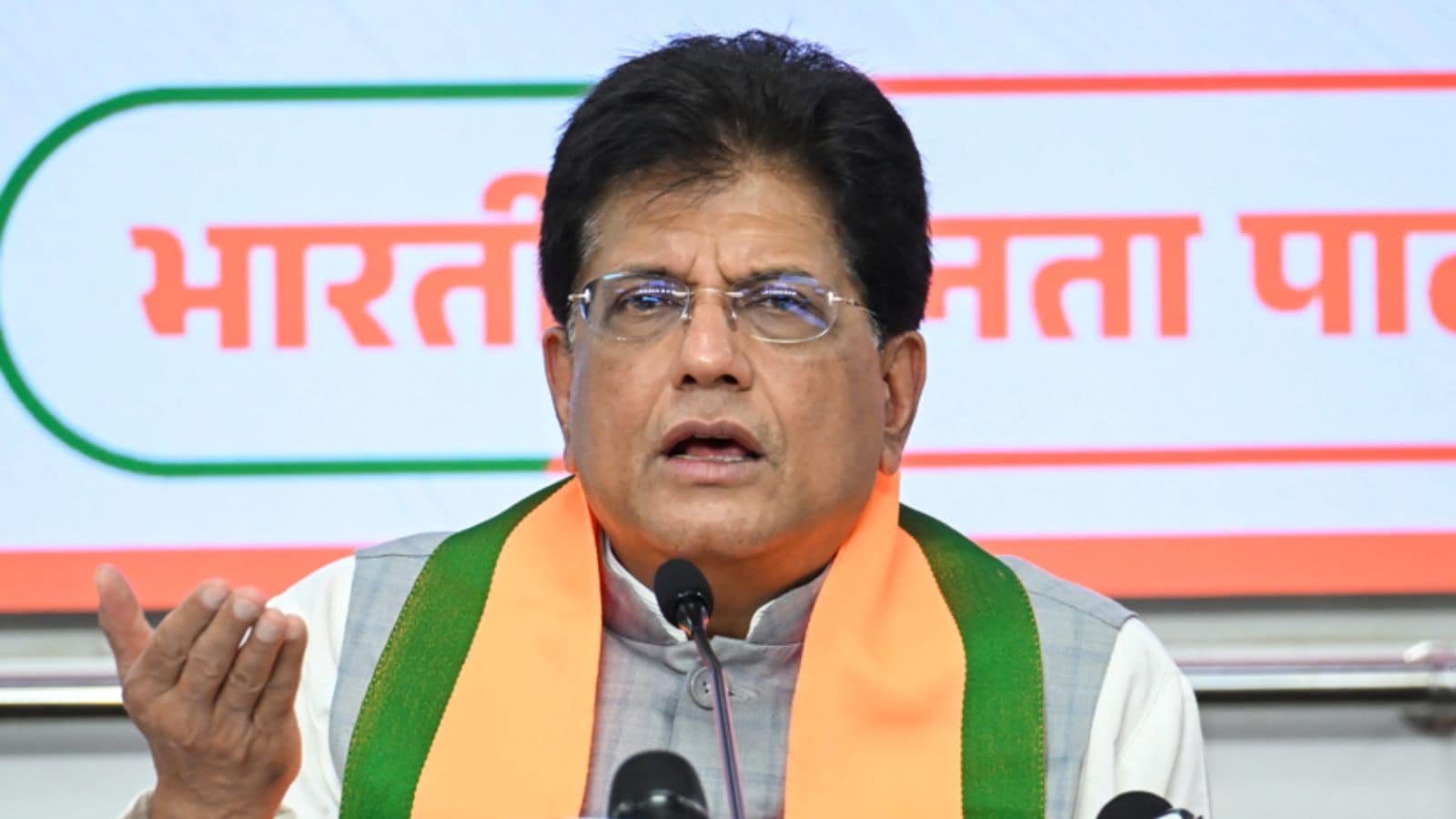
Goyal Defends India’s 7.8% GDP Growth Amid Data Debate
