

1 hr ago
Geopolitical Risks Keep Crude Oil Futures Volatile

Oil prices may move up and down a lot next week.
That is because people are unsure whether the United States and Iran will reach an agreement.
Fighting and shipping problems in West Asia could make it harder to move oil.
A deal to reopen the Strait of Hormuz might help oil shipments and bring prices down.
But if tensions get worse, prices could rise.
Storm-related shutdowns in the Gulf of Mexico also supported some US oil prices.
Traders will watch reports and data about oil supplies.
Analysts say it is not yet clear when supplies from the Gulf region will recover substantially.

Analysts expect crude oil futures to remain volatile as US-Iran diplomacy and tensions in West Asia shape supply concerns.
A possible agreement to reopen the Strait of Hormuz could ease prices, while renewed tensions could raise them.
MCX October crude futures fell 0.4% last week to ₹8,881 per barrel; November futures rose nearly 1% to ₹8,828.
Brent December futures rose 2.41% to $104.72 per barrel, while WTI settled 1% higher at $91.85.
Analysts said traders will watch OPEC and IEA reports and US oil inventory data; hurricane-related Gulf of Mexico shutdowns also supported WTI.
- Who
- Oil traders and analysts, including Navneet Damani of Motilal Oswal Financial Services and Ajit Mishra of Religare Broking.
- What
- Crude oil futures are expected to remain volatile amid geopolitical risks, supply concerns and possible diplomatic progress.
- Where
- Global oil markets, with risks focused on West Asia, the Strait of Hormuz and the Gulf of Mexico.
- When
- The outlook is for next week; the report was published October 11, 2026.
- Why
- Uncertainty over US-Iran negotiations, regional tensions, shipping disruptions and changes in oil supply are affecting market expectations.
Factors that could ease prices
Factors that could keep prices elevated
US-Iran diplomacy and Hormuz
Factors that could ease prices
Progress on a framework to reopen the Strait of Hormuz could ease energy prices and allow a near-term correction.
Factors that could keep prices elevated
The outcome of negotiations remains uncertain, and the strait is described as severely constrained; diplomatic progress alone may not restore supplies.
Supply and shipping conditions
Factors that could ease prices
The temporary US Treasury licence for Russia to release 22.5 million barrels of diesel could add supply to global markets.
Factors that could keep prices elevated
Regional tensions and attacks on 11 tankers in the Strait of Hormuz were reported to have driven freight rates to record highs and caused shipping bottlenecks.
Production disruptions
Factors that could ease prices
WTI's support from hurricane-related shutdowns in the US Gulf of Mexico could fade as production resumes.
Factors that could keep prices elevated
Analysts said global supply expectations were being revised lower and a meaningful recovery in Gulf supplies was uncertain before 2027.
Key facts
- Publication date
- October 11, 2026
- MCX October contract
- Closed at ₹8,881 per barrel after falling ₹35, or 0.4%, last week.
- MCX November contract
- Closed at ₹8,828 per barrel after gaining ₹82, or nearly 1%, last week.
- Brent December futures
- Rose $2.47, or 2.41%, to $104.72 per barrel.
- WTI futures
- Settled 1% higher at $91.85 per barrel in New York.
- Market indicators to watch
- OPEC and IEA monthly oil market reports, API weekly inventory figures, and US government crude inventory and import data.
- Russia diesel licence
- The US Treasury issued a temporary licence allowing Russia to release 22.5 million barrels of diesel into global markets.
Quotes
Navneet Damani
Head of Research - Commodities at Motilal Oswal Financial Services Ltd.
“Globally, developments around US-Iran diplomacy and crude oil prices will remain critical. Any progress on a framework for reopening the Strait of Hormuz could ease energy prices and provide some relief to India’s import bill and the rupee, while renewed geopolitical tensions could keep volatility elevated.”
 thehindubusinessline.com
“The widening conflict has heightened concerns over energy shipments through the region, including the strategic Bab el-Mandeb Strait.”
thehindubusinessline.com
Sources
Related news

Oil Prices Fall as Trump Signals Iran Diplomacy Progress

Oil Prices Fall as US-Iran Talks Raise Hormuz Reopening Hopes

Oil Rises as Trump Rejects Iran’s Hormuz Proposal

Oil Falls as Hormuz Flows and US-Iran Diplomacy Ease Fears

Oil prices jump as US-Iran truce talks cloud supply outlook

Oil Prices Rise Slightly as Trump Rejects Iran Proposal
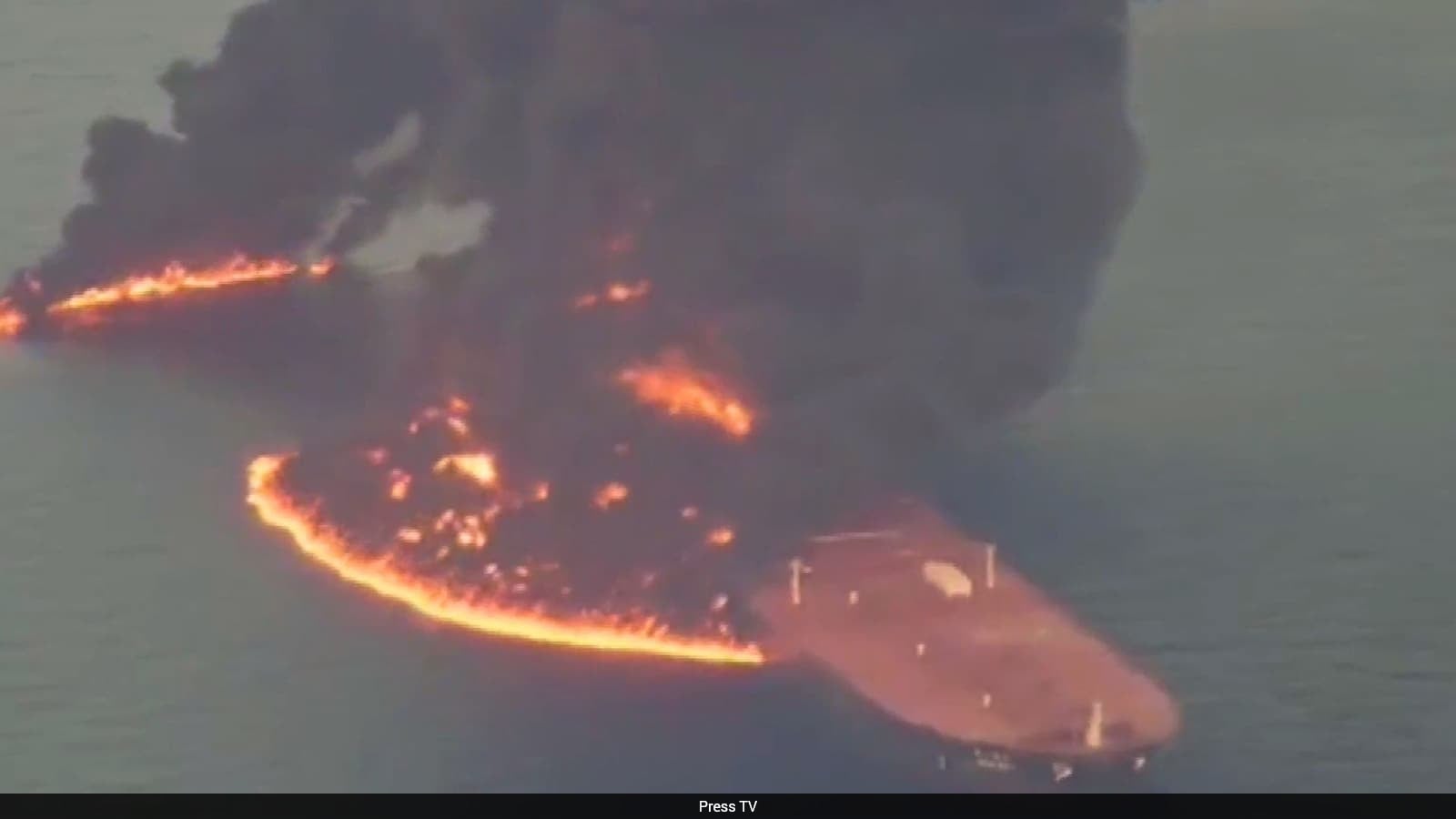
Iran Says Supertanker Hit Hormuz Mines, Warns Unauthorized Ships

U.S. Says It Disabled Cargo Ship Attempting Iran Blockade

Khanna and Damani Increase Bets on Oil-Linked Stocks
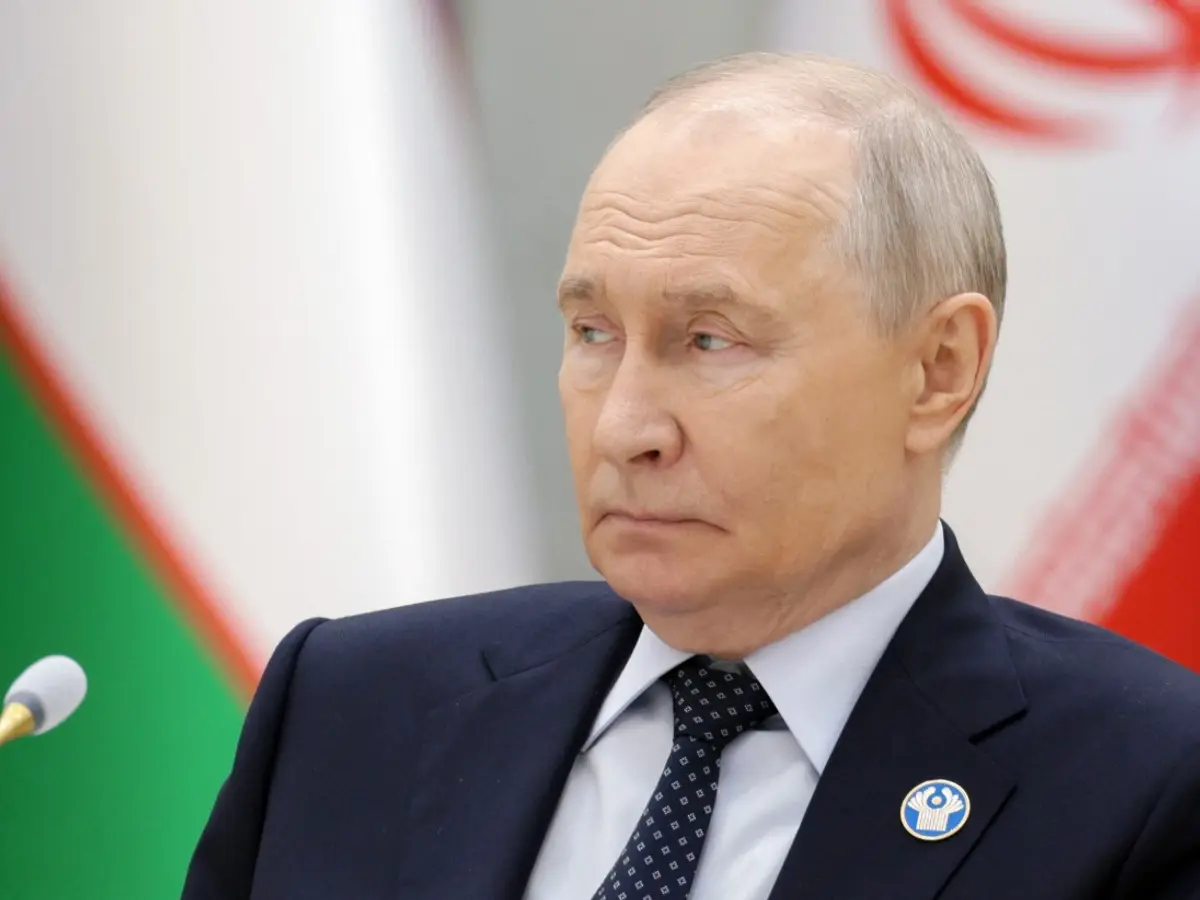
Putin Relays Iran Proposal to Trump, Renews Uranium Transfer Offer
