

3 weeks ago
Shipki La trade faces fresh roadblock over IGST levy

India and China are two big neighbors who share a long mountain border.
In one small mountain pass called Shipki La, people from nearby villages trade with each other.
This kind of trade is very old and works by swapping goods instead of paying money — it is called barter.
For six years, this trade was stopped because of the COVID-19 pandemic.
This month, it started again, and some traders crossed the border to swap goods.
But when they came back, tax officers asked them to pay a tax called IGST on the things they brought home.
The traders say this tax is meant for buying and selling with money, not for swapping goods with neighbors.
They think paying this tax is unfair, so they refused to take their goods home, and the trade has stopped again.
The traders have asked India's Prime Minister to fix the problem and let them trade without this tax.

Border trade through Shipki La pass resumed this month after a six-year suspension following the COVID-19 pandemic.
Traders have suspended participation in the trade over the IGST levy on goods imported from China.
The Indo-China Border Trade Union submitted a memorandum to Prime Minister Narendra Modi seeking his intervention.
The first batch of 16 registered traders returned on Monday after trading around Rs 2.10 lakh but refused to take their imported products from the Chupan Trading Centre.
Traders argue the barter system is non-commercial and non-monetary and have urged the government to exempt Shipki La imports from IGST.
- Who
- Registered traders from notified border villages in Kinnaur, the Indo-China Border Trade Union led by Hishey Negi, customs officials, and Deputy Commissioner Amit Kumar Sharma.
- What
- Border trade through Shipki La resumed after six years, but traders suspended participation over the IGST levy imposed on goods imported from China.
- Where
- Shipki La pass and the Chupan Trading Centre in Kinnaur district, Himachal Pradesh, on the India-China border.
- When
- Earlier this month (September), following a flag-off ceremony on September 1; traders returned on Monday and the union submitted its memorandum on Thursday.
- Why
- Traders say IGST is incompatible with the traditional non-monetary barter system and have urged the Union Government to exempt these goods from the tax.
Traders & Border Trade Union
Customs Officials
IGST on barter goods
Traders & Border Trade Union
IGST is designed for commercial monetary transactions; applying it to the traditional, non-monetary barter exchange is artificial and imposes an unjustified burden, since goods are for personal and household consumption, not open-market sale.
Customs Officials
Customs officials calculated IGST on the imported products at the Chupan Trading Centre, treating the goods brought from China as taxable.
Key facts
- Trade Route
- Shipki La pass, Kinnaur district, Himachal Pradesh
- Status
- Suspended by traders over IGST levy on Chinese imports
- Previous Suspension
- Six years, following the COVID-19 pandemic
- Traders in First Batch
- 16 registered traders
- Trade Value
- Around Rs 2.10 lakh
- Flag-off
- By tribal minister Jagat Singh Negi on September 1
- Key Demand
- Exemption of Shipki La imports from IGST
- Union President
- Hishey Negi, Indo-China Border Trade Union
Quotes
Amit Kumar Sharma
Deputy Commissioner of Kinnaur
“The traders on the Indian side, from the nearby tribal villages, submitted that they would not charge IGST till 2019, and this time, customs officials slapped the IGST on the products.”
 indianexpress.com
“The one-sided trade has been suspended due to the IGST issue. The barter trade is a traditional system and not a commercial import-export transaction involving monetary payment.”
indianexpress.com
Sources
Related news

Shipki La barter trade resumes; raw pashm priced out
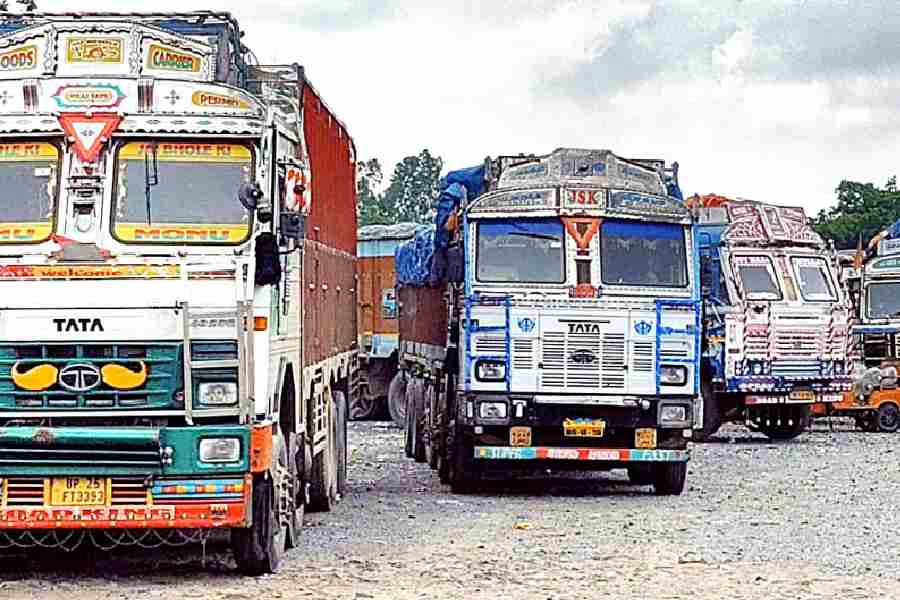
Hili Border Trade Halt Deepens Overloaded Truck Dispute

US Report Accuses India of Transshipping Chinese Goods
US Accuses India, 40+ Nations in China Tariff Evasion Network

Assam's Samrang Customs Station Opens, Boosting India-Bhutan Trade

India-Nepal tea trade disparity flagged, MPs seek reciprocity

GDP Row Escalates as Government Rebuts 2.6% Growth Claim
India’s Avocado Boom Turns Luxury Fruit into Farmer Opportunity
Putin Faces Western Isolation While Russia Builds Non-Western Ties
India’s Global Power Ambitions Face Economic and Democratic Setbacks
Modi’s Frugality Appeal Contrasts With Extensive Foreign Travel
