19 hrs ago
Rebecca F. Kuang’s Taipei Story Explores Language and Identity

The article discusses a book called Taipei Story by Rebecca F. Kuang.
It says the book is both loving and sad about Mandarin Chinese.
The story also explores Taiwan’s history and political situation.
Taiwan has a complicated past involving Mainland China.
The article describes Taiwan as an independent democracy.
It says some older Taiwanese people learned Japanese as their first written language.
Some of them still found Japanese easier to read than Mandarin.
Kuang also writes that people remembered Japanese rule as more peaceful than later Nationalist rule.
The passage shows how history can shape everyday life.

The article describes Taipei Story as a bittersweet love letter to Mandarin Chinese.
Taiwan’s political history and status are important themes in the book.
The island’s identities are portrayed as fluid amid a fraught history with Mainland China.
The article describes Taiwan as operating as an independent, democratic nation.
Kuang writes that some older Taiwanese people found Japanese easier to read than Mandarin.
- Who
- Rebecca F. Kuang and the people whose histories and identities are discussed in Taipei Story.
- What
- A discussion of the book’s treatment of Mandarin Chinese, Taiwan’s history, and identity.
- Where
- Taiwan.
- When
- The article references Japanese occupation of Taiwan from 1895 to 1945.
- Why
- The book explores how Taiwan’s political history and past experiences shape culture and identity.
Key facts
- Book
- Taipei Story
- Author
- Rebecca F. Kuang
- Language theme
- Mandarin Chinese
- Historical period cited
- Japanese occupation of Taiwan, 1895–1945
- Political themes
- Taiwan’s history and status, identity, and its relationship with Mainland China
Quotes

Rebecca F. Kuang
Author of the book discussed in the article
“Many older Taiwanese people had learned Japanese as their first written language and still found it easier to read Japanese than Mandarin. Compared to the chaos and brutal repression of martial rule under the Nationalists, they remembered the era of Japanese occupation as one of relative peace, prosperity, law and order.”
 livemint.com
Sources
Related news

Rebecca F Kuang’s Taipei Story Explores Language and Belonging
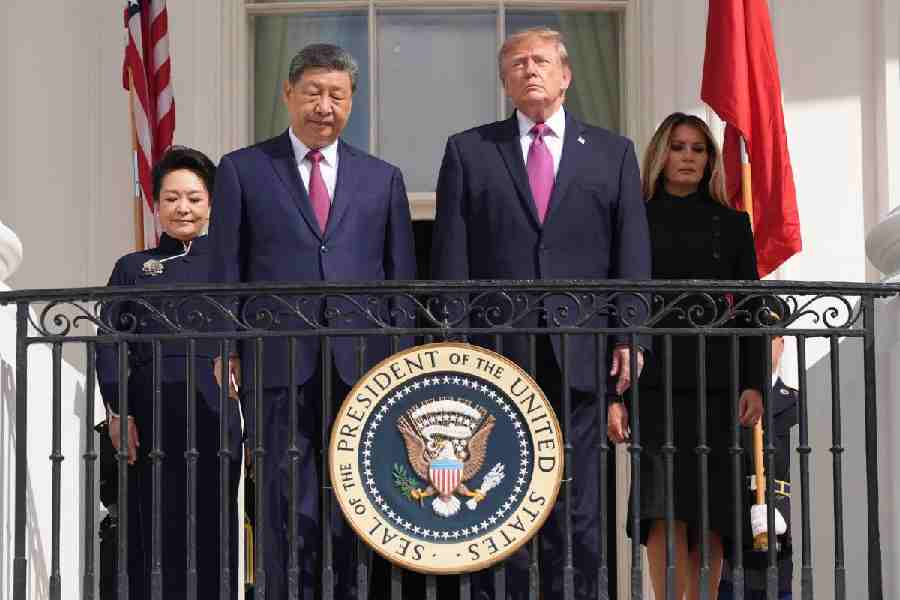
Taiwan Challenges Beijing’s World War Two Narrative After Xi-Trump Summit
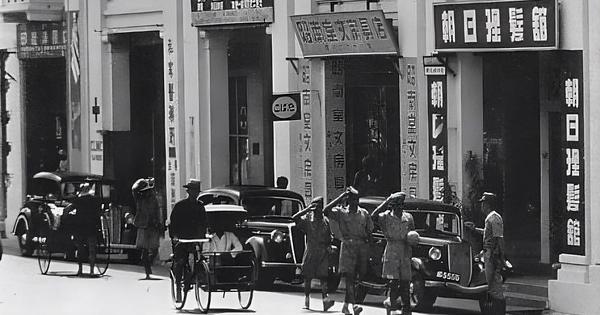
How We Disappeared Remembers Singapore’s Comfort Women

Why Taiwan Remains a Crucial and Sensitive Issue for China

Taiwan Alarmed as Russia Screens Soviet Film in Taipei

R. F. Kuang Quotes Explore Beauty Found in Contradiction

Mumbai Choreographer Selected for Taiwan’s International Young Choreographer Project
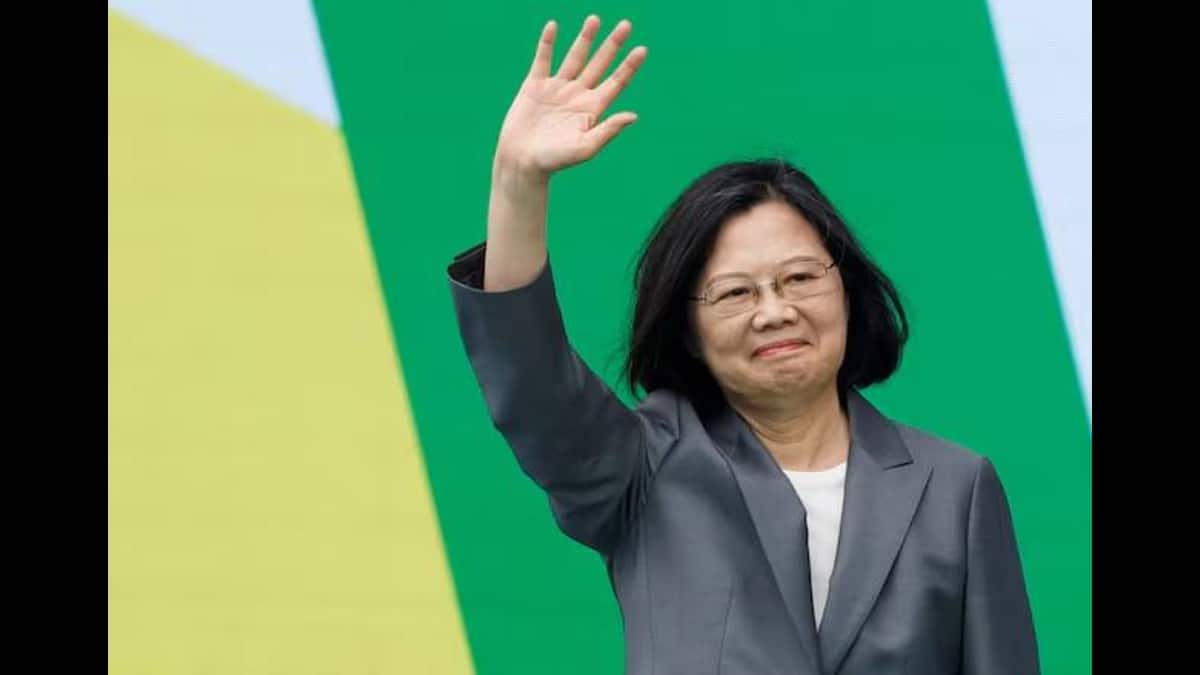
Former Taiwan President Tsai Ing-wen to Visit US Conference
Trump-Xi Summit Eases Trade Tensions but Leaves Core Disputes Unresolved

Lin Yu-ting Wins Asian Games Gold After Eligibility Dispute