

1 hr ago
Trump-Xi Summit Eases Trade Tensions but Leaves Core Disputes Unresolved
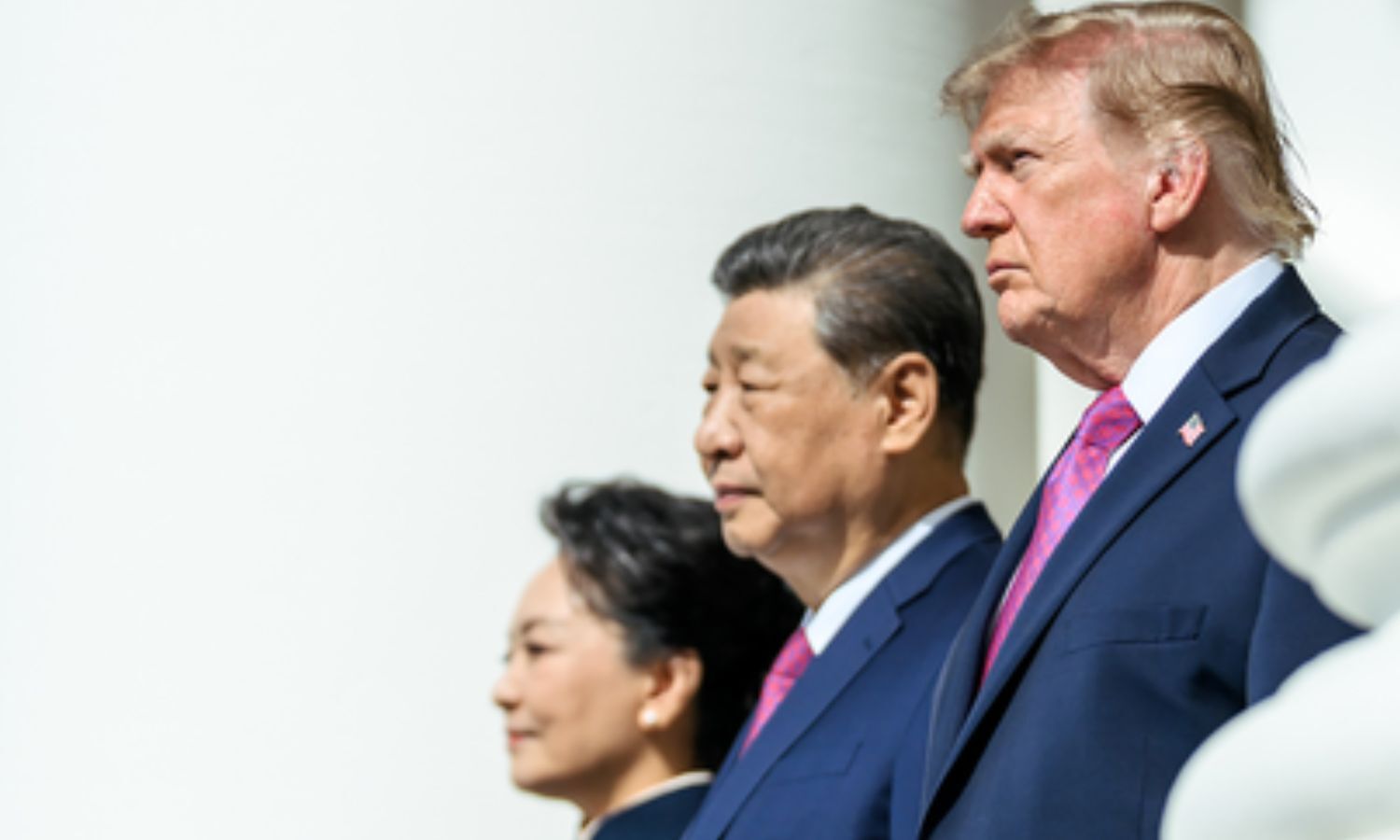
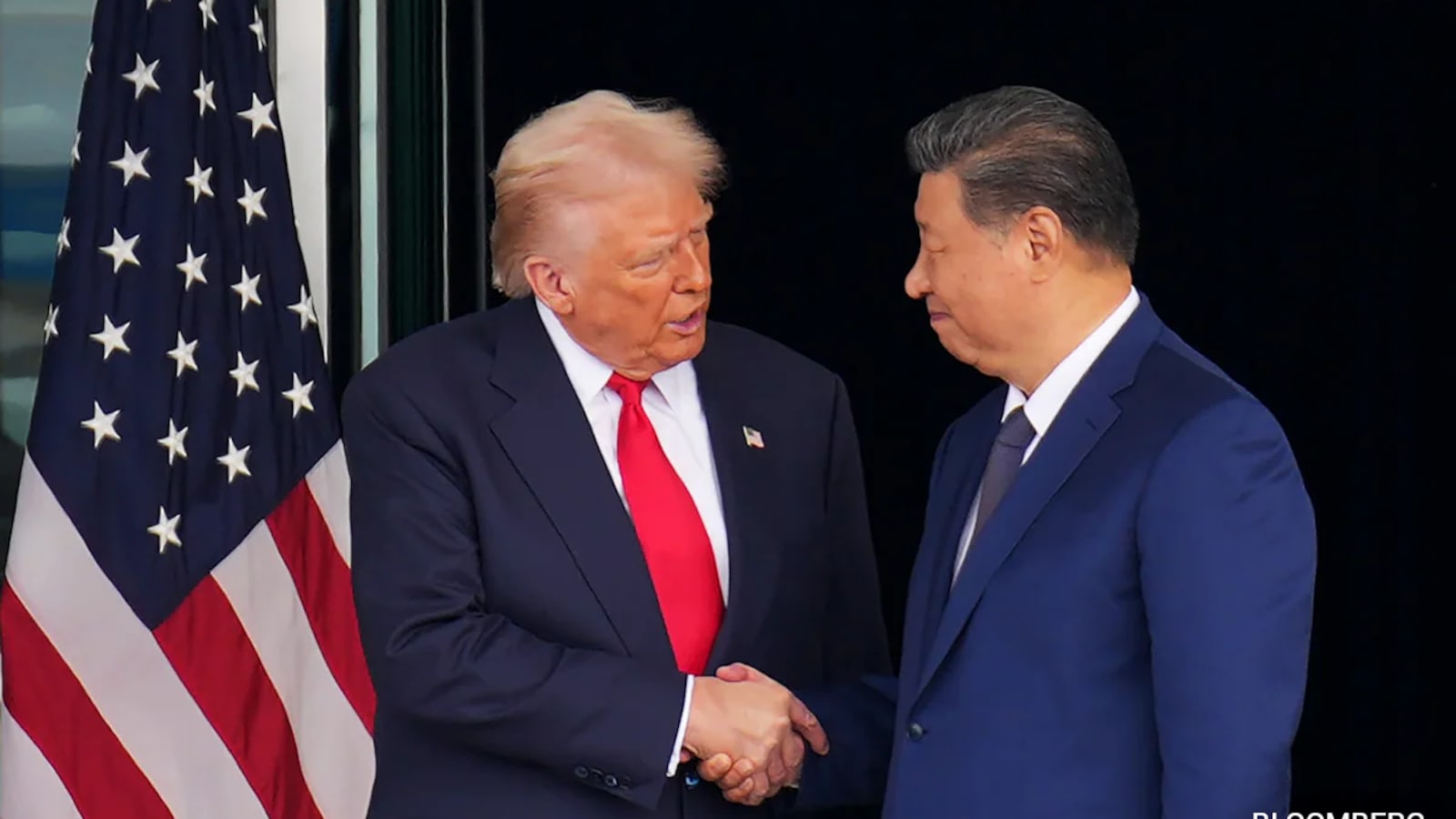
Donald Trump and Xi Jinping met to discuss problems between the United States and China.
They agreed to keep a trade truce going for longer.
This gives both countries more time to negotiate.
However, the meeting did not solve many deeper disagreements.
These include questions about trade, investment, rare-earth minerals, Taiwan, and maritime security.
China controls much of the processing of rare earths, which are important for many products.
Other countries worry that depending too much on one supplier could be risky.
So Japan, India, South Korea, and Australia are looking for other sources.

The United States and China extended their existing trade truce after a summit in Washington, D.C.
The agreement provided more time for negotiations but showed little evidence of a broader political settlement.
Disputes over maritime security, Taiwan, rare earths, investment, and trade commitments remain unresolved.
China has not met its reported targets for American agricultural purchases or Boeing aircraft orders.
Japan, India, South Korea, and Australia are diversifying supply chains to reduce dependence on China.
- Who
- United States President Donald Trump and Chinese President Xi Jinping.
- What
- They extended an existing trade truce but did not resolve major disputes in United States-China relations.
- Where
- Washington, D.C.
- When
- At the summit; the articles do not provide a specific date.
- Why
- To manage bilateral trade and broader relations while allowing more time for negotiations.
Key facts
- Trade truce
- The United States and China extended their existing trade truce.
- Political settlement
- The summit provided little indication of a broader political settlement.
- Agricultural purchases
- China’s purchases of American agricultural products reportedly remained below the $30 billion target.
- Boeing commitment
- China’s commitment to purchase 200 Boeing aircraft remained unrealized.
- Rare earths
- China’s dominant rare-earth processing position gives it leverage over critical-mineral supply chains.
- Investment board
- Progress on a proposed bilateral Board of Investment has been slow.
- Supply-chain response
- Japan, India, South Korea, and Australia have pursued forms of supply-chain diversification.
Quotes
Japan Forward article
An analysis published by the Japan Forward news website
“For countries such as Japan, India, South Korea and Australia, the lesson has already been absorbed. Each has pursued some form of supply-chain diversification because excessive dependence on a single supplier creates vulnerabilities during periods of geopolitical tension. A US-China agreement on rare earths may reduce immediate uncertainty, but it is unlikely to eliminate the incentive for these countries to develop alternatives.”
 thehansindia.com
“The current US-China relationship is best described as a period of controlled instability rather than a genuine rapprochement. The two governments have prevented their trade dispute from returning to its most damaging phase.”
thehansindia.com
Sources
Related news
Trump-Xi Summit Eases Tensions but Sharpens Global Rivalry
Trump-Xi Summit Extends Trade Truce Amid Persistent Rivalry
Trump-Xi Meeting Tests Fragile US-China Trade and Technology Truce

Trump-Xi Summit Faces Trade, Taiwan, Iran and AI Challenges
Trump-Xi Summit Shows Pageantry, Few Gains Amid Persistent Tensions
Trump-Xi Summit Emphasizes Pageantry Amid U.S.-China AI Feud

Why Mahatma Gandhi Never Won the Nobel Peace Prize

Ancelotti Says Brazil Has Full Respect for India Ahead

Adani Ports Cargo Volume Rises 15% in H1 FY27

India Plans Six ODIs Against South Africa Before World Cup
