

58 mins ago
How We Disappeared Remembers Singapore’s Comfort Women
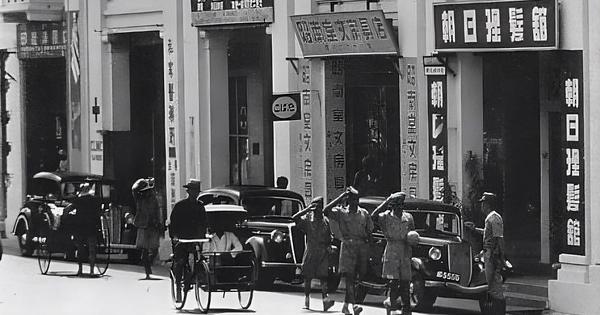
Jing-Jing Lee wrote a novel about a young girl named Wang Di during Japan’s occupation of Singapore.
Wang Di is taken from her home and forced to serve soldiers in a brothel.
The women there are called “comfort women,” but this name hides the fact that they were sex slaves.
They suffer hunger, sickness, violence, and terrible working conditions.
Wang Di finds some comfort by caring for other women who are trapped with her.
After the war, she is treated as a stranger by her family and community.
Another character, Kevin, later investigates a mystery about his grandmother.
The book helps readers remember women whose experiences were often ignored.
It also draws attention to continuing disagreements over Japan’s responsibility for these abuses.

Jing-Jing Lee’s 2019 novel examines Japan’s occupation of Singapore during World War II.
The novel follows Wang Di, a young Singaporean abducted and forced into sexual slavery at a military brothel.
Wang Di and other women endure violence, illness, hunger, forced name changes, and constant abuse.
After the war, survivors face family rejection and social ostracisation rather than recognition or support.
A parallel story follows 12-year-old Kevin as he investigates a family mystery linked to Wang Di.
- Who
- Jing-Jing Lee, Wang Di, the women forced into military brothels, and Kevin, a boy investigating his family history.
- What
- A review of How We Disappeared, a novel about the suffering of comfort women during Japan’s occupation of Singapore and their treatment after the war.
- Where
- Singapore, renamed Shonan-to during the Japanese occupation, with references to other affected parts of Asia.
- When
- The occupation began in February 1942; the novel was published in 2019.
- Why
- The novel seeks to remember and honour survivors whose experiences were suppressed, ignored, or socially stigmatised.
Survivors’ recognition and accountability
Japanese government denial
Responsibility for military brothels
Survivors’ recognition and accountability
The article presents the women as victims of forced sexual slavery and says their experiences deserve acknowledgement and justice.
Japanese government denial
The article says the Japanese government has denied running state-sponsored rape camps.
How the women’s stories are remembered
Survivors’ recognition and accountability
The novel argues that the women did not simply disappear but were systematically ignored and deceived, making remembrance important.
Japanese government denial
The article describes survivors’ stories as having remained largely unspoken, partly because women feared ostracisation and rejection.
Key facts
- Book
- How We Disappeared
- Author
- Jing-Jing Lee
- Publisher
- Oneworld
- Publication year
- 2019
- Occupation of Singapore
- Began in February 1942
- Occupation-era name
- Shonan-to, meaning “Light of the South Island”
- Massacre deaths cited
- About 55,000 ethnic Chinese in Singapore and Malaya
- Central character
- Wang Di, a young girl abducted and forced into a military brothel
Quotes
Unidentified narrator or character in Jing-Jing Lee’s novel
A voice from the quoted passage in Lee’s historical novel; the article does not identify the speaker.
“I arrived home, or where it used to be, and all that was left was a wreckage.”
 scroll.in
Sources
Related news

Kim Hak-sun: First Comfort Woman Survivor Remembered on Memorial Day
Tahmima Anam’s Uprising Exposes Cruelty in Bangladesh’s Floating Brothel

Indian envoy leads 80th Independence Day celebration in Singapore

Ha Young Faces Backlash Over Great-Grandfather's Pro-Japanese Colonial Era Ties

New Book 'Colombo Port of Call' Highlights Sri Lanka's Travellers

Remembering Champabai, the invisible domestic helper who raised family

Global Cues, FII Flows and Oil to Drive Stocks
Foreign Investors Sell ₹8,731 Crore in Indian Equities

Asian Cues, Crude Prices Shape Sensex, Nifty Outlook Monday

Uttar Pradesh Invites Taiwanese Firms for Semiconductor Investments
