1 hr ago
WHO Recommends Low-Dose Mifepristone as Emergency Contraception Option
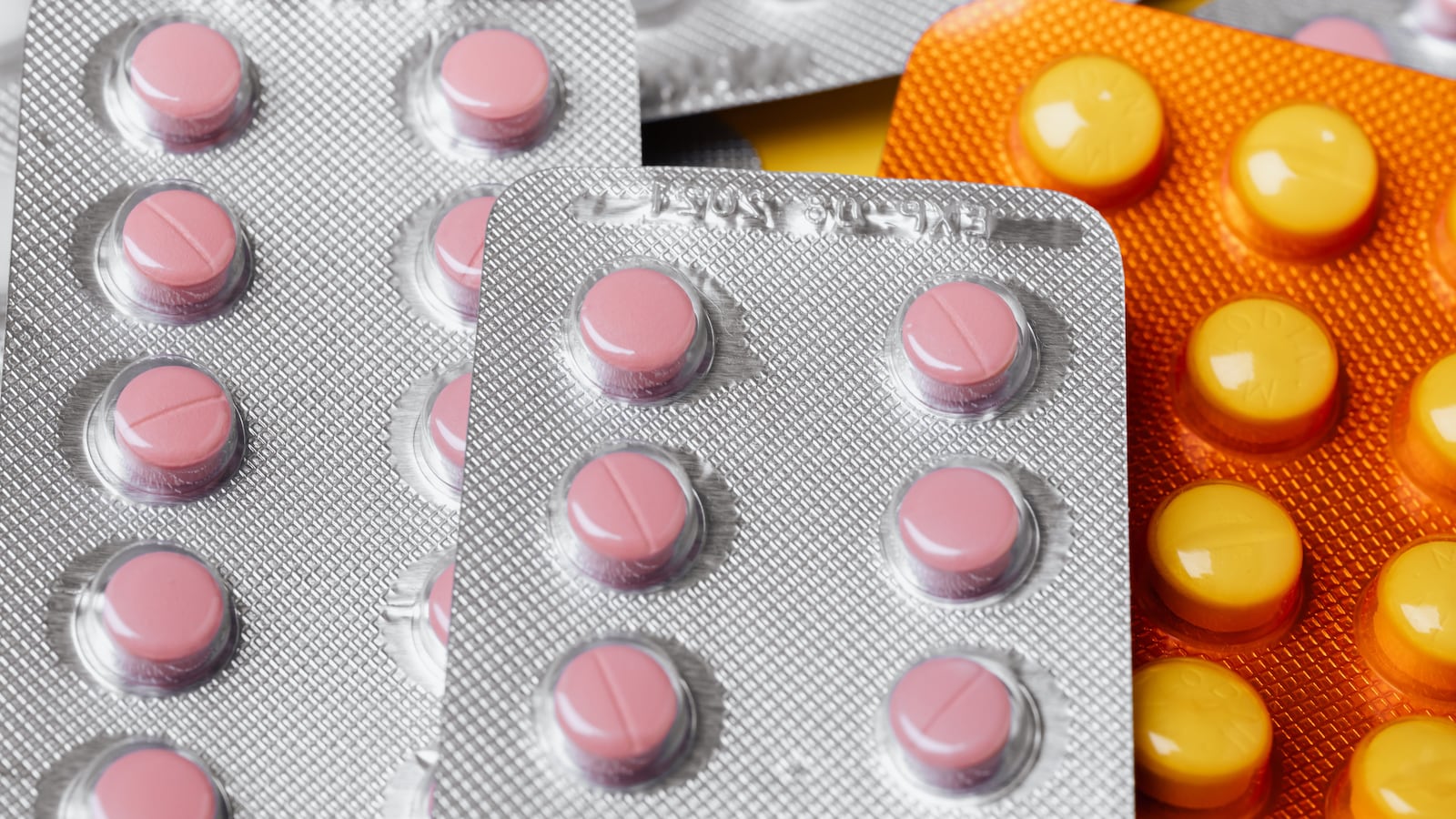
The World Health Organization has added mifepristone to its recommended emergency contraception options.
Emergency contraception is used after unprotected sex to help prevent pregnancy.
WHO says mifepristone should be taken as soon as possible and within five days.
The recommended low dose is between 10 and 50 milligrams.
Research reviewed by Cochrane found that these doses worked well and caused fewer side effects than some other options.
Mifepristone works differently from common pills containing levonorgestrel or ulipristal acetate.
It is also used with misoprostol for medical abortion during early pregnancy in medical settings.
A doctor says people should check local rules and speak with a healthcare professional before using it.

WHO has recommended low-dose mifepristone as a safe and effective emergency contraception option.
The pill should be taken as soon as possible and within 120 hours of unprotected sex.
WHO recommends a low dose ranging from 10 mg to 50 mg.
A Cochrane Review of 87 trials found mifepristone prevented more pregnancies with fewer side effects than some common alternatives.
A doctor advised considering country-specific approvals and consulting a medical professional before use.
- Who
- The World Health Organization made the recommendation; Dr. Mannan Gupta provided clinical context.
- What
- WHO recommended low-dose mifepristone as a safe and effective emergency contraception option.
- Where
- The guidance applies internationally, while availability and approved uses may differ by country.
- When
- The recommendation was reported alongside a Cochrane Review published on September 21, 2026; the pill should be taken within 120 hours of unprotected sex.
- Why
- WHO said the recommendation supports expanded contraceptive access and provides people with more safe and effective choices.
WHO Recommendation
Clinical Caution
Safety and availability
WHO Recommendation
WHO describes low-dose mifepristone as safe and effective for emergency contraception and recommends expanding contraceptive options.
Clinical Caution
Dr. Mannan Gupta said approved uses, availability and recommended regimens differ by country, and advised consulting a doctor before use.
Key facts
- Recommended dose
- 10 mg to 50 mg
- Time limit
- As soon as possible and within five days, or 120 hours, after unprotected sex
- Evidence base
- A Cochrane Review analyzed 87 trials
- Reported effectiveness
- Low-to-medium doses prevented more pregnancies than other common options in the review
- Reported side effects
- The review found fewer side effects than with some common alternatives
- Other emergency options
- Levonorgestrel, ulipristal acetate and, in some situations, a copper IUD
- Clinical caution
- A doctor advised considering local approvals and consulting a healthcare professional
Quotes
Dr. Mannan Gupta
Chairman and Head of Obstetrics and Gynaecology at Elantis Healthcare, New Delhi
“Emergency contraceptive pills should be administered whenever the individual has had unprotected sex with the aim of achieving the maximum effectiveness of the drugs. Levonorgestrel should ideally be administered within 72 hours after unprotected sex, while ulipristal acetate can be given within 120 hours. In certain situations, a copper IUD can also be put in place within 5 days after unprotected intercourse.”
 NDTV
NDTV
Sources
Related news

India’s Abortion Law Anniversary Highlights Gaps in Real Choice

Study Favors Dog Vaccination Over Childhood Rabies Shots
WHO Opens Pathway For Twelve Childhood Cancer Medicines

J&K High Court Allows Abortion Beyond 24-Week Limit
Government Launches Medicine-Safety Tools and Biovigilance Programme in India